Imagine walking into a store where the staff genuinely cares about your needs. They ask thoughtful questions and recommend solutions that truly fit your life. That warm, trusting feeling? That’s value-driven marketing.
That feeling doesn’t have to stop in-store. The best brands know how to replicate it online. Businesses that center their marketing around their brand values build deeper connections and stand out in a noisy world.
In this blog, Tyler Phillips, Marketing Manager, will explore how this value-driven marketing approach can make every transaction more meaningful.
What You’ll Learn:
- What Is Value-Driven Marketing?
- Why Value-Driven Marketing Matters Today
- The Core Types of Value-Driven Marketing
- Core Principles of Value-Driven Marketing
- How Brands Bring Value-Driven Marketing to Life
- Examples of Common Brand Values
- The Business Impact of Leading With Value
- Getting Started with Value-Driven Marketing
- How Rallio Supports Value-Driven Marketing
- FAQs
An Expert Opinion on Value-Driven Marketing
What makes customers stick with brands like glue? It’s not flashy ads or discounts. It’s when companies live their brand values, like honesty, innovation, or community support.
It’s value-driven marketing, and it’s like making a promise and keeping it every single day. For example, a brand that shares real customer stories instead of polished ads builds trust. Or one that donates profits to causes customers care about. It’s good for the community and for the business. People reward brands that act with purpose.
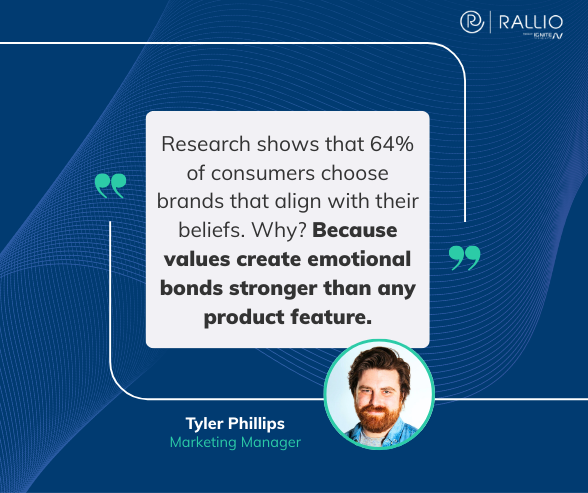
Research shows that 64% of consumers choose brands that align with their beliefs. Why? Because values create emotional bonds stronger than any product feature.
Think of Patagonia. Their commitment to the environment doesn’t stop at their tagline. It’s in every recycled jacket and climate campaign. That’s why fans proudly wear their logo. When brands walk their talk, customers become their loudest cheerleaders.
What Is Value-Driven Marketing?
Value-driven marketing means putting your audience’s needs first. It’s about businesses living out their brand values and showing how their products or services can help fulfill that need or address that void, not just making broken promises.
When traditional ads scream, “Look at us!” value-driven marketing whispers, “We see you.”
A well-designed value-based marketing strategy understands that transactions end at checkout, but relationships keep growing. They focus on growing those relationships for long-term gain over quick, singular wins.
It’s different from product-first or promotion-first marketing. For example, a product-first marketing approach for a household appliance company might say, “Our blender has 10 speeds!”
On the other hand, value-driven marketing reframes the same blender in a concrete way that aligns with consumers’ and the brand’s values. Instead of focusing on the blender, the messaging would look more like: “Spend less time prepping meals and more time with family.”
Why Value-Driven Marketing Matters Today
Gone are the days when good products alone won customers. Now, 86% of buyers want authenticity. They’ll research your brand’s ethics, sustainability, and employee treatment. If your actions clash with your words, they’ll walk away.
That’s why leading with your brand values is so important in your messaging. Value alignment will cut through the clutter, which is essential in a noisy, overly crowded marketplace.
Let’s look at an example of how to include your values in marketing copy. Imagine two coffee shops:
- Shop A: “Best espresso in town!”
- Shop B: “Fair-trade beans that support farmer families.”
Shop B stands out because it connects to bigger ideals. In crowded markets, shared values are your secret weapon. You’re going to buy the coffee anyway, so why not support farmer families while you do it?
The Core Types of Value-Driven Marketing
There isn’t just one way to include your brand values in your marketing. In fact, there are four core types of value-driven marketing:
Functional Value
Functional value solves real problems to make life easier, faster, or more efficient. It focuses on practical benefits that help customers in their daily lives.
Some examples include robot vacuums that focus on how many hours of manual cleaning time they can save, or meal kits that highlight how they make eating healthy easier.

Focusing on the functional value means being very specific about how your product or service benefits your ideal customer. When they clearly see the benefits, they feel understood and supported, and are more likely to become paying customers.
Emotional Value
Emotional value builds trust, confidence, or a sense of belonging. It creates connections that go beyond the product itself. Brands can achieve this through storytelling, empathetic messaging, or community-building.
Examples include Dove’s “Keep Her Confident” campaign, which celebrates diverse body types, and Chewy’s practice of sending sympathy cards after a pet’s death, which demonstrates care beyond transactions.

This value turns buyers into loyal advocates by associating the brand with positive feelings such as joy, comfort, and pride. It answers the question: “How does this make me feel?”
Economic Value
Economic value saves customers time, money, and resources while building confidence in their choices. Customers appreciate brands that respect their finances and simplify their decisions. When you focus on how your product provides economic value, it demonstrates that it is a wise investment, not an expense.
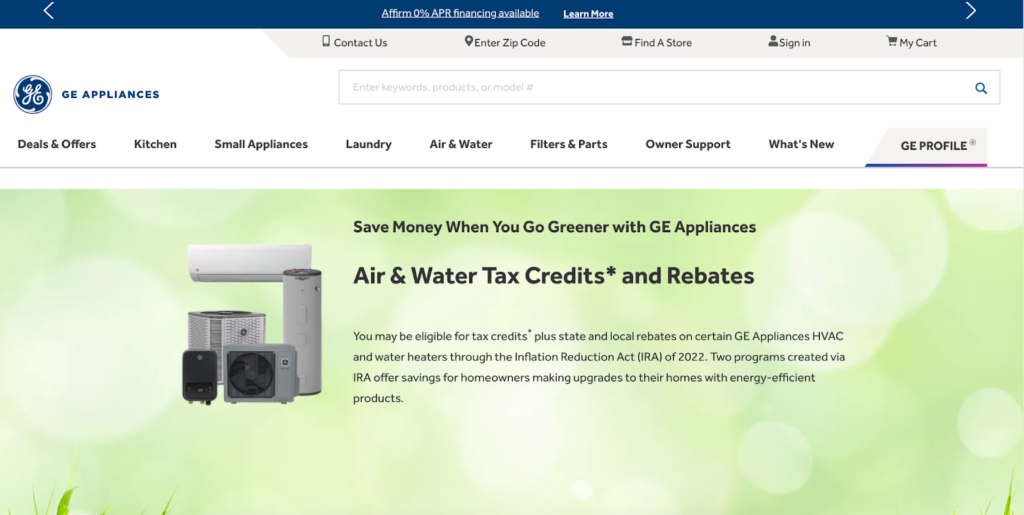
Examples include an appliance company highlighting its product’s energy efficiency or a store like Costco showing how its bulk savings help families budget wisely.
Social Value
Social value reflects shared beliefs or causes, helping customers feel part of something bigger. It aligns purchases with personal values such as sustainability and justice. When brands share their social values, they attract customers who want their spending to drive change.
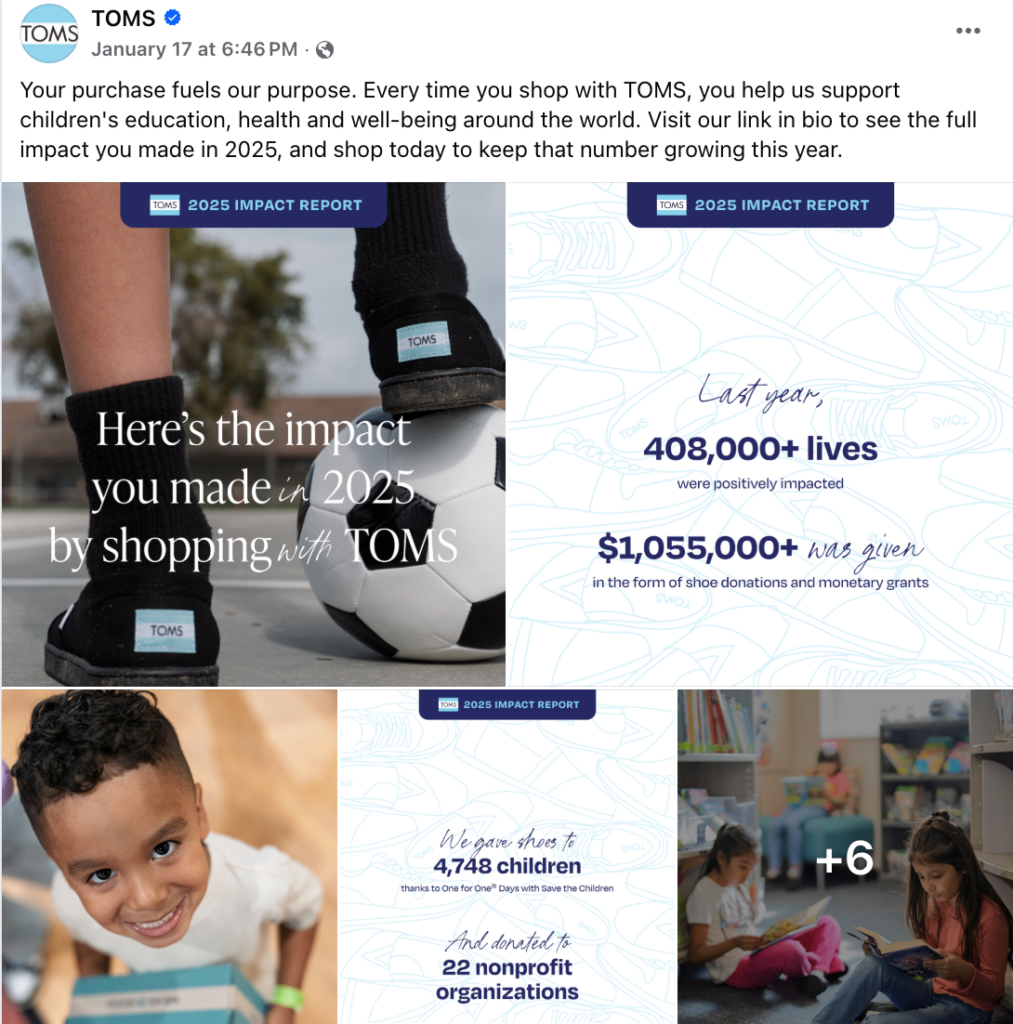
Examples include TOMS Shoes, which donates a pair for every purchase, allowing buyers to support global communities, or Ben & Jerry’s, which champions and donates to social issues.
Core Principles of Value-Driven Marketing
To nail this approach, you have to be authentic. Customers will sniff out an inauthentic marketing campaign a mile away. Instead of trying to be something you’re not, stick to the four core principles of value-driven marketing:
- Customer-first thinking: Ask, “What do they need?” before creating campaigns. Remember, this is about your customers, so center them and their needs in everything you do.
- Clear brand values and purpose: Define “what are brand values,” and pick 3-5 that mean the most to you. Your marketing should build a reputation centered on your values.
- Consistency: Share brand values everywhere. Work them into your social media content, website copy, product packaging, and customer service scripts.
- Long-term focus: Skip quick sales. Those fade just as fast as they popped up. Instead, work on building trust that pays off for years.
How Brands Bring Value-Driven Marketing to Life
Talk is cheap. Brands prove their values through action, not ads. Let’s explore how to make your brand values part of your brand guidelines:
- Storytelling that shows impact: Share real stories about how your product solves problems. Instead of simply saying, “We care,” share genuine narratives about how your product has changed actual lives. The goal is to humanize your values and avoid making them feel like stuffy corporate messaging.
- Real experiences over promises: Let customers experience your values firsthand. Lush invites shoppers to test bath bombs in-store to demonstrate their natural ingredients. Warby Parker offers free home try-ons, showing confidence in quality. Patagonia hosts repair workshops to demonstrate its commitment to sustainability. These interactions build trust faster than any slogan.
- Listen and evolve with feedback: Use surveys, reviews, and social listening to refine your approach. When Starbucks customers asked for plant-based options, the company launched oat milk nationwide, backing its “customer-first” value. Tools like Rallio help brands track feedback across locations to spot trends. Respond publicly to show you’re listening: “Thanks for the idea, Sam! We’re exploring X.”
- Team alignment from top to bottom: Train every single employee to live your values. At Trader Joe’s, crew members taste products and share recommendations, making “customer joy” tangible. Zappos empowers reps to resolve issues without scripts, demonstrating its “wow” service promise. Values thrive when every team member embodies them daily.
Pro tip: Consistency is key. Whether through TikTok demos, handwritten thank-you notes, or community clean-up events, align every touchpoint with your core values.
Examples of Common Brand Values
Not sure where to start? Borrow from these examples of common brand values in marketing:
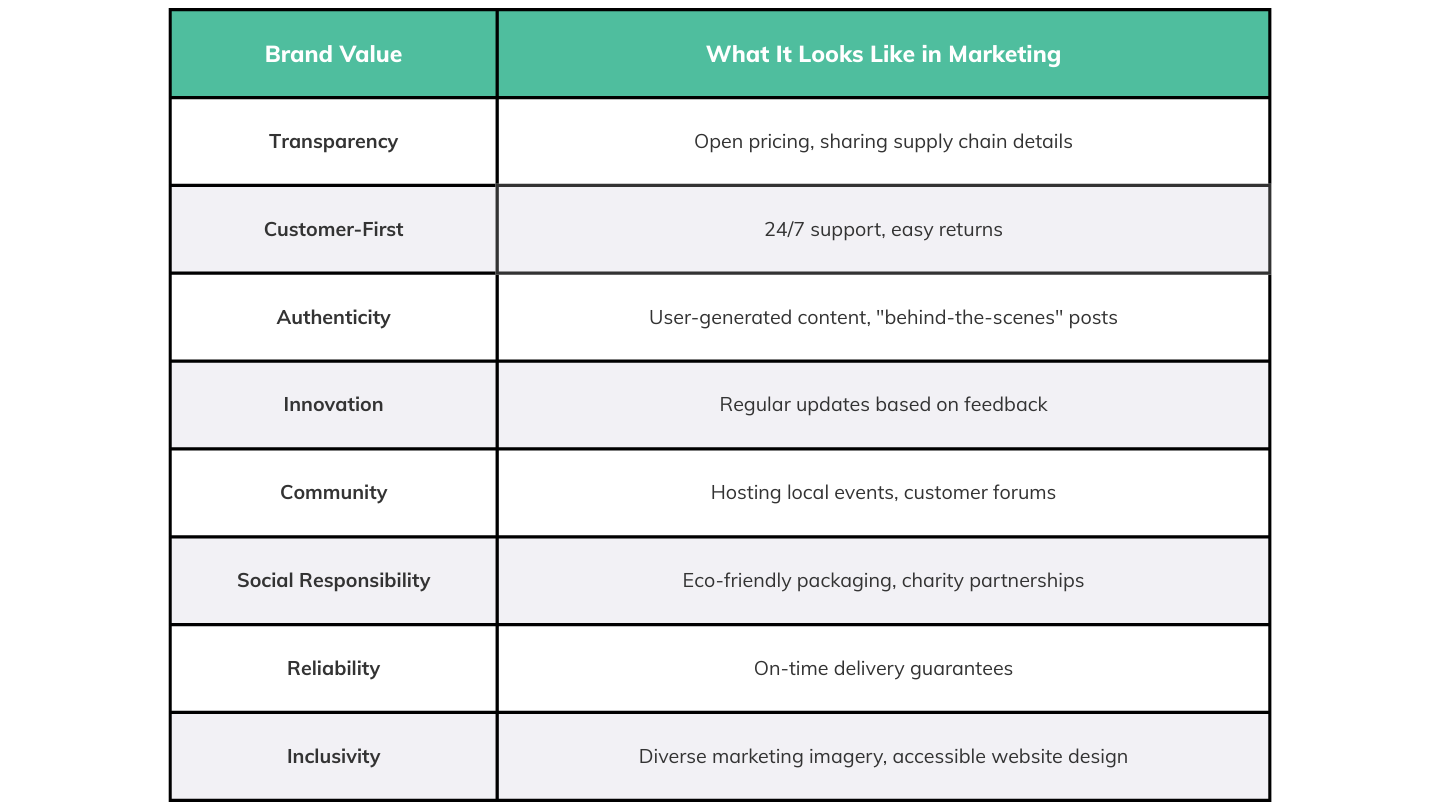
The Business Impact of Leading With Value
Brands that prioritize value-driven strategies earn goodwill, while also dominating markets. Here’s why:
- Stronger Trust = Repeat Purchases: When brands consistently deliver on promises, customers stop shopping around. In fact, 87% of consumers pay more for brands they trust, even during inflation. That trust turns into repeat purchases.
- Deeper Engagement = Free Word-of-Mouth: Value-driven brands turn customers into megaphones. Millions share photos, effectively becoming unpaid ambassadors. This organic reach is priceless: 92% of consumers trust recommendations from people they know over ads.
- Sustainable Growth = Crisis-Proof Loyalty: When recessions hit, transactional brands crumble. Value-driven brands thrive because they’ve invested in building those longstanding relationships.
Getting Started with Value-Driven Marketing
Ready to shift from transactions to trust? These three steps make it simple:
- Clarify Your Values: Ask: “Why do we exist beyond profit?” Dig deep. List 3–5 core values and figure out how they tie into your product or service.
- Research Your Audience: Don’t guess. Ask! Use Instagram polls, email surveys, or comment prompts like: “What matters most when you shop?”
- Audit Your Marketing: Check if your actions match your values. If “community” is a core value, it should be reflected in your marketing through featured customer stories, highlighted local events, and responding to comments.
How Rallio Supports Value-Driven Marketing
Managing your brand’s values across hundreds of locations or social platforms feels like herding cats, but it doesn’t have to. Rallio turns chaos into clarity with tools designed for authentic, value-driven marketing:
- Consistency Tools: Sync your core values to every franchise, store, or team member’s social posts. Rallio’s templates and approval workflows keep messaging on-brand, whether you’re sharing sustainability efforts or employee stories.
- Feedback Loops: Track reviews, comments, and DMs across all platforms in one dashboard. Spot misalignments instantly, like a location promoting “speed” when your core value is “thoughtful service.” Rallio flags these gaps and suggests tweaks.
- Insight-Driven Content: Turn raw customer data into compelling stories. Rallio analyzes feedback to identify trending values, like “eco-friendly packaging” or “24/7 support”, and generates content prompts.
FAQs
1. What is value-driven marketing?
Value-driven marketing focuses on delivering meaningful benefits beyond products that align with customers’ core needs and beliefs. It prioritizes solving problems, building emotional connections, saving resources, or supporting shared causes.
3. How is it different from traditional marketing?
Traditional marketing focuses on features, discounts, or flashy ads. Value-driven marketing prioritizes long-term relationships over transactions. While traditional tactics push products, value-driven strategies pull customers in by improving lives.
3. What types of value can brands deliver?
Brands can deliver four types of value: functional (solves problems), emotional (builds joy), economic (saves money), and social (supports causes).
4. Why does value-driven marketing matter today?
Most consumers prefer brands aligned with their values. People ignore salesy pitches but rally behind brands that reflect their beliefs, such as sustainability or inclusivity. With so much happening, leading with your brand values will cut through the noise and put you on top with your purpose-driven audiences.
5. How can businesses start sharing values in marketing?
Businesses can start by clarifying their values and researching what matters most to their audiences. Armed with that information, they can then audit all touchpoints, from their web copy to their paid ads, to ensure that all of their messaging reflects their values. Aligning actions, like weaving values into every message and training team members on value-based marketing, will help businesses build a brand they can believe in.
Highlight Your Brand Values with Rallio
Whether you’re a 500-location franchise or a small business with three or four locations, Rallio makes it easy for everyone to stay on brand and share the values that mean the most to you.
Are you ready to get started? Contact us today to see how Rallio can keep you organized, so your team can share your values and scale your business.

Tyler Phillips is a Marketing Manager at Rallio, powered by Ignite Visibility, with over seven years of experience in SaaS and social media marketing and more than sixteen years in online video production. Known for his creative thinking and innovative problem-solving, Tyler specializes in designing and executing strategic digital advertising and content marketing campaigns. His passion lies in bridging creativity and data—turning complex ideas into simple, impactful brand narratives that connect, engage, and inspire.