Your employees are already talking about work. Why not make it work for your brand? Employee advocacy transforms everyday team members into powerful brand storytellers.
In this blog, Tyler Phillips, Marketing Manager, will show you how to turn employee-generated content into your secret marketing weapon.
What You’ll Learn:
- What is Employee Advocacy & Employee-Generated Content?
- What Does Employee-Generated Content Look Like?
- Why Employee Advocacy & EGC Matter for Brands
- Why Employee Advocacy Matters for Employees
- What This Looks Like in Practice
- Challenges and Considerations
- How to Build an Employee Advocacy Strategy
- Best Practices for Blending EGC + Advocacy
- FAQs
Expert Opinion on Employee Advocacy
Social media is noisy. If you want to get attention, you need to stand out. That’s where employee advocacy comes into play.
According to industry research, employee-shared content receives 8x more engagement than content from brand channels. And it makes sense. People trust people, not logos. When your team shares authentic stories about their work, customers listen.
Smart brands are catching on fast. They’re investing in employee advocacy tools and programs that amplify reach and build trust. The result? More visibility, stronger credibility, and better business outcomes.
Before you start turning your employees into brand advocates, let’s talk a little more about what employee advocacy is and how you can use it to grow your business in 2026.
What is Employee Advocacy & Employee-Generated Content?
Employee advocacy is when team members promote your company on their personal social channels. This happens when your team members share company news, celebrate their own wins, or tell authentic stories about their time working for your brand.
Basically, employee-generated content (EGC) is any content created by employees about their work experience.
This matters more today than ever before. Traditional advertising is losing its punch. People scroll past brand ads without a second thought. But a genuine post from a real employee? That stops the scroll.
Employee advocacy social media builds the authenticity modern audiences crave. It extends your reach far beyond your corporate followers. Plus, it comes from trusted sources: real people doing real work.
What Does Employee-Generated Content Look Like?
Employee-generated content comes in many different forms. It includes:
- Social media posts
- Photos
- Videos
- Blog posts
- Stories
- Testimonials
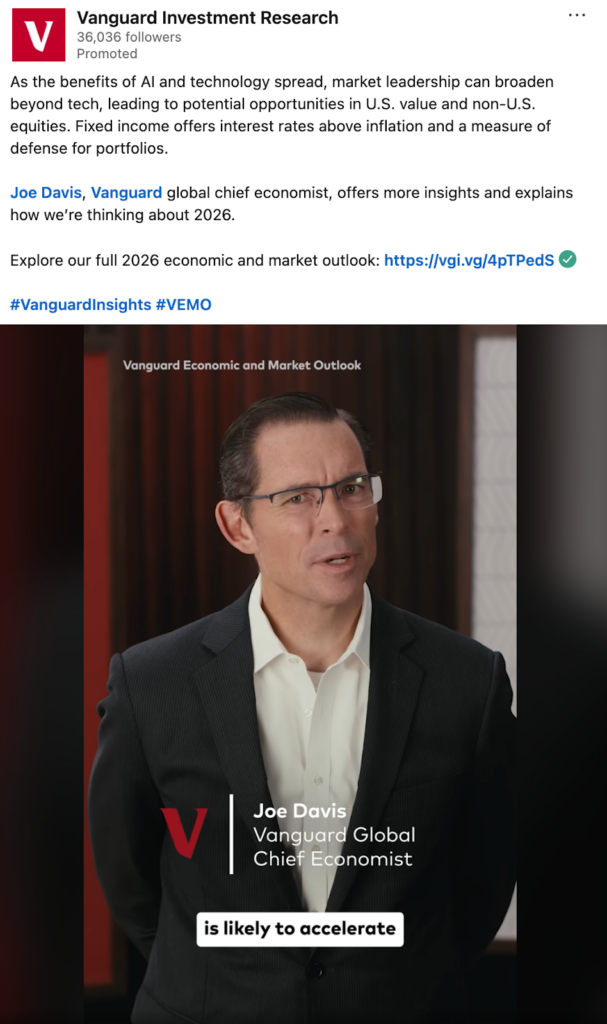
Some content lives on internal platforms for team building. Other pieces shine on public channels like LinkedIn, Instagram, or TikTok. Consumers love to see things like behind-the-scenes office moments, video testimonials from employees, or quick tips from experts. All of this counts as employee advocacy content.
It’s different from traditional brand content, which is carefully crafted by expert marketing teams and follows strict guidelines. Although often beautiful and well-designed, this content isn’t as scroll-stopping as EGC.
It’s also different from user-generated content (UGC) that comes from customers outside your organization. UGC captures that authenticity that traditional content is missing, but doesn’t come from company insiders.
EGC sits in the sweet spot between them. It’s authentic like UGC but comes from people inside your company. It balances brand knowledge with personal perspective. That combination creates powerful, trustworthy content.
Why Employee Advocacy & EGC Matter for Brands
Let’s take a look at just some of the reasons why creating an employee advocacy program could be the best marketing decision you make in 2026.
When done correctly, employee advocacy social media content can:
- Build trust and authenticity: When team members share their experiences, it gives the content the authenticity it needs to cut through the noise of oversaturated social feeds.
- Expand organic reach: Every employee has their own network of connections. When they share company content, your message reaches new audiences. This multiplies your brand’s visibility without paid advertising.
- Support recruitment and employer brand: Job seekers research company culture before applying. What better way to showcase your culture than with actual employee posts? It also helps to attract better-quality candidates who align with your values and strengthen your reputation as an employer.
- Be a cost-efficient growth channel: Since you’ll be leveraging resources you already have, building an employee advocacy program costs less than traditional advertising. While you’ll need employee advocacy software to streamline the process and track results, the return on investment often exceeds other marketing channels.
- Improve brand storytelling and narrative control: Your employees help shape how people see your brand. When they share positive experiences, it creates a positive narrative. Having trusted and credible brand advocates becomes especially valuable during launches or challenging times.
Why Employee Advocacy Matters for Employees
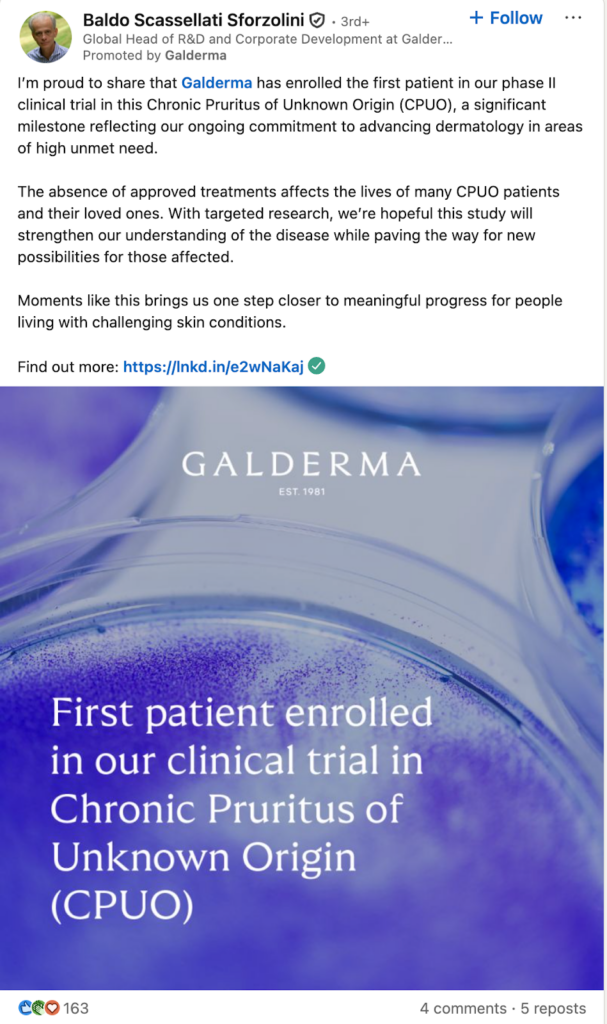
This type of content isn’t just exciting for your brand and your audience. There are many reasons why employee-generated content matters to your team members, too.
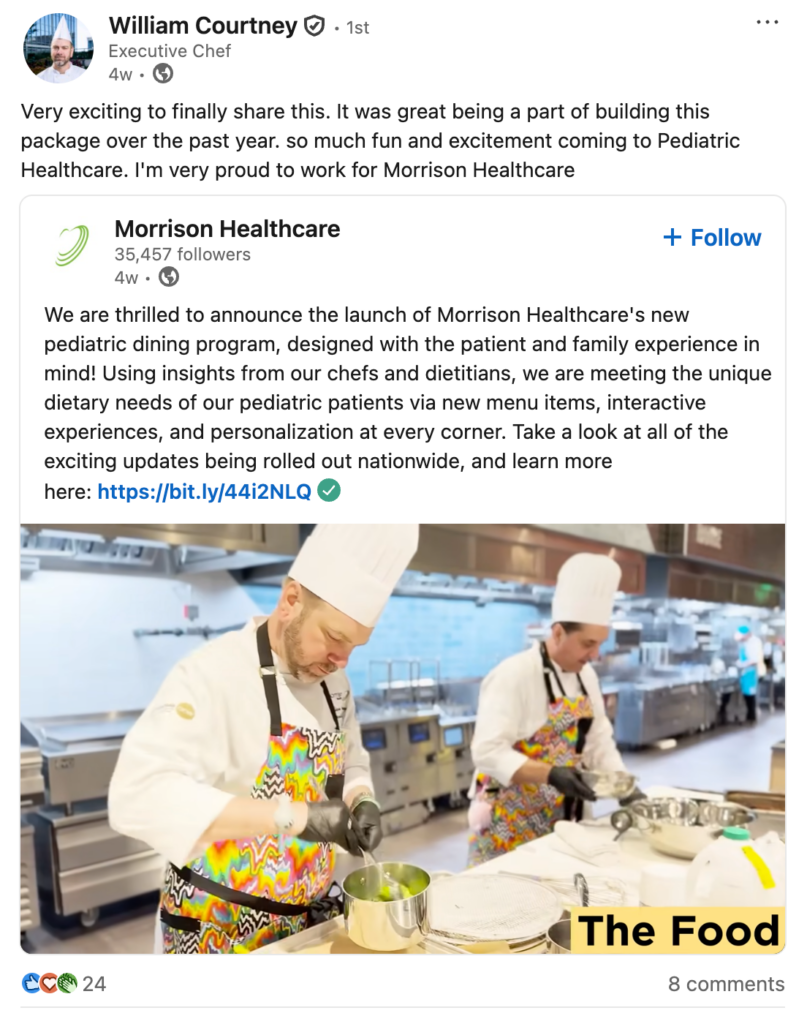
- It encourages advocacy and engagement: Participating in employee advocacy programs boosts employee pride. When team members feel more connected to company success, it increases overall job satisfaction and loyalty. Engaged employees become your best retention strategy.
- It builds personal brand and thought leadership: Sharing industry insights positions employees as experts. This benefits your employee by growing their professional reputation and network and opening doors for career advancement. The visibility gained by becoming a brand advocate benefits both your employee and your company.
- It fosters culture, belonging, and collaboration: Employee advocacy programs create shared experiences across teams. Creating content encourages employees to connect with colleagues in different departments. This strengthens internal culture and makes people feel like they’re part of something bigger.
What This Looks Like in Practice
Effective advocacy content comes in many flavors. You can choose to showcase:
- Success stories that show real results from your products or services.
- Behind-the-scenes posts that give followers an inside look.
- Personal wins that celebrate individual or team achievements.
- Culture highlights that showcase company values in action.
- Thought leadership that shares industry expertise and insights.
Remember: there’s a key difference between sharing and creating.
Some employees simply share branded company posts. Others create original content with their own perspective. The first approach is easier and maintains consistency. The second feels more authentic and engaging.
The most effective employee advocacy programs blend both approaches. They provide ready-to-share content while encouraging original posts. This balance maximizes participation and authenticity.
Challenges and Considerations
Just like any other marketing program, incorporating this type of content comes with some challenges to consider before getting started.
The first is brand consistency. When many people share content, messaging can drift. You can find a balance between consistency and authenticity with thoughtful planning and clear guidelines.
The second is the legal and compliance risk. Employees might accidentally share confidential information or make claims that create legal exposure. Industries like finance and healthcare also face additional regulations to be aware of. You can protect everyone through proper training and appropriate approval processes.
Finally, quality control and participation could drop off at some point. It’s important to go into the process with the understanding that not all employee content will meet brand standards. Some posts might miss the mark or feel off-brand. Additionally, initial enthusiasm often fades over time. Keeping employees engaged requires ongoing effort on your part to keep the momentum going long-term.
How to Build an Employee Advocacy Strategy
Before investing in employee advocacy tools, it’s important to secure leadership support and set clear goals. Without executive buy-in, your program could be dead in the water.
To help leaders feel excited about your proposal, be sure to define specific objectives, such as reach, engagement, recruitment, or sales. Also, introduce measurable goals to keep everyone focused.
Once you’re ready to move forward, create brand guidelines and provide brand-safe content starters that explain what employees can and can’t share. You can also build a library of pre-approved posts, images, or templates to make it easier on everyone to participate.
After you prepare the guidelines, you need to encourage employees to create perspective-driven content. Go beyond simply sharing company posts and invite them to add their own take or share personal stories and insights. This original content performs best on social platforms.
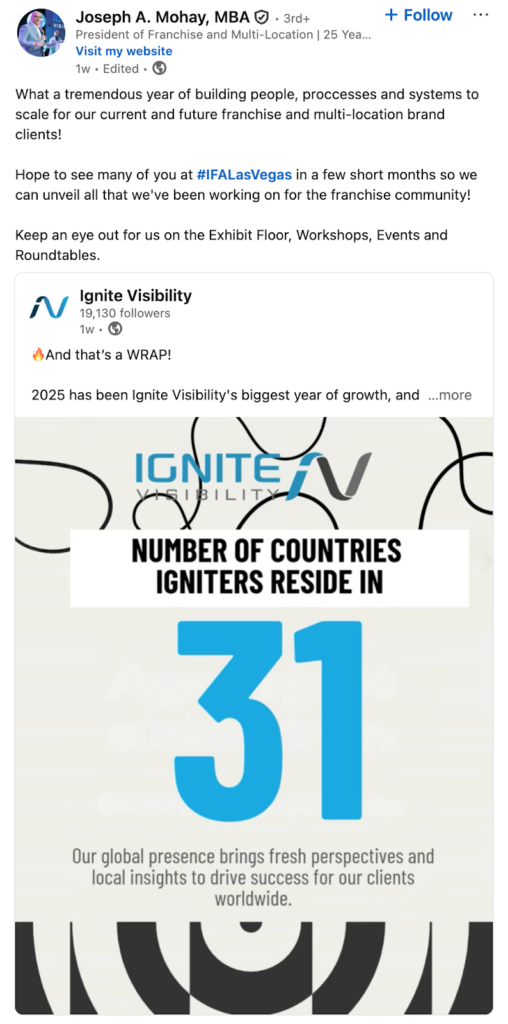
As your team begins posting, don’t forget to measure your results and make adjustments as needed. Identify your top advocates by tracking reach, engagement, and influence metrics. Identify what content performs best and use these insights to refine your approach. Celebrate wins and adjust what isn’t working.
Best Practices for Blending EGC + Advocacy
Creating a successful employee advocacy program takes work, but when done correctly, it’s one of the most powerful tactics in social media. If you’re thinking of starting your own program, here are some best practices to keep in mind:
- Authenticity beats perfection every time: Don’t demand polished, studio-quality content. Encourage employees to be their real and relatable selves.
- Let employees personalize, not just copy-paste: Provide base content but encourage customization.
- Spotlight and celebrate advocates publicly: Recognize top contributors in company meetings or feature their best posts in newsletters. Public appreciation motivates continued participation and inspires others to get involved.
- Build momentum through recognition and incentives: Create friendly competitions or point systems, or offer rewards for consistent participation.
- Focus on content inspiration, not control: Provide inspiration and support, but trust your employees to represent the brand well.
- Use Rallio’s Employee Advocacy feature and reward program: Rallio is a purpose-built tool that makes it easy to share content by tracking participation and engagement. The built-in reward programs keep motivation high as employees earn recognition for their contributions.
FAQs
1. What is employee advocacy, and how does EGC fit into it?
Employee advocacy is when team members promote your company on their personal social channels. Employee-generated content (EGC) is the original content employees create about their work experiences. Together, they amplify your brand’s reach and credibility by turning your employees into trusted voices and brand advocates.
2. Why should our company invest in employee advocacy?
Employee advocacy is a cost-efficient marketing strategy that delivers a strong ROI while building trust, expanding organic reach, and supporting recruitment efforts. Employees become brand advocates who control your narrative and can resonate more than traditional advertising. Plus, fun advocacy programs boost employee engagement and retention.
3. What kind of content should employees share?
Authenticity matters more than polish. Focus on real experiences that showcase your brand values, such as employee success stories, behind-the-scenes moments, and culture highlights. Industry insights and thought leadership work well too. You can also mix company-provided content with personal perspectives.
4. How do we encourage employees to participate?
If you want your employees to participate, you have to make participation easy for them. Create content libraries, templates, clear guidelines, and regular prompts to get their creative juices flowing. Always celebrate or reward their participation and remove barriers and friction wherever possible.
5. What risks or challenges should we be aware of?
Key risks include brand inconsistency, legal compliance issues, and quality control. Confidential information could accidentally be shared. Participation may drop off after initial enthusiasm. Some content might miss brand standards. Address these challenges through clear guidelines, proper training, and employee advocacy software that streamlines oversight and simplifies participation.
Showcase Your Employee Team with Rallio
Employee advocacy is a credible way for brands to build trust, expand reach, and stay competitive. Your employees are your most credible marketers, and their authentic voices can transform your brand’s visibility.
Rallio’s employee advocacy software takes the guesswork out of the process. With easy content sharing, built-in reward programs, and simple tracking tools, Rallio makes it effortless for your team to become powerful brand advocates.
Turn your employees into your biggest marketing advantage. Schedule a free demonstration today!

Tyler Phillips is a Marketing Manager at Rallio, powered by Ignite Visibility, with over seven years of experience in SaaS and social media marketing and more than sixteen years in online video production. Known for his creative thinking and innovative problem-solving, Tyler specializes in designing and executing strategic digital advertising and content marketing campaigns. His passion lies in bridging creativity and data—turning complex ideas into simple, impactful brand narratives that connect, engage, and inspire.