It’s no secret that social media influencers have changed the way brands connect with customers online. They can help businesses break down the professional wall and build a more authentic connection with their customers.
The key to getting the most out of your influencer marketing campaigns is understanding the different types of influencers and how they relate to your specific industry.
In this blog, Megan Lehrich, Senior Account Strategist, will break down what social media influencers are, explore the four main types, and show you how to pick the right ones for your business.
What You’ll Learn:
- What is a Social Media Influencer?
- The 4 Types of Influencers Explained
- How to Choose the Right Influencer Type
- Actionable Tips for Working with Each Tier
- Measuring Success Across Influencer Tiers
- Trends and Future of Influencer Marketing
- How Rallio Helps Brands Work with Every Type of Influencer
- FAQs
An Expert Opinion on Social Media Influencers
Whether you love them or hate them, social media influencers have become essential partners for brands looking to reach real people in authentic ways. According to the Digital Marketing Institute, 69% of consumers trust influencer recommendations. That’s a big number that no marketer can ignore.
When you think about it, it makes sense. For many people, influencers become people they “know,” and when someone you admire shares a product they love, it feels like advice from a friend rather than a sales pitch.
Influencers help brands in several important ways. They create original content that showcases products in real-life settings, much like user-generated content. They start conversations that drive people to talk about your brand. They also reach specific audiences that might never see your regular ads.
For small businesses and large companies alike, working with the right influencers can boost brand awareness, drive website traffic, and increase sales. The key is understanding that not all influencers work the same way, which is why knowing the different types matters.
What is a Social Media Influencer?
The definition of an influencer is a content creator who promotes products and brands across digital platforms such as TikTok, Instagram, Facebook, and YouTube. They have built trust and credibility with their audiences by sharing content about topics they care about, and their followers value their opinions.
What makes someone truly influential isn’t just their follower count. The real power comes from trust, engagement, content quality, and how well their audience matches your target customers. An influencer with 5,000 dedicated followers who comment, share, and take action can be more valuable than someone with 500,000 followers who barely interact.
Think about what matters most to your brand goals. If you want to build awareness among many people, you might choose influencers with larger audiences. If you want actual sales or to reach a very specific group, smaller influencers with dedicated communities often work better.
The 4 Types of Influencers Explained
Understanding the types of influencers helps you match the right creators to your marketing goals. Each tier offers different strengths based on audience size, engagement levels, and cost.
Nano Influencers
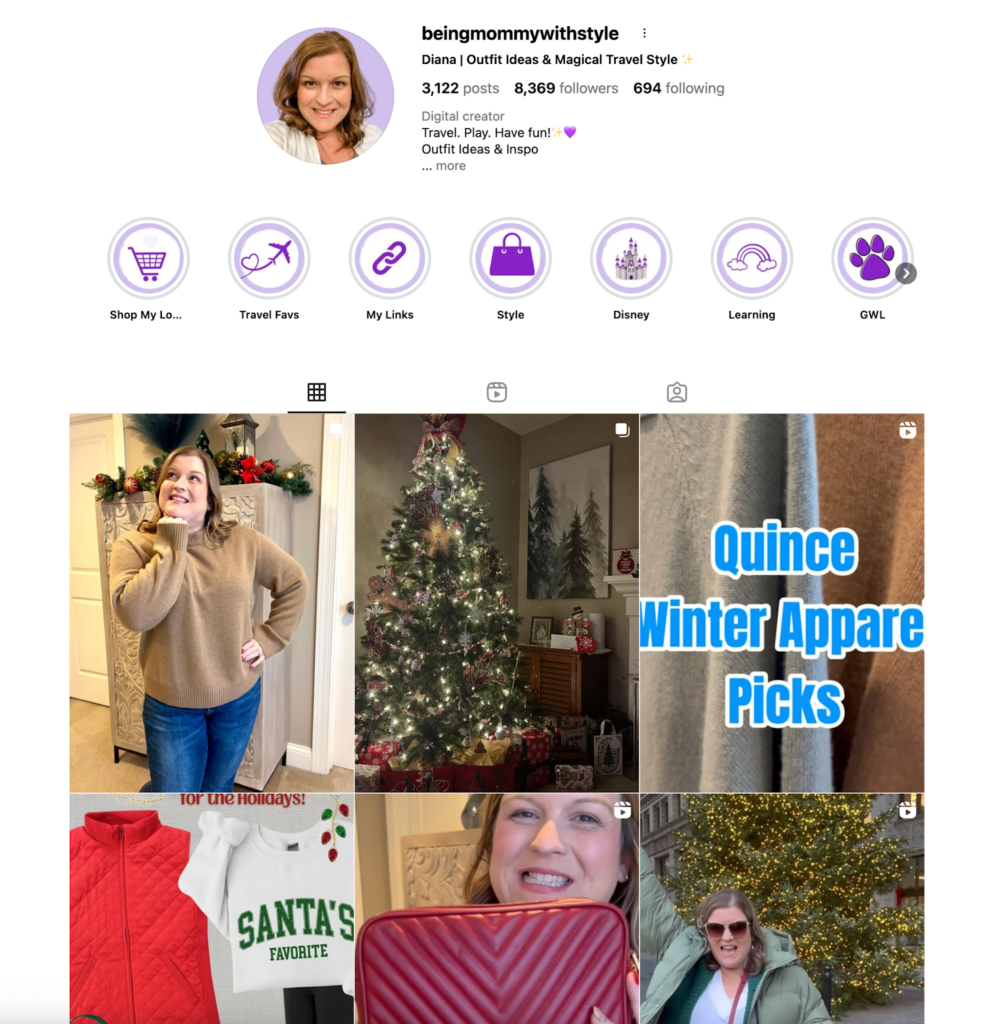
Follower count: 1K to 10K
Who they are: Nano influencers typically have highly engaged social media followings and are vocal advocates for the brands and products they promote. Given their smaller following, they have an opportunity to get to know their followers on a more personal level. Their authentic content and recommendations resonate with their small community, who appreciates nano influencers’ genuine tips and transparency.
Who should use them: Small and midsize businesses are a good fit for these social media influencers. Start with your own network of followers and even employees to identify possible nano influencers who would be willing to work with you.
How to use them: Nano influencers are great for product teardowns, candid reviews, or community Q&A sessions.
Micro Influencers
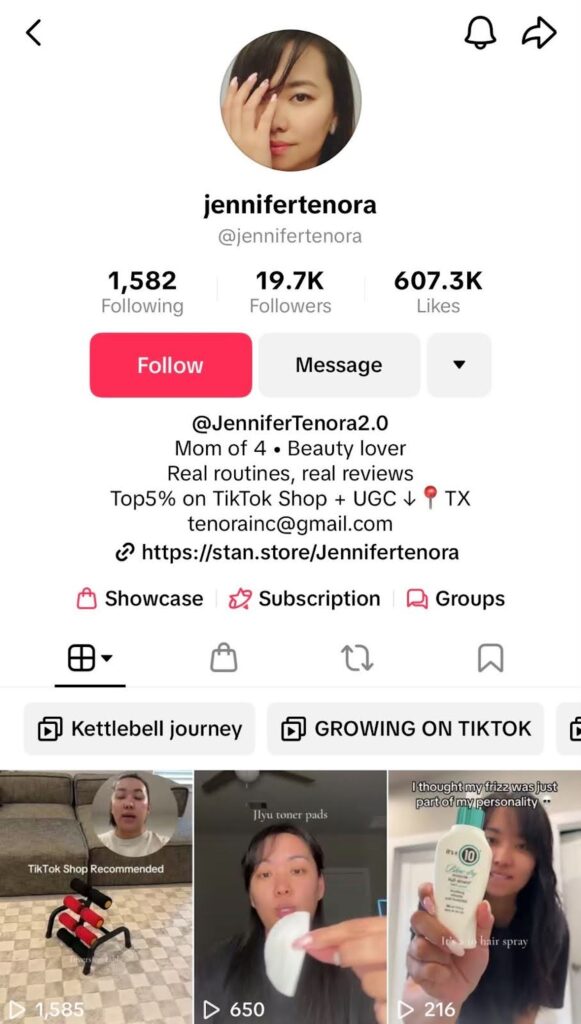
Follower count: 10K to 100K
Who they are: With 10K to 100K followers, micro influencers have a larger network but are still viewed as relatable, authentic, and genuine with their audience, who enjoys engaging with and sharing their content. They tend to have a specialized audience that’s receptive to marketing messages about the products and services used by these micro influencers.
Who should use them: Micro influencers work well for specific niches and a highly targeted audience. If you’re looking to create special promotions and sponsorships with your influencers, a micro influencer can be a good fit. Their high engagement rates mean more eyeballs on your content and more opportunities to convert casual followers into loyal customers. To find them, you can again look to your own followers who are already fans of yours, as well as search for certain hashtags related to your brand or niche.
How to use them: Micro influencers are perfect for Instagram guides or TikTok challenges highlighting product features.
Macro Influencers
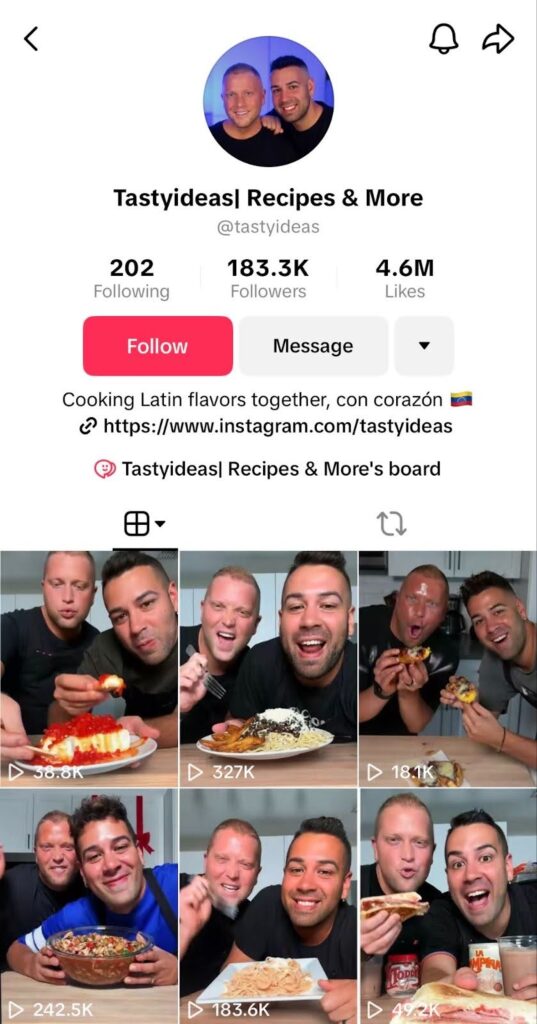
Follower count: 100K to 1M
Who they are: Macro influencers have a much larger network, with anywhere from 100K to 1 million followers. They appeal to a broader audience than micro influencers and may be established bloggers, vloggers, podcasters, or social media celebrities who have made a name for themselves. They may also be more disconnected from their audience and won’t have the same personal relationships with their community as someone with a smaller following.
Who should use them: You may have a harder time getting your foot in the door with a macro influencer, who likely gets pitched every day from brands asking for representation. If your brand is more well-established and you’re prepared to meet a potential influx of new orders, then a macro influencer could be right for you. In other words, if you successfully land a macro influencer and they agree to promote your brand, you need to be prepared to meet the demand from new customers.
How to use them: Macro influencers are best for product unboxings or demo videos that feel professional but still personal.
Mega Influencers
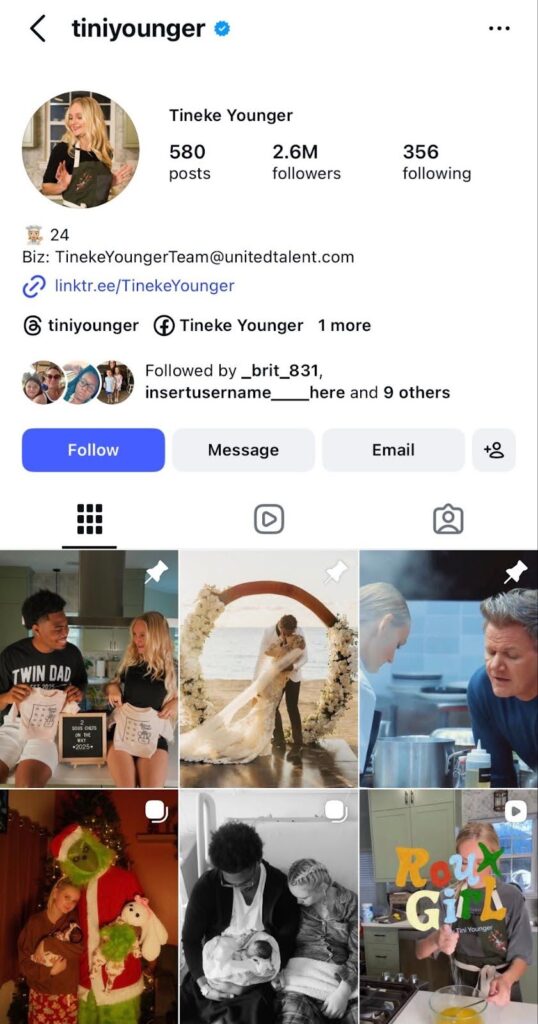
Follower count: 1M and up
Who they are: Like macro influencers, mega influencers also have a much larger network of 1 million followers or more. They’ve worked to establish their name. They’re either big-time celebrities who are household names or celebrities within a niche, like the fitness community. Again, they may be more disconnected from their audience than someone with a smaller following.
Who should use them: You’ll need a large budget and an established brand with locked-down distribution to work with a mega-influencer. If you’re set on going with a mega influencer, and you’re looking to cast a wider net with your audience, a mega influencer can help you get in front of a lot of potential followers. For small brands just starting out, however, smaller may be better.
How to use them: Mega influencers shine when focused on celebrity endorsements or campaign ambassadorships.
How to Choose the Right Influencer Type
Choosing the right influencer requires you to take a look at your:
- Goals: Are you trying to build awareness with lots of people, drive engagement and conversations, or generate actual sales and conversions? Awareness campaigns often benefit from macro- and mega-influencers, who can reach large audiences. Engagement and conversion goals typically perform better with nano- and micro-influencers whose communities take action.
- Budget: Mega- and macro-influencers can cost thousands to tens of thousands of dollars per post. Micro influencers might charge hundreds to a few thousand dollars. Nano influencers often work for free products, small payments, or special experiences. Smaller budgets don’t mean less effective campaigns. Many brands achieve a better return on investment with nano- and micro-influencers because their costs are lower while their engagement rates are higher.
- Audience: An influencer with 500,000 followers who reaches the wrong people won’t help your business. A nano influencer with 3,000 followers who all match your target customer perfectly can drive real results. Look at who actually follows the influencer, what they care about, and whether those people would genuinely be interested in your product.
- Campaign Type: One-off posts are effective for short-term promotions or single-product launches. Long-term ambassadorships where influencers represent your brand for months create deeper connections and more authentic storytelling. Smaller influencers often make better long-term partners because they can naturally integrate your brand into their content.
Actionable Tips for Working with Each Tier
Each influencer tier works best with different collaboration approaches.
For nano influencers, focus on building relationships rather than transactional exchanges. Incentivize them with free products, early access to new releases, and community perks like exclusive events or behind-the-scenes content. Make them feel like valued partners, not just promotional tools.
When working with micro influencers, co-create content briefs together to ensure brand fit while respecting their creative voice. These creators know their audiences better than anyone. Give them guidelines while also providing creative freedom. This will help the concept feel natural to their existing content while still highlighting your brand.
Macro influencers require more professional planning. Consider cross-platform collaborations to maximize your investment, such as pairing blog posts with TikTok videos and Instagram Stories. These creators often have teams helping them, so be prepared for more formal contracts and communication processes.
For mega influencers, focus heavily on storytelling and narrative consistency across all channels. These partnerships are significant investments, so ensure the message aligns perfectly with your brand values and campaign goals. Work with their management teams on detailed creative briefs and approval processes.
Measuring Success Across Influencer Tiers
Different influencer types require different success measurements. Here is a cheat sheet for which KPIs you should track with each type of influencer:
- Nano influencers: Focus on engagement rate and sentiment. Look at how many people are commenting, sharing, and having positive conversations. Even if total numbers seem small, high engagement percentages show genuine influence.
- Micro influencers: Focus on click-throughs and conversions per follower. Track how many people visit your website, use promo codes, or make purchases. These creators excel at driving action, so measure actual business results rather than just awareness metrics.
- Macro influencers: Focus on reach and share of voice. Look at how many people saw the content and the types of conversations it generated.
- Mega influencers: Focus on impressions and brand lift. How many total views did the content receive? Did overall brand awareness or positive perception increase after the campaign? Use surveys and tracking studies to measure big-picture impact.
Trends and Future of Influencer Marketing
The influencer marketing landscape continues evolving in exciting directions. Smaller creators will likely continue to dominate, as audiences increasingly value authenticity over perfectly curated content.
Employee advocates and customer creators represent emerging influencer audiences. Your own employees and happy customers bring insider knowledge and authentic enthusiasm that professional influencers can’t replicate.
We’re also seeing the growing importance of niche community influence over mass reach. Instead of trying to reach everyone, successful brands focus on reaching the right people. Micro-communities built around specific interests, values, or lifestyles create stronger business results than broad, unfocused campaigns.
How Rallio Helps Brands Work with Every Type of Influencer
Managing influencer campaigns can be challenging due to the many moving parts. Here’s how Rallio’s established system will make it easy.
Simplify Influencer Management
Rallio centralizes influencer and brand content on a single platform, making it easier to see everything happening across your marketing efforts. This reduces complexity, whether you’re working with two influencers or two hundred.
Support Brand Consistency at Scale
One challenge with influencer marketing is maintaining your brand voice while letting creators be authentic. With Rallio, you can keep your brand guidelines and compliance guardrails in one place, ensuring your influencers get clear direction while preserving their unique perspectives.
Scale Influencer Content Across Locations
Multi-location brands face a unique challenge: how to use great influencer content everywhere it could help. Rallio enables the sharing and localization of influencer posts across different locations, maximizing the value of your influencer collaborations.
Measure Influencer Impact
Understanding which influencers actually drive results requires good tracking. Rallio tracks the performance of influencer content alongside your organic posts, helping you see the complete picture.
Build Long-Term Influencer and Advocate Programs
Rallio helps identify high-performing creators and supports ongoing relationships with influencers and brand advocates. You can turn one-time collaborations into lasting partnerships that grow more valuable each month.
FAQs
1. What are the four main types of social media influencers?
The four main types are nano influencers (1K-10K followers), micro influencers (10K-100K followers), macro influencers (100K-1M followers), and mega influencers (1M+ followers). Each tier offers distinct strengths in reach, engagement, and cost, making it suitable for different marketing goals and budgets.
2. Are nano and micro influencers actually effective for brands?
Yes, nano and micro influencers are highly effective, especially for engagement and conversions. They typically have stronger connections with their audiences, leading to higher engagement rates and more authentic recommendations. Many brands achieve higher ROI by working with multiple smaller influencers rather than one large influencer, particularly for targeted campaigns.
3. How do I know which type of influencer is right for my business?
Start by defining your campaign goals: awareness, engagement, or conversions. Match your budget to realistic influencer tiers. Most importantly, prioritize audience alignment over follower count. The right influencer reaches people who actually want your product, regardless of whether they have 5,000 or 500,000 followers.
4. Is follow count more important than engagement?
No, engagement is typically more important than follower count. An influencer with 10,000 highly engaged followers who trust their recommendations will drive better results than someone with 100,000 followers who rarely interact.
5. Can brands work with more than one influencer type at the same time?
Absolutely! Many successful campaigns use multiple influencer tiers simultaneously. You might partner with a mega influencer for broad awareness while working with several micro influencers for targeted conversions. This multi-tier approach maximizes both reach and relevance, though it requires careful coordination to maintain consistent messaging.
Rallio & Influencer Marketing: The Secret to Social Media Success
Understanding the different types of influencers empowers you to make smarter marketing decisions. Whether you choose nano influencers for authentic community connections, micro influencers for niche reach, macro influencers for broad visibility, or mega influencers for massive impact, the key is matching influencer type to your specific goals.
Rallio makes influencer marketing manageable and measurable for brands of all sizes. Our platform helps you coordinate campaigns, maintain brand consistency, track performance, and build lasting relationships with creators who drive real results.
Ready to cash in on the influencer marketing trend? Discover how Rallio can simplify your influencer marketing strategy today!

With over six years of experience in digital marketing and client strategy, Megan Lehrich is a Senior Account Strategist at Rallio, an award-winning social media and reputation management platform recently acquired by Ignite Visibility. With deep expertise in franchise and travel marketing, Megan leads strategic relationships across large-scale national and global brands — helping hundreds of local businesses grow through intelligent content syndication, localized social media, and AI-powered engagement tools.