Marketing to “everyone” means resonating with no one. If you want to be heard, you need to be intentional about who you’re speaking to.
For multi-location and franchise brands, clarity around their target audience drives consistency, efficiency, and stronger local engagement. When you know exactly who you’re trying to reach, every post becomes more powerful. In this blog, Curren Jadim, Social Media Coordinator, goes over the basics of target audiences, why they are important for multi-location brands, and how to find yours.
What You’ll Learn:
- What is a Target Audience and Why Does it Matter?
- The Core Building Blocks of Audience Strategy
- Why Audience Clarity is Even More Critical for Multi-Location Brands
- The Business Impact of Knowing Your Marketing Audiences
- Turning Audience Insights into Social Strategy
- How Rallio Helps Brands Reach the Right Audience
- FAQs
Expert Opinion
Here’s the truth that separates thriving brands from struggling ones: specificity wins. The brands that stand out are the ones brave enough to say no to some people so they can say a powerful yes to the right people.
Think about it this way: would you rather have a thousand followers who scroll past your content, or a hundred who stop, engage, and buy? The answer seems obvious, yet countless brands still chase vanity metrics over meaningful connections. Defining your target audience doesn’t mean excluding people. It’s more about making sure your message lands with the people who need it most.
The most common mistake? Assuming you already know your audience without doing the research. Your assumptions about who shops with you might be completely different from reality. The brands winning on social media today are those using data, asking questions, and constantly refining their understanding of their target customer base.
What is a Target Audience and Why Does it Matter?
A target audience is a specific group of people most likely to engage with your brand, buy your products, or use your services. They’re the people who need what you offer and are willing to actually purchase it.
Let’s clarify the difference between a broad market and a clearly defined audience. Your market might be “people who eat pizza,” but your target audience example is “busy parents aged 30-45 who value quick, healthy meal options for their families and live within five miles of your location.” See the difference? One is vague, the other is actionable.
Audience clarity impacts every aspect of your marketing strategy. Understanding your target audience examples will make:
- Your messaging sharper
- Your platform selection easier
- Your content strategy more focused
- Your ad performance more effective
When you understand who you’re talking to and where they hang out, you’ll no longer be wasting time and money on people who were never going to convert anyway. Everything will click into place, and you’ll stop second-guessing every post and start creating with confidence and purpose.
The Core Building Blocks of Audience Strategy
Instead of guessing who might like your brand, strong companies define their audiences through these four core building blocks:
- Who they are: Identify your target audience’s demographics and geographical location. This includes age ranges, income levels, education, family status, and where they live. For a multi-location brand, geography becomes especially important because an audience in Denver is likely to be slightly different from one in Miami, even if they shop at the same branded store.
- What they care about: What does your target audience care about? What are their interests and values? Your brand should align its content with what your audience cares about.
- How they behave: Learn how they behave by studying their online habits and buying behaviors. Do they shop on mobile or desktop? Are they impulse buyers or careful researchers? What time of day are they most active on social media? These behavioral patterns help you meet your audience where they already are.
- What they need: Discover what they need by identifying their pain points and motivations. What problems are they trying to solve? What goals are they working toward? When you align your messaging with their genuine needs, you move from being just another brand to becoming a helpful solution.
These four building blocks work together to create a complete picture. The more detailed your understanding, the more effective your marketing becomes.
Why Audience Clarity is Even More Critical for Multi-Location Brands
For multi-location and franchise brands, audience clarity becomes even more essential. You’re managing one brand identity across multiple communities, each with its own local flavor and preferences. This creates a unique challenge: how do you maintain a consistent national brand voice while honoring local audience nuances?
Consider a fitness franchise with locations in college towns and retirement communities. College students might respond to high-energy group classes and social workout challenges, while retirees might prioritize gentle movement, health maintenance, and community connection. The marketing team for this brand would have to understand how to reach both audiences without sacrificing the brand’s core values.
If you want to balance a centralized message with localized relevance, you must have clear brand guidelines and a smart system in place. Your brand standards provide the foundation, but individual locations need flexibility to speak authentically to their specific communities.
Most importantly, audience insights support scalable growth. When you crack the code on who your best customers are and how to reach them, you can replicate that success across new locations. Clear audience definitions make training easier, content creation faster, and marketing results more predictable.
The Business Impact of Knowing Your Marketing Audiences
Knowing your marketing audiences won’t just foster a warm, fuzzy connection between your brand and your targeted customers. It’ll also provide a higher return-on-investment.
Let’s break down the concrete outcomes that make audience research worth the investment.
- More relevant content: Instead of generic posts that could come from any brand, you share content that feels personally meaningful to your audience. This relevance cuts through the noise and earns attention in crowded social feeds.
- Stronger engagement: When your content speaks directly to someone’s interests, needs, or experiences, they’re far more likely to like, comment, share, and save. These engagement signals tell social platforms to show your content to more people, creating a positive growth cycle.
- Higher conversion rates: When the right people see the right message at the right time, they take action. Whether that’s visiting your location, making a purchase, or signing up for your newsletter, conversions increase when targeting is precise.
- Smart ad spend: Instead of casting a wide net and hoping for results, you invest in reaching the specific people most likely to become customers. This precision targeting stretches your budget further and improves your return on ad spend.
- Improved customer loyalty: When customers feel like a brand truly gets them, they come back again and again. They also become advocates who recommend you to friends and family who share similar characteristics.

All of these outcomes tie back to measurable marketing performance. You’ll see it in your engagement rates, conversion metrics, customer acquisition costs, and lifetime value.
Turning Audience Insights into Social Strategy
Knowing your audience is step one, but applying those insights is where the magic happens. Here’s how to turn audience understanding into a winning social media strategy.
- Align your content themes to their needs: If your research shows your audience struggles with time management, create content that offers quick tips, efficient solutions, and time-saving hacks. Every piece of content should answer the question: “How does this serve my target audience?”
- Choose your platforms based on where your audience actually spends time: If your target audience lives on Instagram and TikTok, don’t invest heavily in Twitter just because you personally enjoy it. Meet your audience where they already gather, and you’ll gain traction faster.
- Personalize your messaging without losing brand consistency: Use audience insights to adjust tone, references, and examples while maintaining your core brand voice. A coffee shop chain might keep the same brand personality but reference local sports teams, events, and landmarks in location-specific content.
- Continuously refine your approach according to your data: Pay attention to which posts generate the most engagement, which campaigns drive conversions, and which messages fall flat. Your audience will tell you what works if you listen to the data. Social media provides real-time feedback that helps you get smarter every single day.
This cycle of insight, application, measurement, and refinement creates compound growth over time. Small improvements add up to significant competitive advantages.
How Rallio Helps Brands Reach the Right Audience
Understanding your target audience is crucial, but executing that understanding across multiple locations is where many brands struggle. That’s exactly where Rallio comes in.
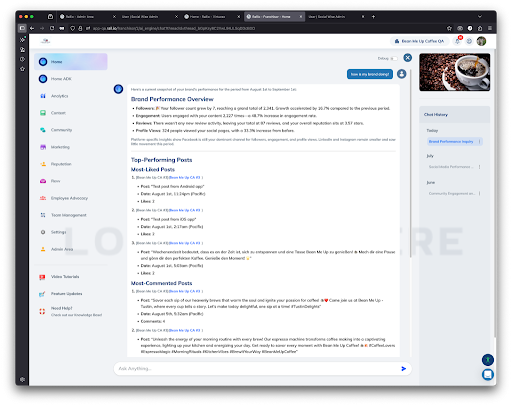
- Centralized content management: Rallio centralizes content management across all locations, so each location can customize its content without straying from your brand guidelines.
- Data-driven insights: The tool will help you understand engagement trends across locations. You can see which content resonates with different audience segments, which posting times generate the most interaction, and how your performance compares across markets.
- AI-powered messaging tools: This technology assists with content creation, ensures brand compliance, and helps you communicate more effectively with your marketing audiences. You get the efficiency of automation with the personalization your audience craves.
- Robust performance tracking: You can measure what’s working, identify opportunities for improvement, and adjust your strategy based on real results. This ongoing optimization ensures you’re always getting better at reaching and engaging your target audience.
When you combine audience insights with the right tools, you create a powerful marketing engine that drives consistent results across your entire brand footprint.
FAQs
1. What is a target audience in marketing?
A target audience in marketing is the specific group of people most likely to be interested in your products, services, or content. This group shares common characteristics such as demographics, interests, behaviors, or needs that make them targeted customers for your brand.
2. What’s the difference between a target audience and a target market?
A target market is the broader group of potential customers your business aims to serve. Target audience examples are more specific segments within that market you’re actively trying to reach with a particular campaign or message. For example, your target market might be “fitness enthusiasts,” while your target audience example for a specific campaign might be “women aged 25-40 interested in prenatal yoga.”
3. Why is defining a target audience important for social media marketing?
Defining your target audience is crucial for social media marketing because it determines what you post, where you post, and how you communicate. Social platforms offer powerful targeting tools, but they only work if you know who you’re trying to reach. Clear audience definition improves engagement, reduces wasted ad spend, and helps you create content that truly resonates.
4. How do multi-location or franchise brands define their target audiences?
Multi-location brands typically define both a core brand audience and location-specific audience variations. The core audience represents your targeted customer across all locations, while local audiences reflect the unique demographics and preferences of each community. Successful brands balance these layers by maintaining consistent brand messaging while allowing flexibility for local relevance.
5. Can your target audience change over time?
Absolutely! Your target audience can and should evolve as your business grows, market conditions shift, or consumer behaviors change. Regular audience research helps you stay current with who your customers are and what they need. The brands that thrive are those that continuously refine their understanding rather than relying on outdated assumptions.
Reach Your Target Audience with Rallio
Ready to connect with the right people at the right time? Rallio makes it easy to schedule content that speaks directly to your target audience across all your locations. Our platform helps you plan, create, and publish content when your audience is most active and engaged. You’ll save time, maintain consistency, and drive better results from your social media efforts.

Curren has been a Social Media Coordinator for the past two years at Rallio | Powered by Ignite Visibility. He has seven years of experience in the industry and is a graduate of The Ohio State University with a degree in Strategic Communications.
Curren partners closely with brands to craft content, campaigns, and strategies that showcase their unique voice while building authentic relationships with their communities. Passionate about maximizing brand impact through social media, Curren transforms ideas into campaigns that inspire engagement, spark conversation, and strengthen brand presence across digital platforms.