Choosing the best social media platforms for business is rarely a one-size-fits-all decision. When your brand operates across different markets with local teams, the decision gets even more complicated.
The right mix of tools depends on your social media goals. Whether you want to focus on local bookings, product discovery, recruits, commercial accounts, or franchise candidates will all make a difference in which platform works best for you
In this blog, Chanel Lapointe Allard, Social Media Manager, compares leading options, discuss the work needed to maintain each one, and leaves you with a shortlist of the best social media platforms for marketing your business.
Which Social Media Platforms Are Best for Multi-Location Businesses?
The short answer is it depends. The best social media platforms for business depend on who you want to reach, what action you want them to take, and what your local teams can realistically maintain.
For many multi-location brands, the practical move is to start with a short list matched to a specific use case. Even among the best social media sites, a platform that works great for a restaurant group may not work for a commercial services brand at all.
Let’s talk about where each channel tends to fit, so you can test the ones that match your goals.
- Facebook and Instagram: Two of the best social media apps for many consumer-facing brands, especially for local updates, events, and visual discovery
- LinkedIn: Good for professional audiences, including B2B buyers, recruiting, and franchise development
- YouTube: Good for long-form demonstrations and educational videos
- TikTok: A fit for short-form video and ecommerce brands
- Pinterest: Used as a search engine for planning, inspiration, and educational content
- Nextdoor: Relevant when local and neighborhood visibility matters
- Reddit: Worth considering for niche communities and brands
Expert Opinion
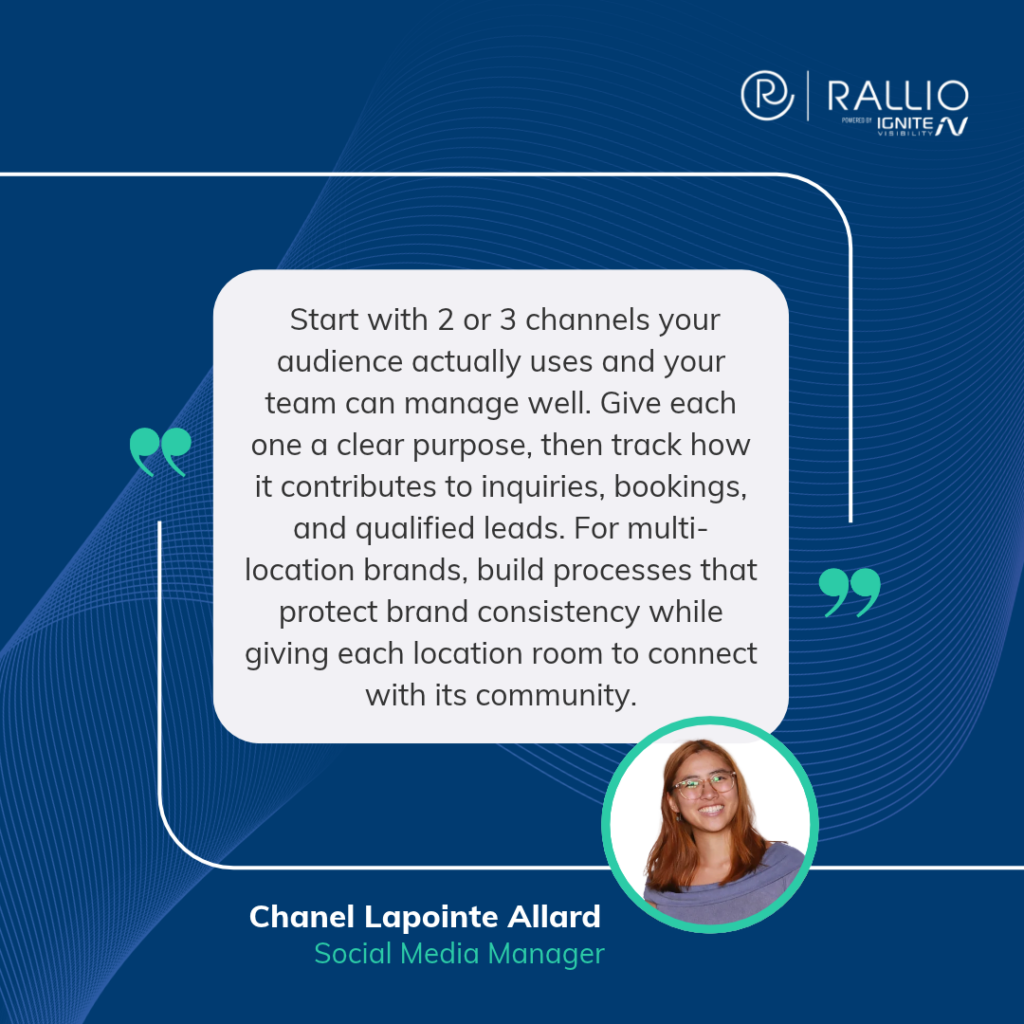
The best social media strategy for a multi-location business isn’t about being on every platform. It’s about knowing which channels can support your business goals and having the proper resources to manage them consistently. I’ve seen many brands spread themselves thin across too many platforms without any clear strategy, leaving their teams struggling to keep up and their content losing impact.
I recommend starting with two or three platforms based on where your audience is most active, what you want to accomplish, and what your team can realistically maintain.
It’s also important to distinguish between customer acquisition and franchise development. Reaching local customers requires a different approach than building relationships with prospective franchise owners. Your platform strategy should reflect that.
Once you’ve established your starting mix, give each channel a clear purpose and measure more than engagement. Look at how social activity contributes to inquiries, bookings, traffic, and qualified leads. For multi-location brands, having the right tools and processes in place to maintain brand consistency while allowing for local content is just as important as choosing the platforms themselves.
My biggest recommendation: Start with a strategy you can sustain, measure what matters, and let performance guide where you invest more of your time.
How to Choose the Right Platforms for Your Brand
The best social media platforms for marketing your locations come down to fit, not popularity. Before you commit to a channel, run it through these five questions:
- Audience presence: Are your customers, candidates, or buyers active there?
- Business objective: What do you want the channel to do for you? Bookings, leads, recruiting, or awareness?
- Local relevance: Can you make the content useful for the neighborhoods or markets you serve?
- Content capacity: Can your team produce and maintain the kind of content the platform requires to be successful?
- Ability to measure outcomes: Can you connect activity to inquiries, bookings, or pipeline?
Keep customer acquisition and franchise recruitment separate when you score these. A platform that helps a local gym reach new members may not be where prospective franchise owners do their research. Each audience needs its own message, content, and success measures.
Then start with a mix your team can sustain and expand after you’ve tested it. No single number of platforms fits every brand. A company with a dedicated social media team can support more channels than a location owner posting between appointments.
Audience size is a good starting point for this scoring, but it shouldn’t be the deciding factor.
The Most Used Social Media Sites Aren’t Always the Best Business Fit
If we look at the percentage of American adults who use each platform, the most used social media sites include:
- YouTube: 84%
- Facebook: 70%
- Instagram: 51%
- TikTok: 37%
- LinkedIn: 31%
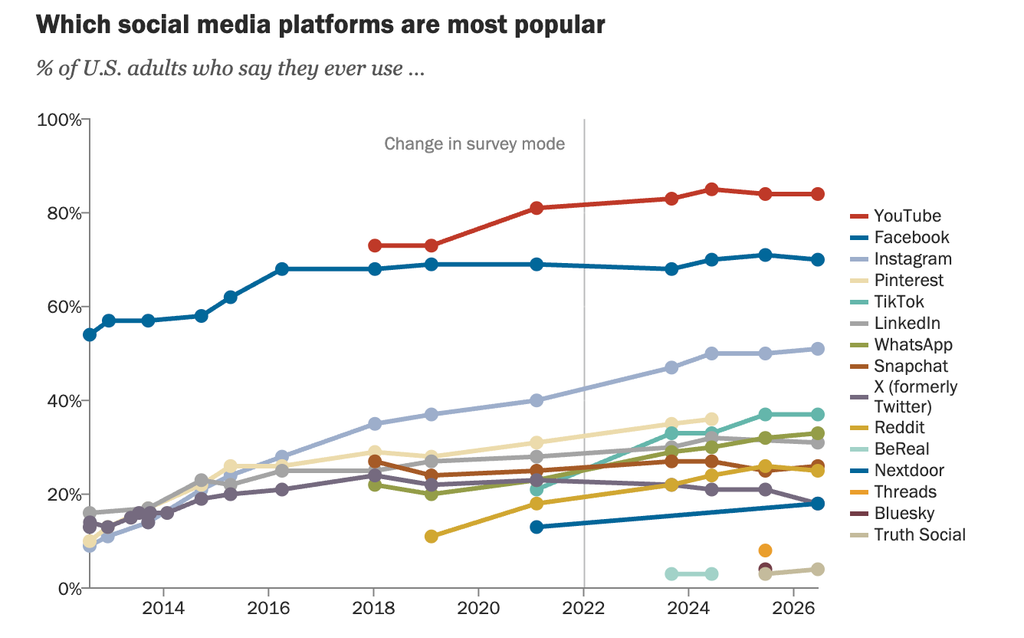
While these numbers show percentages, they don’t show monthly active users, purchase intent, or marketing ROI. A large audience shows where people spend time scrolling, but not necessarily whether they’re ready to book or buy.
That’s why even the best social media sites by reach can underperform for your brand. Use these numbers to confirm that your audience is likely to be present, then judge each platform on the criteria above.
8 Social Media Platforms to Consider for Your Business
Depending on your goals and audience, every platform could earn a place in your mix. But each one requires something different from your team, so it’s important to weigh your options.
These are the best social networking websites to evaluate for multi-location brands, compared on fit, effort, and when to skip them.
1. Facebook: Local Community and Customer Connection
Facebook is a good fit for brands that want to share location updates, events, customer questions, and community content. Local Pages make sense when staff can keep hours, addresses, and contact details accurate while consistently responding to messages and comments.
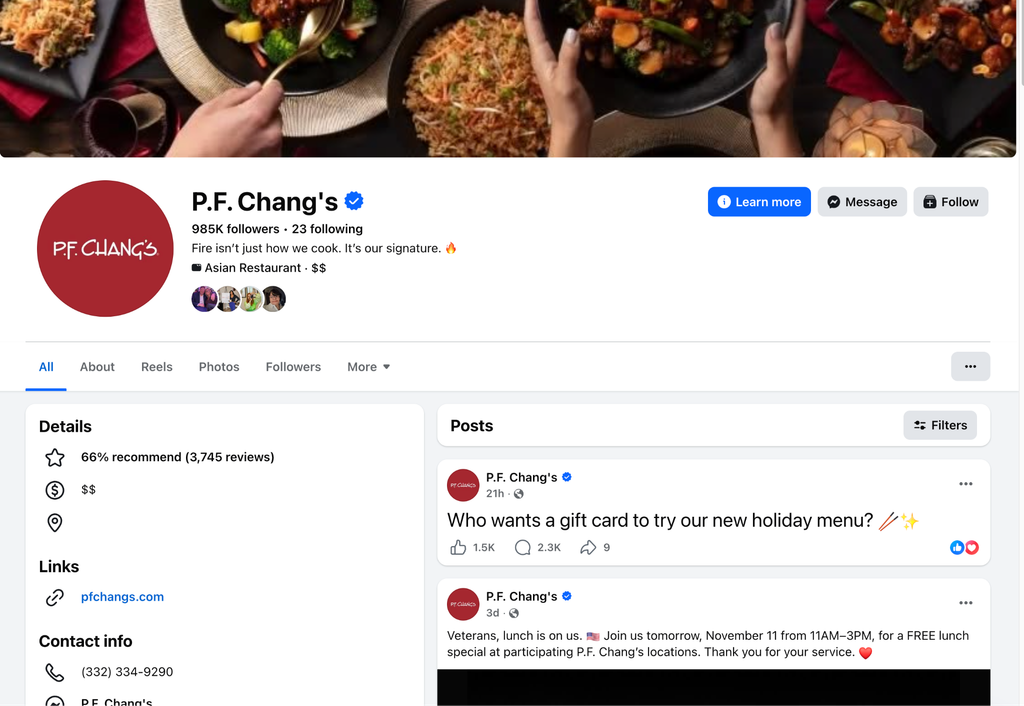
Organic publishing and paid targeting are separate jobs. On the paid side, Meta lets advertisers select locations in Ads Manager, including cities and postal codes, to reach people in specific areas.
Facebook is good for local reach, but you can’t assume a corporate post will automatically reach each location’s community. If no one can maintain a location’s Page or answer questions there, deprioritize it until someone can.
2. Instagram: Visual Discovery and Local Brand Personality
Instagram is great for brands that can show what a location looks and feels like. Reels, Stories, and carousels all fit, along with staff introductions, location tours, and customer content you have permission to share.
Location tags add context and can help people find you. Meta says ”any content with a location tagged can show up on the Instagram map”. That’s not a promise that nearby customers will see a post, but it can help.
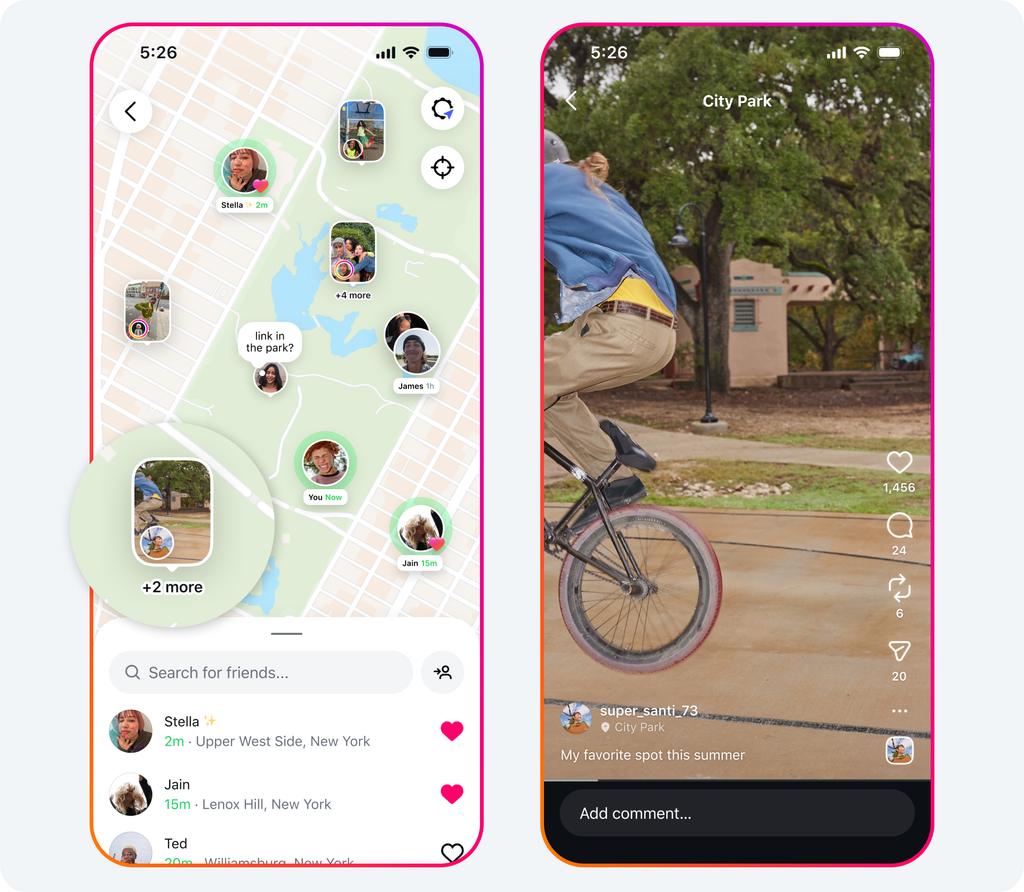
The real cost is fresh local visuals. Someone at each location has to capture photos and videos, get permission, and keep the content current. Deprioritize Instagram until a location has that person and a steady supply of new material.
3. LinkedIn: B2B Marketing and Franchise Development
LinkedIn is a strong candidate for B2B marketing because its advertising platform offers targeting options based on professional attributes, including job titles, seniority, industry, and company.
These options can help businesses reach relevant decision-makers, although professional targeting alone doesn’t establish purchase intent or buying authority.
LinkedIn covers three goals that each need their own content:
- Commercial customer acquisition: A commercial cleaning brand can explain a verified operating process for facilities managers
- Executive expertise: Leaders can share what they know about the industry
- Recruiting and franchise development: Open roles and franchise opportunities reach people who are thinking about their careers and next ventures.
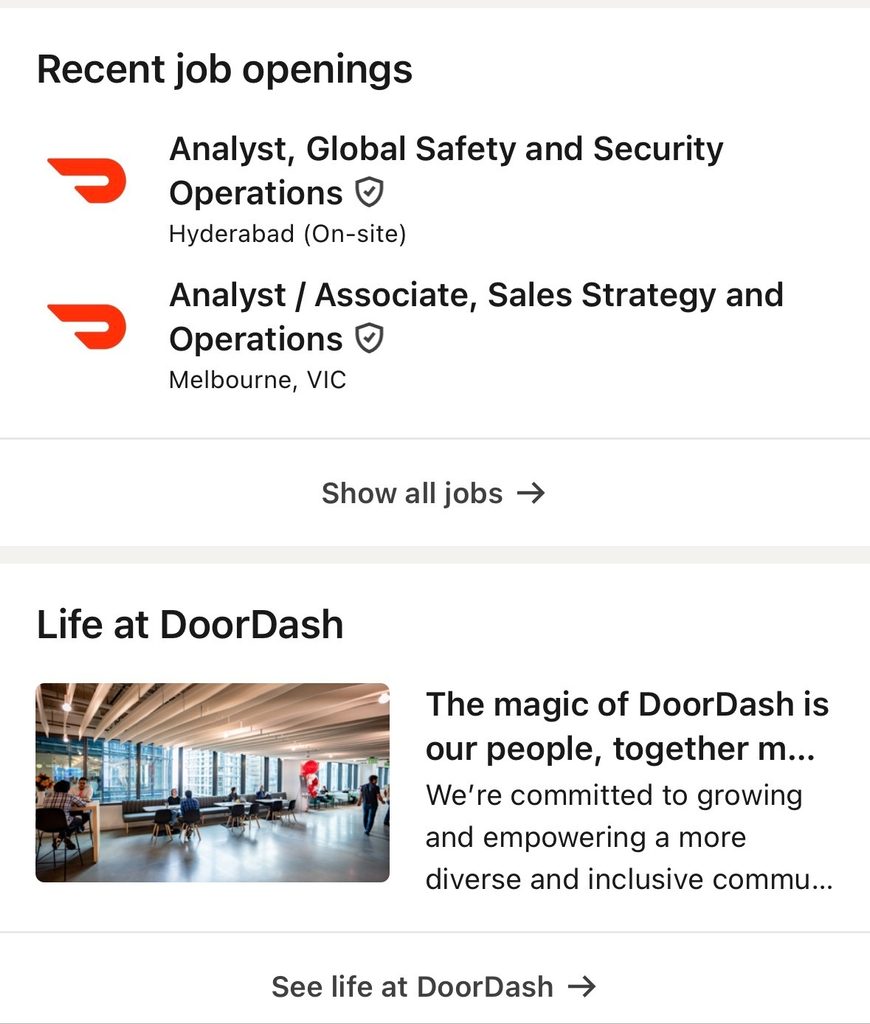
When using LinkedIn, keep your expectations realistic. A job title doesn’t tell you whether someone is a qualified franchise buyer or decision-maker. Deprioritize it if you can’t name the professional audience you want to reach.
4. YouTube: Demonstrations, Educational Content, and Detailed Answers
If you want to show customers how something works before they buy, YouTube might be the perfect place. How-to videos, service explanations, answers to common customer questions, and location or owner stories all belong here.
Shorts and long-form video content do different jobs. A Short is great for quickly introducing a topic, while a longer video is needed to provide detail. YouTube’s own guidance shows how to link a Short to a related long-form video, so viewers have a clear next step.
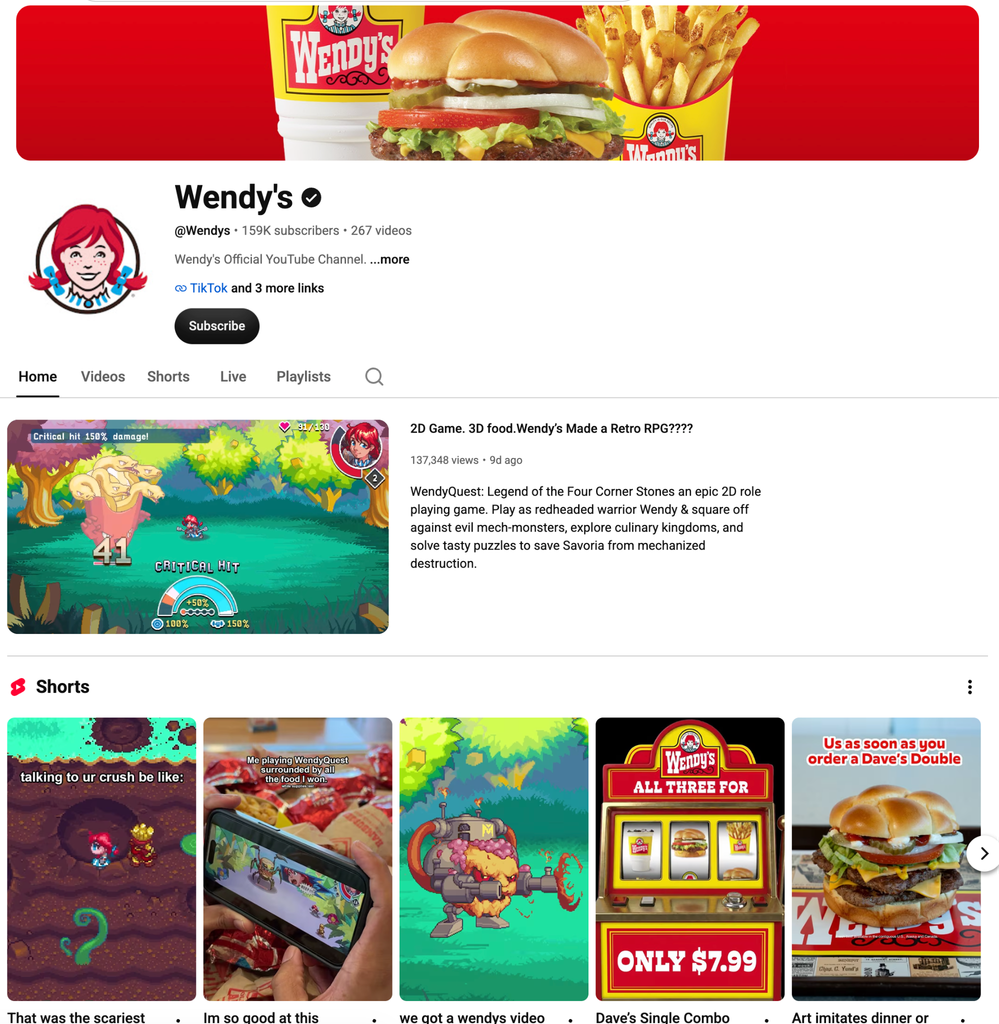
Before you create a channel for every location, consider a central channel with organized local content. Playlists by service area work great.
Video content takes more effort than a photo or text post, so factor in production, editing, and ongoing maintenance when you weigh the workload. Deprioritize YouTube if you can’t produce video at a steady, useful pace.
5. TikTok: Video Discovery and Employee-Led Stories
If you have an active audience and your team can produce short-form video content regularly, consider TikTok. Demonstrations, useful tips, and behind-the-scenes content all work well here.
When working with TikTok, make sure you’re clear about what each kind of exposure can do. Organic videos can reach a broad audience, but views from across the country don’t show whether nearby people are watching.
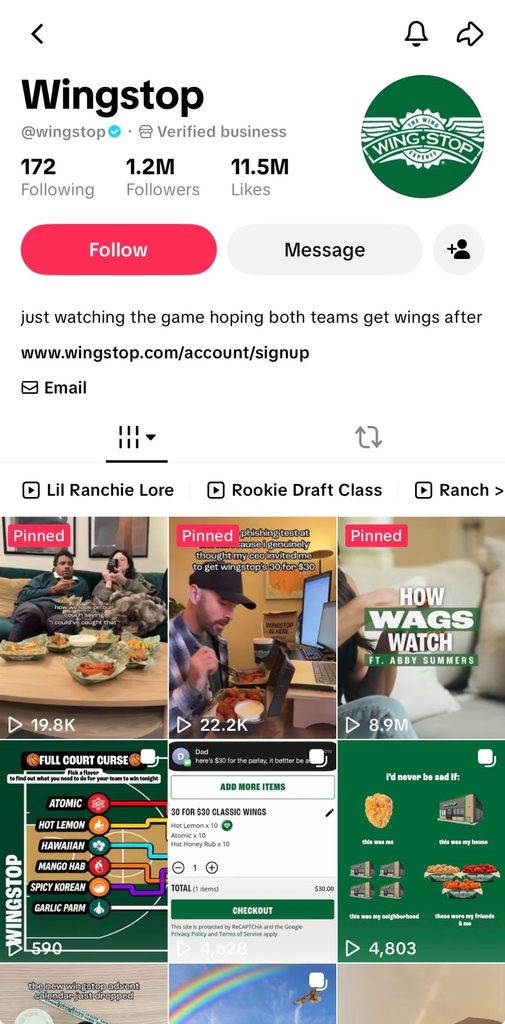
On the paid side, TikTok says, “location targeting is based on varying signals, so delivery and accuracy aren’t guaranteed in every situation.” Don’t treat views as a stand-in for nearby customers or store visits.
Before you hit publish on your next TikTok video, check these two things:
- Music permissions: Confirm you have the rights to any commercial music in a business account’s videos.
- Regional availability: Verify that the platform and its features are currently available in each market.
Deprioritize TikTok if your team can’t film or edit regularly, or if your customers aren’t on the platform.
6. Pinterest: Planning, Inspiration, and Visual Consideration
Pinterest works more like a search engine than a social media platform. It works well for brands whose content people can plan around, such as remodeling, home organization, beauty, events, travel, and food.
Pinterest says people use it to browse for information, shop for products, or learn new skills. This is great for businesses with consideration journeys and longer buying cycles.
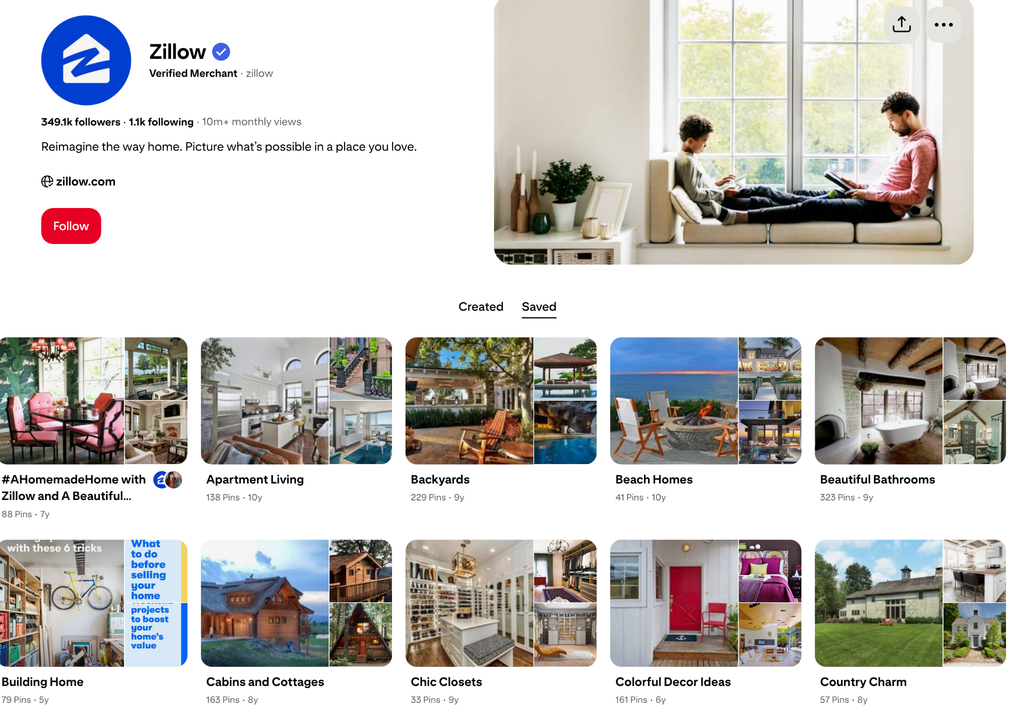
To make it work for you, you’ll need:
- Useful destination pages: Each Pin should lead to a page that answers questions and shows where you serve customers.
- Reusable visual assets: Project photos, checklists, and graphics can be reused across Pins, so you don’t need fresh content for every post.
Pinterest also supports paid options, including ads and shopping tools. Treat them as a later test, after your organic content and landing pages are working.
Deprioritize Pinterest if your offer isn’t something people research or plan ahead, or if you don’t have strong content to point it to.
7. Nextdoor: Neighborhood Visibility and Local Recommendations
Nextdoor is worth trying for home services, local retail, restaurants, and other businesses that depend on neighborhood trust.
Businesses can claim a free Business page and share free posts in the neighborhood newsfeed. However, you’ll need to put in the work to keep that page accurate and contribute useful local information instead of constant promotion.
Nextdoor also offers paid ads. Its Local Deals tool lets businesses target the specific neighborhoods they want to reach. Treat this as a separate test from your organic posting, with its own budget and results.
Don’t assume every territory offers the same opportunity. Check availability and activity in each market before you commit.
Deprioritize Nextdoor where neighborhood conversation is thin or no one can respond to neighbors’ questions.
8. Reddit: Niche Insights and Relevant Participation
Reddit is the most work-intensive channel on this list. But that’s because it’s a very different type of opportunity.
This platform is less of a place to publish and more of a place to listen. Recurring questions in the communities your customers read can show you what they’re confused about, what they compare, and what they wish a brand would explain better.
Brands can also join the discussion, if community rules allow it. Its guidance is to be transparent about your affiliation and follow the 90/10 rule. This means your participation should be 90% non-promotional and 10% brand messaging.
The workload is the main cost. Someone has to learn each community’s rules, read the conversations, and reply thoughtfully. Avoid mass promotional posting, fabricated recommendations, and treating Reddit as another automatic distribution channel.
Deprioritize it if no one on your team can commit to that kind of ongoing, hands-on participation.
What About Snapchat, X, Threads, and Messaging Apps?
The eight platforms above are a lot to sort through, but they aren’t the only ones that could be on your radar. Snapchat, X, Threads, and select messaging apps might also earn a place in your mix, but only when your own evidence supports it.
Popularity alone isn’t a reason to add it to your list. But you might want to consider them for customer research reasons, if conversations are already happening there, or if specific campaigns require you to be active there.
To keep the story short, the best social media apps for your brand are the ones your customers already use to find and engage with you.
Keep those two jobs separate. Messaging-led customer communication, such as answering questions in private chats or responding to comments, is service work. Public content discovery is publishing work. Each job has different staffing needs and measures of success. Check each platform’s current features before you plan execution, since they can change often.
Where Google Business Profile Fits In
Google Business Profile isn’t a conventional social network, but it still belongs in your local marketing plan. It supports your visibility on Google Search and Google Maps, where customers often look for hours, directions, and reviews before they visit.
Think of your Google Business Profile as a companion to your social channels. Your social activity builds familiarity, and your profile gives people accurate details when they’re ready to act.
Keep the basics consistent across all channels. This includes accurate location information, a plan for responding to reviews, and relevant updates that match what you share on social media.
Eligibility matters, too. Google’s guidelines say a business must have in-person customers during its stated hours to qualify for a profile. Don’t create a profile for every territory by default. Confirm that each location meets Google’s rules first.
Recommended Platform Shortlists by Business Type
Once you’ve looked at the individual platforms, a shortlist helps you decide where to start. The table below pairs common business types with initial platforms to evaluate, a supporting channel, and the reasoning behind each pairing. It’s a great place to start your own research.
Remember, your own audience research, local competition, and team capacity should override any row. If your customers behave differently, change the list. The best social media platforms for marketing your locations are the ones you’ve tested and can keep up.
| Business Type | Initial Platforms to Evaluate | Supporting Channel | Reasoning |
| Restaurants | Facebook, Instagram | Test TikTok | Events and reservation details work on Facebook; menu visuals are good for Instagram; kitchen stories can be tested on TikTok. |
| Home Services | Evaluate Nextdoor and YouTube | Neighborhood trust and customer questions come first. Video can explain what a visit includes. | |
| Fitness and Beauty | Instagram, Facebook | Test TikTok | Staff introductions and “what to expect” content are easy to show visually |
| Visual Home Projects | Instagram, Pinterest | Support with YouTube | Project photos and planning ideas fit these platforms, and video adds step-by-step detail |
| B2B Services | YouTube | LinkedIn is the leading candidate for the best social media platform for b2b marketing | |
| Franchise Development | YouTube | Prospective owners research opportunities carefully, so keep this separate from customer-facing social media content |
Should Every Location Have Its Own Social Accounts?
Not always. A local account earns its upkeep when four things are true:
- Distinct customer needs: The market differs enough that customers need different information
- Local staff or events: There are real people and news to feature
- Enough content: The location can post often enough to stay relevant
- A responsible owner: One named person is accountable for the account
If a location can’t meet those tests, consider a centralized channel. It works well for shared expertise and resource-intensive video, such as one YouTube channel for the whole brand. Regional accounts are a good middle ground when nearby locations share an audience and team.
Whichever structure you choose, settle governance before you launch. This includes:
- Ownership: The brand, not an individual employee, should own each account
- Access permissions: Give each person only the access their role needs
- Response responsibilities: Name who answers comments and messages and how quickly they should be doing it
- Transitions: Decide what happens to an account when a location closes or an operator leaves
Separate accounts also raise a brand question: how do you keep every location on message while letting each one sound local?
Keep the Brand Consistent While Making Content Local
The simplest way to balance the two is to decide in advance which parts of a post are fixed and which each location can edit.
Here is one example of localized social media publishing for a fictionalized spring promotion for a fitness brand:
Fixed by corporate:
- The approved campaign message and offer terms
- The core visuals, logo, and brand colors
- Required legal or disclosure language
Editable by each location:
- Class availability and start dates
- A photo of a local instructor or team member
- Event details, such as an open house
- The location’s own booking link
Corporate supplies the approved message and assets according to your brand guidelines. Each location then fills in the details that only it knows, so every post stays recognizably on brand while still feeling local.
How to Test Your Platform Mix
A short pilot tells you more than a long debate. Here’s how to run your test in five simple steps:
- Select representative locations: Pick a few that reflect your range of markets, team sizes, and customer types
- Choose one business goal: Local bookings, qualified B2B inquiries, or franchise candidates. Don’t test all three at once.
- Establish a baseline: Record current inquiries, bookings, or visits before you change anything
- Assign owners: Name who creates content and who responds to comments and messages
- Set a review date: Decide in advance when you’ll look at results and what would make you expand or stop
Keep paid and organic results separate, so one doesn’t hide the other. Count staff time and production costs, too, because a channel that looks cheap in ad spend can be expensive in hours.
Give the test enough time to cover your real buying journey. A short campaign may show engagement patterns well before it produces reliable sales evidence.
Measure Business Results By Location
Match each metric or KPI to the job the channel is doing:
- Local acquisition: Qualified inquiries, bookings, purchases, and acquisition cost where you can measure it.
- B2B: qualified opportunities and pipeline
- Franchise development: Qualified candidate progression
- Content: Relevant engagement and website visits
Use tagged links, location-specific landing pages, and CRM records where available. Don’t compare raw views across platforms as if they meant the same thing or carried the same business value.
How Rallio Helps Manage The Best Social Media for Business
After you’ve chosen your channels, the work shifts to running them consistently across locations. Rallio is built for that workflow.
Corporate teams can store brand guidelines in Rallio’s AI Playbook and create brand-approved content. Locations can then customize these posts with their own details.
Rallio’s social media scheduler lets you plan and publish to one location or many from a single dashboard, with a content calendar to keep the teams aligned. It supports some of the best social media apps, including:
- X
- TikTok
- Google Business Profile
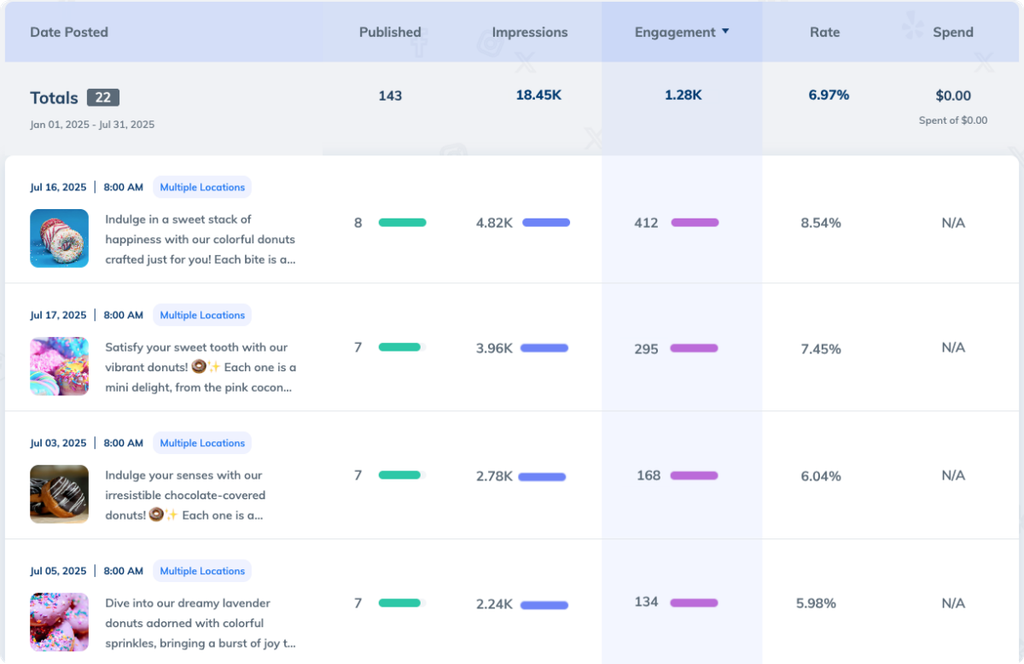
Per-location analytics will also give you insight into whether your pilot is working or not. That makes it easier to run social media for businesses with many locations without losing sight of what each one is doing.
FAQs About the Best Social Media for Businesses
- What is the best social media platform for B2B marketing?
LinkedIn is the strongest candidate for B2B marketing. It allows you to identify buyers by role, industry, or company. You can pair it with YouTube to post educational video content. - Which social media apps should a franchise start with?
Start with your audience and goals. Consumer-facing franchises often do well on Facebook and Instagram. Franchise development usually starts with LinkedIn and YouTube. Add channels only once your first mix is up and running well. - How many platforms should a multi-location business use?
There’s no set number of platforms to try. Use as many as your team can maintain with useful, accurate content. Two well-run channels will usually serve you better than five neglected ones. - Should every franchise location have separate accounts?
Only when a location has distinct customer needs, local staff or events, enough content, and a responsible owner. Otherwise, consider a centralized or regional account. - Can we publish the same content across platforms?
You can reuse the core idea, but adapt the format, length, and tone for each platform. A Reel, a LinkedIn post, and a Pinterest Pin each need their own treatment. - Are the most used social media sites always the best for marketing?
No. Usage shows where people spend time, but not where they’re going when they’re ready to book or buy. Judge each platform on audience fit, your goals, and your team’s capacity.
Choose the Best Social Media Sites for Your Business
The best social media for business isn’t the platform with the biggest audience. It’s the one that fits your customers, goals, and the time your local teams can dedicate to it. A smaller, well-run mix will serve you better than a long list of neglected accounts.
Before you launch, take these three actions:
- Choose the audience and goal: Decide who you want to reach and what you want them to do, whether that’s booking, buying, or inquiring.
- Shortlist suitable channels: Match 2 or 3 platforms to that goal, then test them with a pilot before you expand.
- Assign ownership: Name who creates content, who responds, and who reviews results at each location.
Your platform shortlist is only the start of your research. See how Rallio can help your locations turn approved ideas into a consistent publishing routine.