
Imagine walking into your favorite coffee shop in a new city and feeling right at home because everything, from the logo on the cup to the friendly greeting, is familiar. That’s the power of strong brand guidelines at work.
In this blog, Cortney DeGruccio, Senior Account Specialist, will explain why maintaining your brand guidelines and staying consistent at every opportunity isn’t just nice… it’s essential for success.
What You’ll Learn:
- What Are Brand Guidelines?
- Why Brand Guidelines Matter
- Core Elements of Brand Guidelines
- How to Create and Implement Brand Guidelines
- How Rallio Supports Brand Guidelines
- FAQs
Expert Opinion on Brand Guidelines
Brand guidelines are the set of rules and standards that define how your brand looks, sounds, and presents itself across every platform and touchpoint. Think of them as an instruction manual that ensures everyone representing your brand does it in a way that customers recognize and trust.
In our digital, multi-platform world, your brand will appear on Instagram, Facebook, Google, your website, email campaigns, printed materials, and more… all in the same day. Without clear guidelines, you risk your brand being misinterpreted. This creates confusion that can weaken your overall impact.
This challenge becomes even more critical for multi-location businesses and franchises, where different people create content under your brand name. Brand standards ensure that whether a customer encounters your brand in Seattle or Miami, online or in-store, they have the same quality experience.
What Are Brand Guidelines?
Brand guidelines, sometimes called a brand guide or brand standards document, serve as the official rulebook for how your brand presents itself to the world. They cover everything from the exact colors in your logo to the tone of voice you use in social media posts.
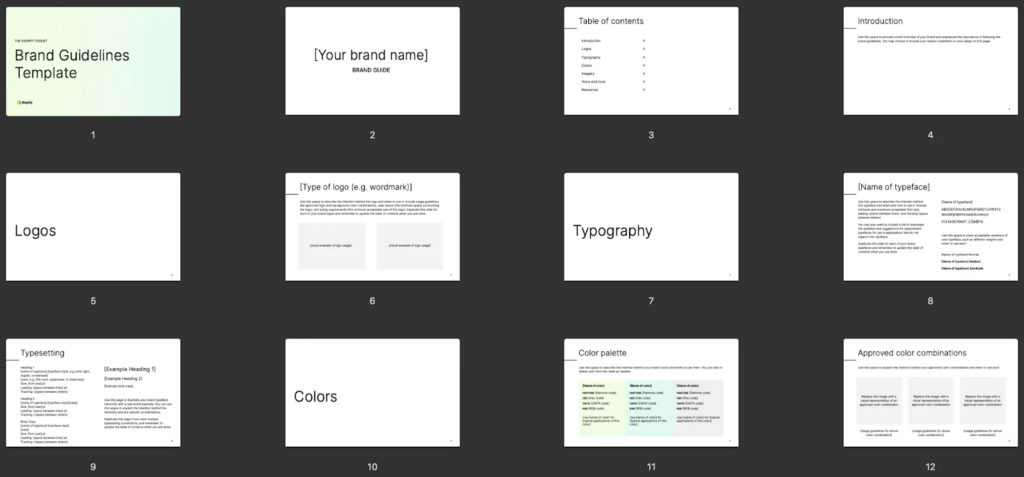
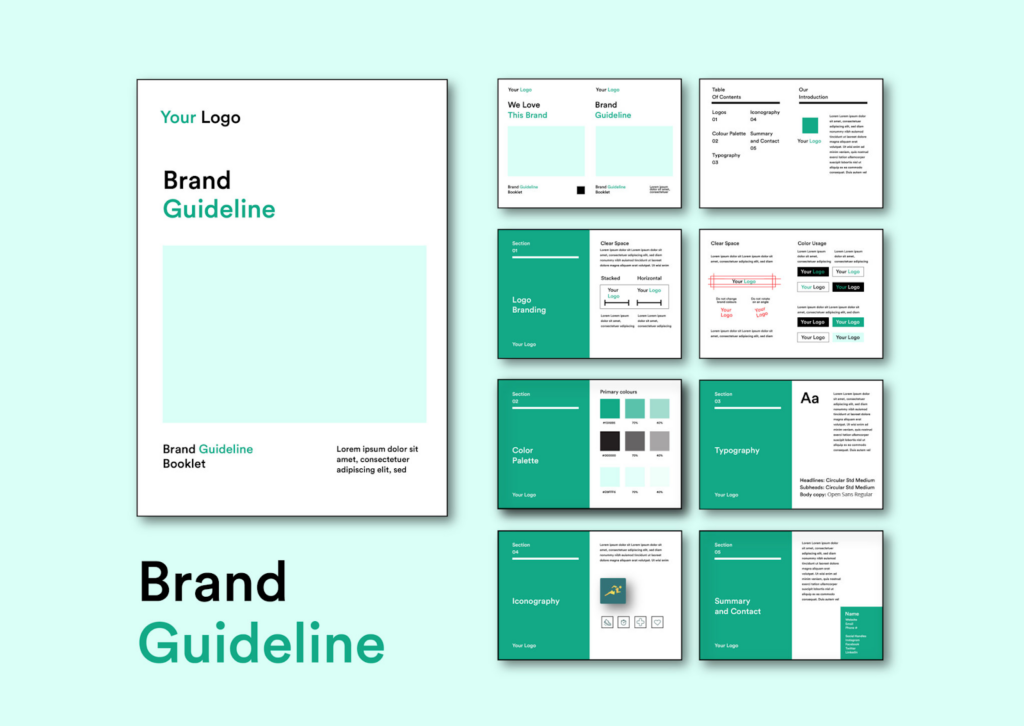
A comprehensive brand guide typically includes several key components:
- Visual Identity: Defines your logo variations, color palette, typography, imagery style, and any graphic elements that make your brand recognizable.
- Brand Voice and Messaging: Establishes the personality that comes through in your words, the values you stand for, and how you communicate with different audiences.
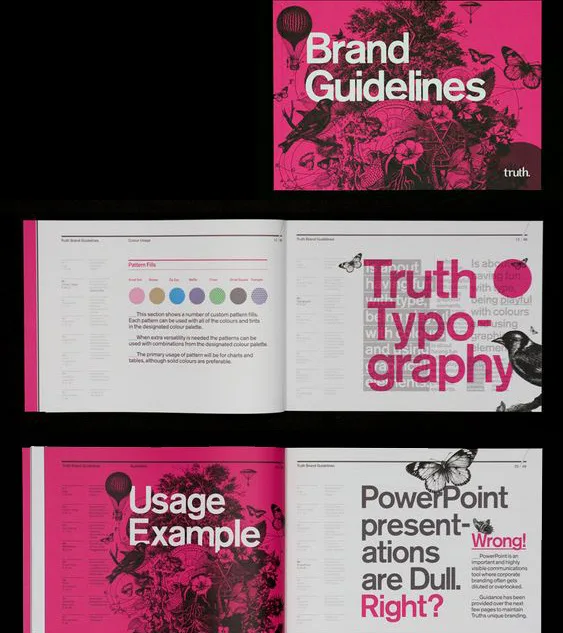
- Practical Usage Rules: Shows the right and wrong ways to use your brand elements so nothing looks off-brand or unprofessional.
Brand guidelines are the difference between a brand that looks polished and professional versus one that appears disorganized and unreliable. Studies have shown that consistent brand presentation across all platforms increases revenue by up to 23%. That’s a significant return on investment for simply staying consistent!
Why Brand Guidelines Matter
Developing brand standards is vital to establishing a strong brand identity. Here are some reasons why:
Build Recognition and Trust
It takes 5 to 7 impressions for people to remember a brand. When your audience sees the same colors, logos, and styles repeatedly, they start to recognize your brand. If your brand looks different every time someone encounters it, you’re essentially starting from scratch with each impression rather than building on previous ones.
Support Consistent Communication
Your brand’s message matters just as much as its visual appearance. Brand guidelines establish a consistent voice and messaging framework that ensures your brand personality shines through whether someone reads an email, visits your website, or scrolls past your social media post.
Help Teams Create Content Faster and More Accurately
Without clear guidelines, content creators face constant decision-making: Which logo version should I use? What colors are approved? How formal should this caption sound?
These questions slow down content creation and often lead to inconsistent results. Brand guidelines eliminate guesswork by providing clear answers to these questions. This is especially valuable for multi-location businesses where multiple people create content simultaneously across different markets.
Protect the Brand from Inconsistencies or Misuse
Your brand is one of your most valuable business assets. Just like you’d protect physical property, you need to protect your brand from dilution or misuse. This protection ensures that your brand maintains its integrity and professional appearance across all uses.
Create a Stronger, More Unified Brand Presence
When all your marketing materials, locations, and digital platforms align with your brand identity, you create a powerful unified presence. This makes your brand appear more professional, established, and trustworthy… qualities that directly influence consumer spending decisions.
Improve Customer Perception and Trust
Ultimately, all these benefits combine to improve how customers perceive and trust your brand. Consistency signals reliability, professionalism, and attention to detail. When customers know they’ll receive the same quality experience regardless of which location they visit or which platform they engage with, their trust in your brand deepens.
Core Elements of Brand Guidelines
Creating effective brand guidelines means covering all the essential elements that define your brand identity. Here are the core components every comprehensive brand guide should include.
Visual Identity
Your visual identity encompasses all the visual elements that make your brand recognizable. This section of your brand guidelines should include:
- Logo Specifications: Include all approved logo versions, minimum size requirements, clear space rules, and examples of incorrect usage.
- Color Palette: List your primary and secondary brand colors with exact color codes for print (CMYK and Pantone) and digital (RGB and HEX) applications.
- Typography: Identify approved fonts for headings, body text, and digital platforms, including web-safe alternatives when necessary.
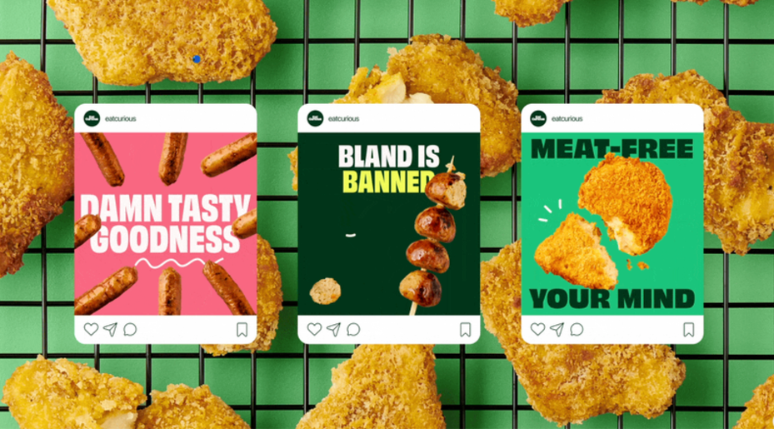
- Imagery Style: Create guidelines for photography and graphics, including preferred subjects, composition styles, filters, and the overall mood or aesthetic.
- Graphic Elements: Don’t forget any patterns, icons, illustrations, or design elements that are part of your visual identity.

Messaging and Tone
Your brand voice is how your brand’s personality comes through in words. This section establishes how your brand communicates across different contexts:
- Brand Voice Attributes: Define 3-5 key voice attributes with clear descriptions.
- Tone Variations: How does your voice adapt to different situations?
- Key Messages: Include core statements about what your brand stands for, what makes you unique, and the value you provide.
- Vocabulary Guidelines: Identify words and phrases to use and ones to avoid.
- Grammar and Style Preferences: Make clearer decisions about capitalization, punctuation, abbreviations, and formatting.
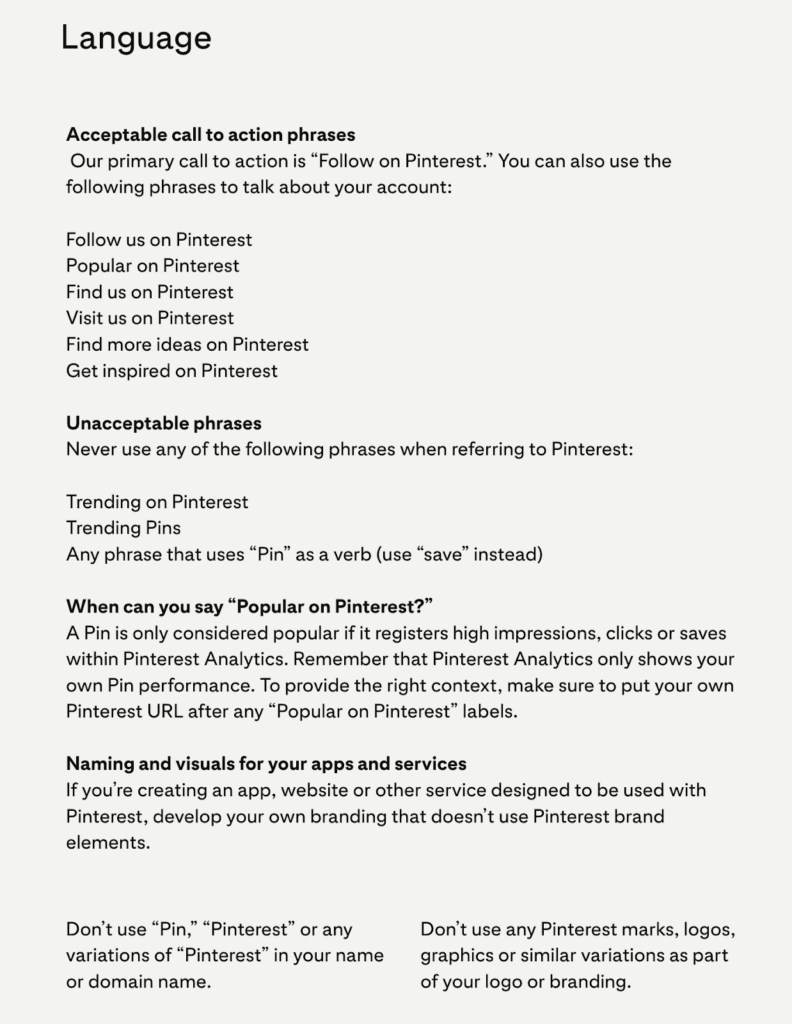
Asset Usage Rules
Clear usage rules prevent well-intentioned mistakes that can damage your brand identity:
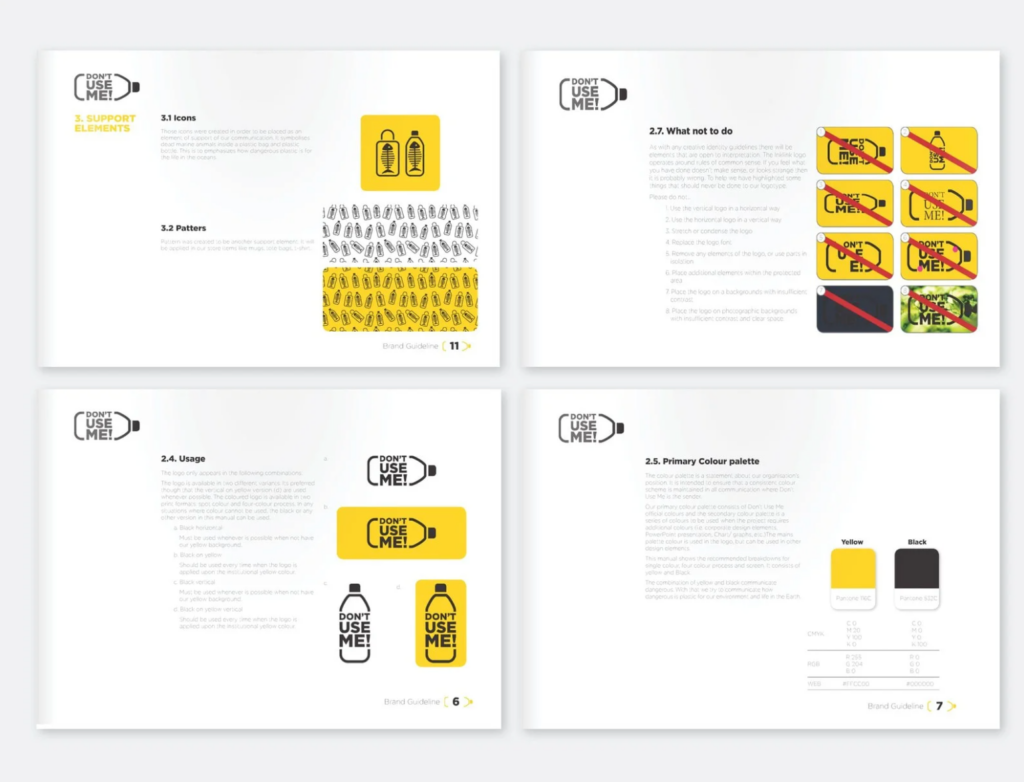
- Dos and Don’ts: Include visual examples showing correct and incorrect ways to use your logo, colors, and other brand elements.
- Application Guidelines: Explain how brand elements should appear on different materials.
- Partner and Co-Branding Rules: List guidelines for when your logo appears alongside other brands or sponsors.
- Legal and Trademark Information: Highlight proper trademark symbols and legal language when required.
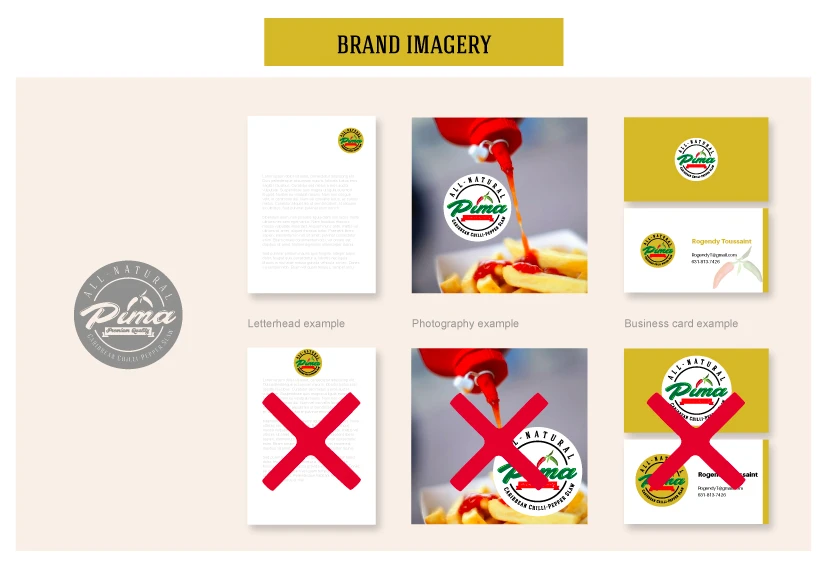
Guidelines for Digital and Social Content
Don’t forget the guidelines for digital content, including:
- Social Media Voice and Style: Include platform-specific guidance (LinkedIn might be more professional, while Instagram might be more visual and casual).
- Profile and Cover Photo Standards: Ensure consistency across all social platforms.
- Content Types and Formats: Implement guidelines for different content formats like Stories, Reels, posts, or videos.
- Response Templates: Approve language for common customer interactions or frequently asked questions.
How to Create and Implement Brand Guidelines
Understanding how to create a brand guide might seem overwhelming, but breaking the process into clear steps makes it manageable.
Define the Foundation
Start by clarifying the core elements that drive your brand, such as your mission, values, and brand personality. Think about your target audience and what matters to them. Your brand foundation should reflect the true heart of your organization.
Document Visual and Verbal Guidelines
Once your foundation is clear, determine the specific standards that bring your brand to life. Work with designers to finalize your visual identity elements, such as a logo, colors, fonts, and imagery style.
Next, work with your communications team to define your brand voice, key messages, and tone variations. Be as specific as possible. The more detailed your documentation, the more useful your guidelines become.
Provide Clear Examples
Abstract rules are hard to follow. Make your guidelines practical by including plenty of brand guideline examples, such as:
- Showing approved logo uses and incorrect uses side-by-side.
- Providing sample social media posts that demonstrate your brand voice.
- Including examples of on-brand photography versus off-brand imagery.
- Creating mock-ups showing how your brand should appear on different materials.
Centralize Everything in an Accessible Location
Your brand guidelines only work if people can find and use them easily. Create a central, accessible location where everyone who needs the guidelines can access them anytime.
Train Internal Teams, Franchisees, or Partners
Once your brand guidelines are created, share them with your team. Conduct training sessions for internal teams, franchisees, and marketing partners, where you walk through the guidelines together.
Help people understand that brand guidelines aren’t restrictions but tools that make their work easier and more effective. For multi-location brands, this training is especially critical because it empowers many different people to represent your brand consistently.
Share Resources and Templates
Make following the guidelines as easy as possible by providing ready-to-use resources, such as:
- Templates for common materials such as social media graphics, email newsletters, presentations, and flyers
- Access to logo files in various formats
- Approved stock photo collections or graphic elements
Set Up an Approval Process or Point Person
Establish a clear system for reviewing content before it goes live, especially for high-visibility or permanent materials. For larger organizations, create a tiered approval system: routine content gets quick approval, while major campaigns receive more thorough review.
Having this accountability ensures that brand standards are consistently maintained rather than gradually diluted.
Encourage Consistent Adoption
Building a strong brand culture takes time and consistent reinforcement. Regularly remind teams why brand consistency matters and how it contributes to business success. The more you reinforce the value and importance of brand standards, the more naturally they’ll be adopted across your organization.
How Rallio Supports Brand Guidelines
For multi-location businesses and franchises, maintaining brand consistency across dozens or hundreds of locations presents unique challenges. This is exactly where Rallio’s platform delivers powerful solutions that make brand standards not just possible but effortless.
Tools That Help Multi-Location Brands Stay Consistent
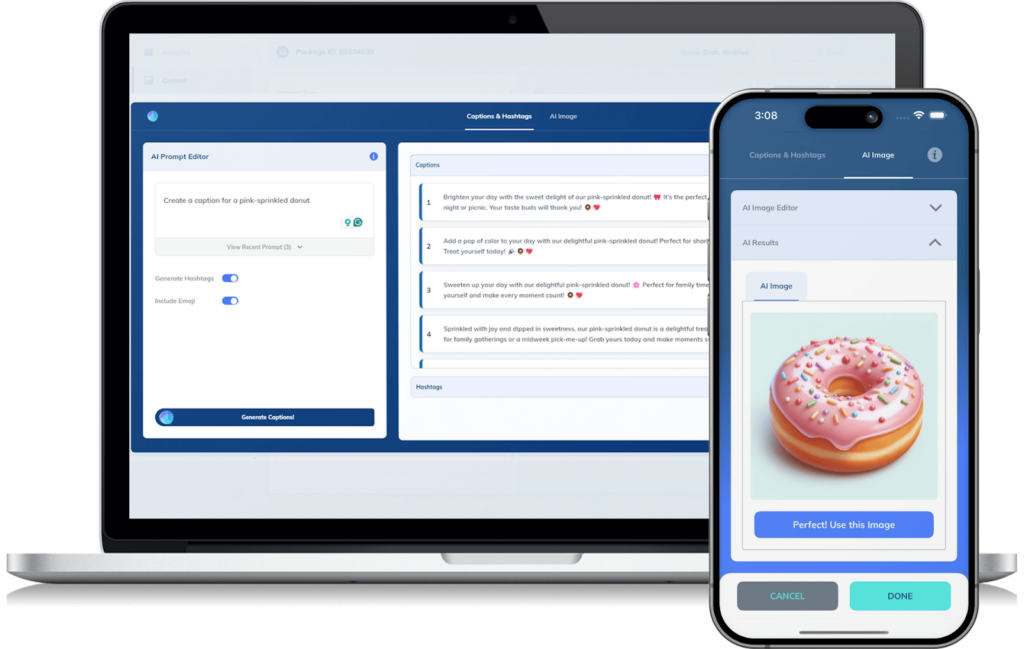
Rallio provides purpose-built tools explicitly designed for the challenges multi-location brands face. Rather than giving every location complete freedom or controlling everything from corporate office, Rallio creates the perfect balance. The platform enables brand consistency while allowing for local customization.
AI-Driven Content That Follows Brand Voice and Visual Rules
One of Rallio’s most powerful features is AI-generated content that automatically follows your established brand guidelines. By training the platform on your specific brand voice, messaging frameworks, and visual standards in the AI Playbook, Rallio can generate social media posts, captions, and content that sound authentically like your brand.
Localized Content That Stays On-Brand
Multi-location brands need content that feels locally relevant while maintaining overall brand consistency. Rallio enables this through innovative localization features that let locations customize approved content with local information, events, and promotions, while keeping the core brand elements intact.
FAQs
1. What are brand guidelines?
Brand guidelines are a set of rules that explain how your brand should look, sound, and be presented across all platforms and materials. It’s a list of specifications like your logo, colors, fonts, messaging style, and how to use these elements correctly. These guidelines ensure everyone representing your brand creates consistent, professional content.
2. Why are brand guidelines important?
Brand guidelines ensure your brand appears consistent everywhere, which builds customer recognition and trust. Without clear guidelines, your brand’s look could vary, confusing customers and weakening your professional image.
3. What should be included in brand guidelines?
Your brand guidelines should include your visual identity (logo, colors, fonts, imagery style), your brand voice and messaging rules, and clear examples of correct and incorrect usage. They should also cover guidelines for digital and social media content, along with templates and resources that make creating on-brand content easy.
4. How do I make sure my team follows brand guidelines?
Train your team on the guidelines, make them easily accessible in a central location, and provide ready-to-use templates and resources. Make it easy for them to access and use the assets and regularly reinforce why consistency matters through positive examples and gentle corrections.
Stay On-Brand with Rallio
Brand guidelines aren’t just nice-to-have documents that sit in a folder somewhere. They’re essential tools that protect your brand, build customer trust, and drive business results.
Ready to strengthen your brand consistency and make your brand guidelines work harder for your business? Rallio provides the tools and support multi-location brands need to stay on-brand, every time, everywhere.
Your brand deserves to be presented at its best. Let Rallio help make that happen.

Cortney is a Senior Account Specialist at Rallio and has spent the past two years helping multi-location brands level up their social media, reputation, and local engagement strategies. She’s all about making marketing feel simple, creative, and actually enjoyable for the clients she works with.She graduated from Cal State Fullerton with a bachelor’s in Communications and has been obsessed with all things digital and social ever since. Born and raised in Orange County, Cortney brings a laid-back, people-first style to her work and loves building real relationships with the teams she supports.