
AI-powered search tools like ChatGPT, Gemini, and Perplexity have changed the way people find and connect with information. Now, when you search, you don’t get a list of organized blue links. Instead, AI is generating answers. If you want to be visible, you need to find your way into those blurbs.
The good news? You don’t have to recreate the wheel. AI is now using your social media presence to shape those results. Your posts, captions, reviews, and comments are feeding the machine. For multi-location brands, especially, your social presence is a direct factor in whether AI surfaces your brand or skips it entirely. In this blog, Tyler Phillips, Creative Marketing Manager, will break down exactly how social media fuels AI visibility, and what that means for your brand.
What You’ll Learn:
- The Shift from Traditional SEO to AI Search
- Why Social Media Is Now a Search Signal
- How Social Media Directly Impacts AI Search Results
- The Indirect Impact of Social Media on AI Visibility
- How Social Media Is Reshaping Local & Multi-Location Search
- What This Means for Multi-Location Brands
- How to Optimize Social Media for AI Search
- How Rallio Helps You Show Up in AI Social Media Search
- FAQs
Expert Opinion on How to Appear In AI Search Results
Marketers and SEO experts who’ve been paying close attention to AI search behavior largely agree: the brands winning with AI-generated results are the ones building consistent, contextually rich digital presences across the internet.
AI models now favor brands with broad, consistent signals spread across multiple platforms. That means showing up regularly, talking about the right topics, earning third-party mentions, and staying active enough that AI systems view your brand as a credible, current source of authority on what you do.
AI seeing you as an authority is your ticket to landing in those sought-after AI-generated summaries.
The Shift from Traditional SEO to AI Search
Not long ago, search strategy was pretty straightforward: target the right keywords, build backlinks, optimize your pages, and climb the rankings. The traditional playbook is still very valuable, but the game has fundamentally shifted.
Now, instead of scrolling through ten search results, users are asking questions and getting synthesized answers.
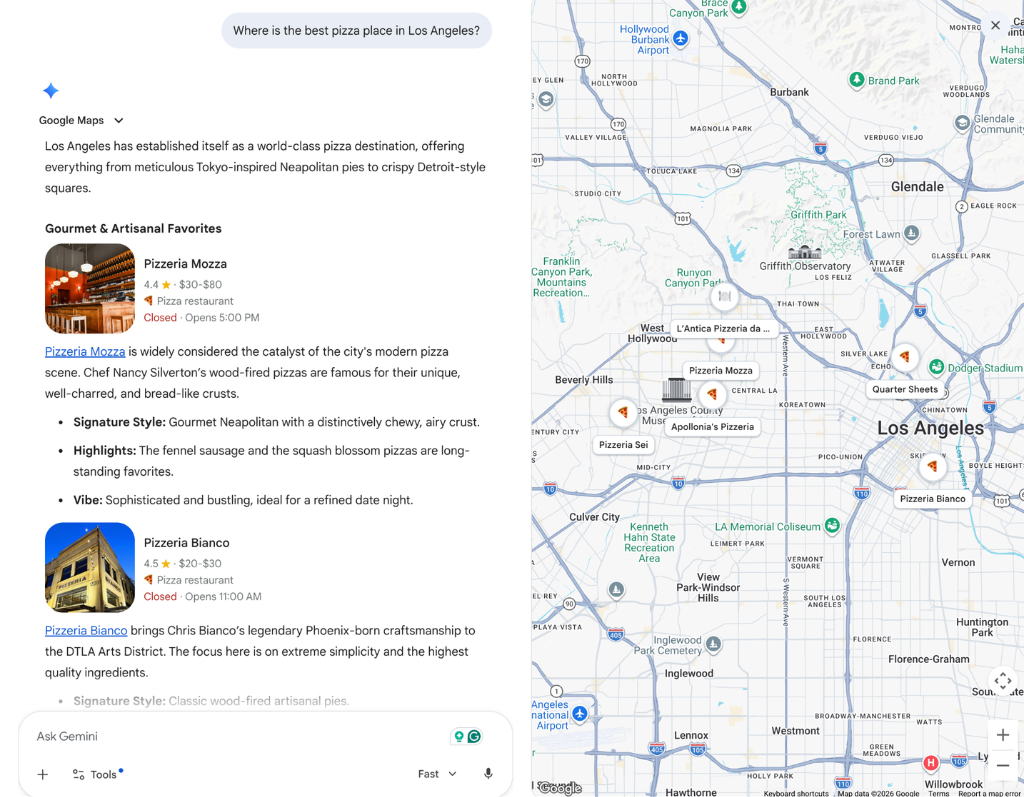
AI search visibility is what will get you included in those generated responses, not just ranking on page one of Google. This shift demands a broader approach to how brands think about their digital footprint.
It goes far beyond keywords, and instead is more about becoming a relevant, trustworthy source across the entire web.
Why Social Media Is Now a Search Signal
Every post your brand publishes, every caption you write, every comment thread you participate in, all become a part of the presence that expands your brand’s presence in the data AI tools are trained on and pull from.
On top of that, social media itself has become a search engine, particularly for younger audiences. TikTok, Instagram, Reddit, and even LinkedIn are places where people go to discover products, find recommendations, and research brands before buying.
If your business doesn’t have an AI social media search strategy, you could be missing out on a ton of valuable traffic.
How Social Media Directly Impacts AI Search Results
When trying to understand how to improve brand visibility in AI search engines, it’s helpful to understand social media’s role in the process.
Let’s talk about some of the ways your social media presence directly impacts your AI search results.
1. Expands Your Brand’s Digital Footprint
AI doesn’t just pull from your website. It pulls information from the entire internet, so the more content you publish, the more data exists for AI to reference when generating answers.
Every social post helps to connect your brand to topics, locations, and conversations that matter to your audience. All of that plays a role in who lands in AI’s responses.
2. Builds Topic Association
Consistent posting on specific themes helps AI models associate your brand with key topics. If a multi-location brand regularly posts about local community events, customer service wins, or industry expertise, AI begins to connect that brand to those subjects.
3. Increases Brand Mentions & Signals
Every share, comment, repost, and tag creates additional context around your brand. When your content spreads, it creates repetition across platforms. That repetition signals to AI systems that your brand is relevant and authoritative. Quantity and consistency of brand signals genuinely matter when it comes to how to improve brand visibility in AI search engines.
4. Drives Third-Party Validation
Owned content is great, but third-party signals carry more weight. When customers, influencers, or partners talk about your brand, those mentions hold more credibility in AI’s “eyes” than anything you post yourself. User-generated content, reviews, and organic shoutouts are some of the strongest trust signals you can earn – because they’re completely authentic.
The Indirect Impact of Social Media on AI Visibility
In addition to its direct impacts, social media also has indirect effects on how to appear in AI search results. Let’s talk about a few ways that social media supports your AI search strategy, without touching it directly.
Content Distribution → More Indexable Content
A strong social media post doesn’t just live on Instagram or Facebook. It gets shared, referenced, linked to, and sometimes picked up by blogs or news outlets.
That ripple effect creates more indexable content across the web. All of this provides even more material to pull from when your brand is relevant to a query.
Engagement → Content Amplification
High-performing content reaches further. When your posts generate real engagement, the algorithm distributes them more broadly. This means more people see them, more people talk about them, and your brand’s digital presence grows organically. That amplification loop directly supports AI visibility.
Recency → Staying Relevant in AI Results
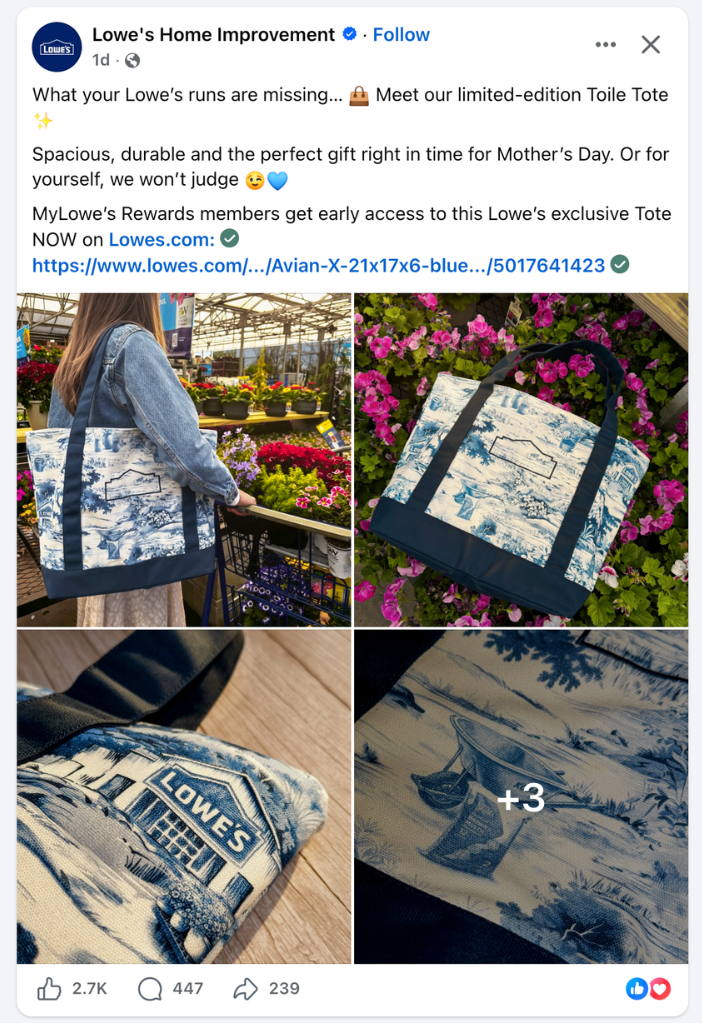
AI models tend to favor fresh, up-to-date content. Brands that post consistently remain “active” in the dataset, making them more likely to be referenced in current, relevant answers. Going dark on social, even temporarily, can quietly erode your presence in AI-generated results.
How Social Media Is Reshaping Local & Multi-Location Search
AI tools are increasingly impacting all areas of digital marketing, and local SEO is no different. When someone asks ChatGPT or Gemini to recommend a service in their city, information is pulled from across the web, including social content, reviews, and location-specific posts.
Platforms like TikTok and Instagram are functioning as local search engines in their own right. Geo-tagged posts, location-specific hashtags, and local customer reviews on social platforms all influence how AI surfaces brands for local queries.
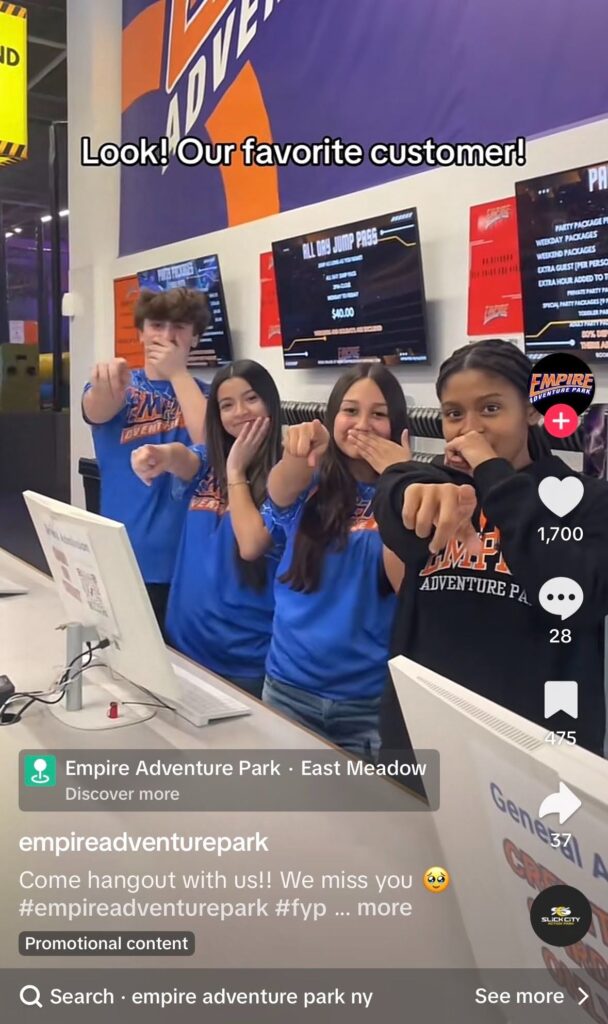
While Google Business Profiles remain a key focus of local SEO, other social media platforms are becoming increasingly important, too. Regardless of where it’s posted, if a piece of social content is tied to a specific location can affect your local SEO.
What This Means for Multi-Location Brands
AI local SEO search strategies are changing across the board, but especially for multi-location brands. When your entire digital presence matters, all that competition plays out at the local level, across every individual location. Learning what strategies improve brand visibility in AI search engines is your ticket to winning that battle.
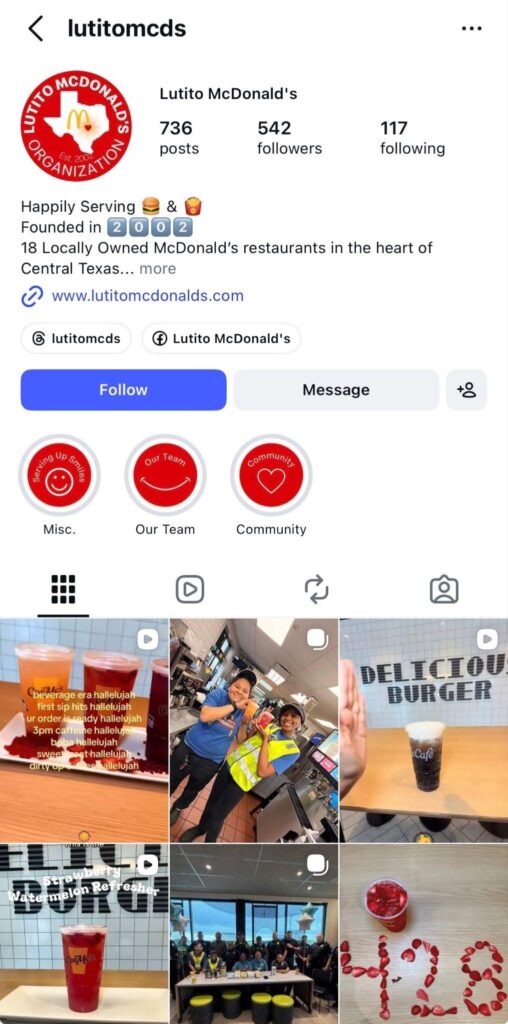
Each location’s social activity contributes to (or chips away at) the brand’s overall AI search strategy. A location that consistently posts, earns reviews, and engages with its community strengthens the brand’s footprint, while a silent location weakens it. When you’re managing dozens or hundreds of locations, that inconsistency can quietly and negatively impact your AI social media search strategy.
How to Optimize Social Media for AI Search
Creating social media content that fuels your AI visibility requires intention and consistency.
If you want to optimize your social media for AI search, here are some things to start with:
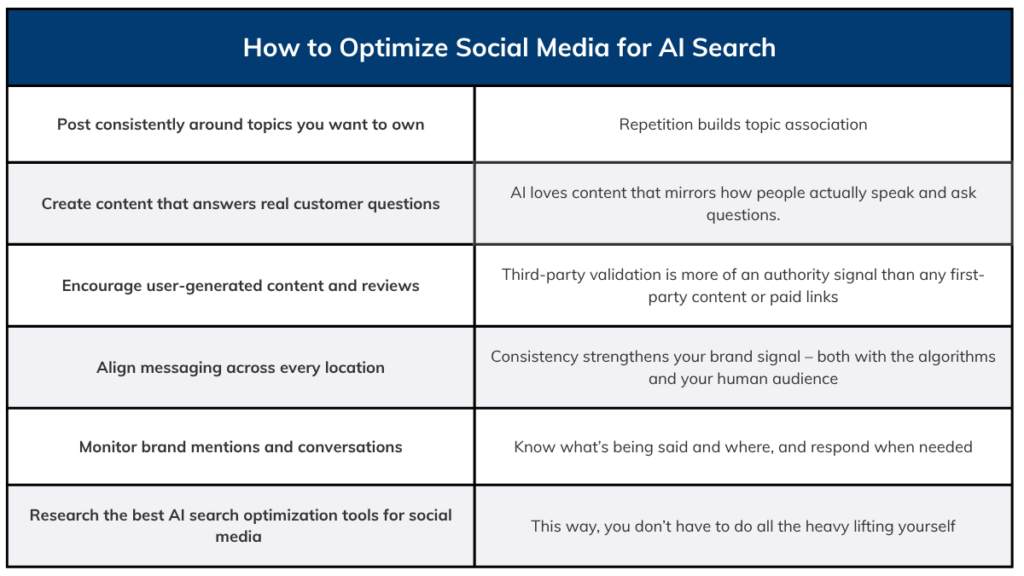
While these are all great habits to keep for your social media strategy in general, they’re also guidelines for how to appear in AI search results.
How Rallio Helps You Show Up in AI Social Media Search
Managing social media across multiple locations is where most brands hit a wall. Luckily, Rallio was built specifically for multi-location brands that need to move fast, stay consistent, and show up everywhere that matters.
With Rallio, you can centralize and scale social content across all your locations without losing each location’s ability to customize its content. Every location becomes a content engine, actively contributing to your brand’s digital footprint and overall AI visibility.
Rallio also leverages AI to help you create consistent, high-quality content faster, so you’re not stuck choosing between volume and quality. This results in more brand mentions, more engagement, and more visibility in the AI-generated answers your customers are already reading.
FAQs
1. How does social media influence AI search results?
AI tools pull data from across the web, including social platforms. Your posts, captions, reviews, and mentions all contribute to the content AI uses when generating answers about brands, products, and services.
2. Does posting more on social media improve AI visibility?
Consistency matters more than volume alone. Posting regularly on relevant topics helps AI associate your brand with those subjects, increasing the likelihood you’ll appear in related AI-generated responses.
3. Do likes and comments impact AI search rankings?
Not directly, but engagement drives amplification, which expands your content’s reach. More reach means more data points across the web, which indirectly strengthens your AI visibility.
4. Why is social media especially important for multi-location brands?
Each location’s social activity contributes to the brand’s overall digital footprint. Inconsistent or inactive locations create gaps in that footprint, which can quietly reduce how often the brand surfaces in AI-generated results, especially for local queries.
5. What type of social media content performs best for AI search?
Content that answers real customer questions, reflects consistent brand messaging, and earns third-party engagement tends to perform best. Reviews, UGC, and location-specific posts are particularly powerful for local AI search visibility.
Ready to Show Up Where It Counts?
Instead of being nervous about AI search, look at it as an opportunity for growth. Brands that build strong, consistent social presences today are the ones getting included in AI-generated answers tomorrow. Rallio makes that possible at scale, across every location, without the chaos.
Connect with Rallio today and find out why so many brands think we are one of the best AI search optimization tools for social media available today!

Tyler Phillips is a Creative Marketing Manager at Rallio | Powered by Ignite Visibility, with over seven years of experience in SaaS and social media marketing and more than sixteen years in online video production. Known for his creative thinking and innovative problem-solving, Tyler specializes in designing and executing strategic digital advertising and content marketing campaigns. His passion lies in bridging creativity and data—turning complex ideas into simple, impactful brand narratives that connect, engage, and inspire.