Posting to social media without a plan is like showing up to a dinner party without knowing what to cook. You scramble, you stress, and the results are rarely what you hoped for. A social media content calendar transforms chaos into clarity, giving your brand the structure it needs to show up consistently and strategically.
In this blog, Tyler Phillips, Marketing Manager, will walk you through what a content calendar is, why it matters, and how to build one that works for your business, especially if you’re managing multiple locations or franchise brands.
What You’ll Learn:
- What is a Content Calendar?
- Why a Content Calendar Matters
- How to Build a Social Media Content Calendar
- Best Practices for Multi-Location or Franchise Brands
- Measuring and Improving
- FAQs
Expert Opinion
A social media content calendar isn’t just a nice-to-have. At this phase of the digital marketing game, it’s essential.
From a strategic standpoint, planning your content in advance allows you to align every post with your larger business goals, seasonal campaigns, and audience needs. It eliminates the daily panic of “What do we post today?” and replaces it with intentional storytelling that builds trust and engagement over time.
For multi-location brands and franchises, the stakes are even higher. Without a centralized content schedule, messaging becomes fragmented, brand voice gets diluted, and opportunities slip through the cracks.
A well-maintained social media content calendar ensures every location stays on-brand while still connecting authentically with its local community. It’s the foundation of scalable, sustainable social media success.
What is a Content Calendar?
A content calendar is a visual planning tool that maps out what content you’ll publish, where it will be shared, and when it will be posted across your social media channels and digital platforms.
Think of it as your content schedule: a centralized hub that keeps your team aligned and your posts consistent. It typically includes details like post copy, images, hashtags, publishing dates, and platform assignments.
It’s important to distinguish a social media content calendar from related tools:
- An editorial calendar focuses on creating long-form content, such as blog posts or newsletters.
- A project tracker manages tasks and deadlines across various campaigns.
- A scheduling tool, on the other hand, automates the actual posting of content.
Your content calendar sits at the intersection of all three. It’s the strategic blueprint that informs what gets created, assigned, and scheduled.
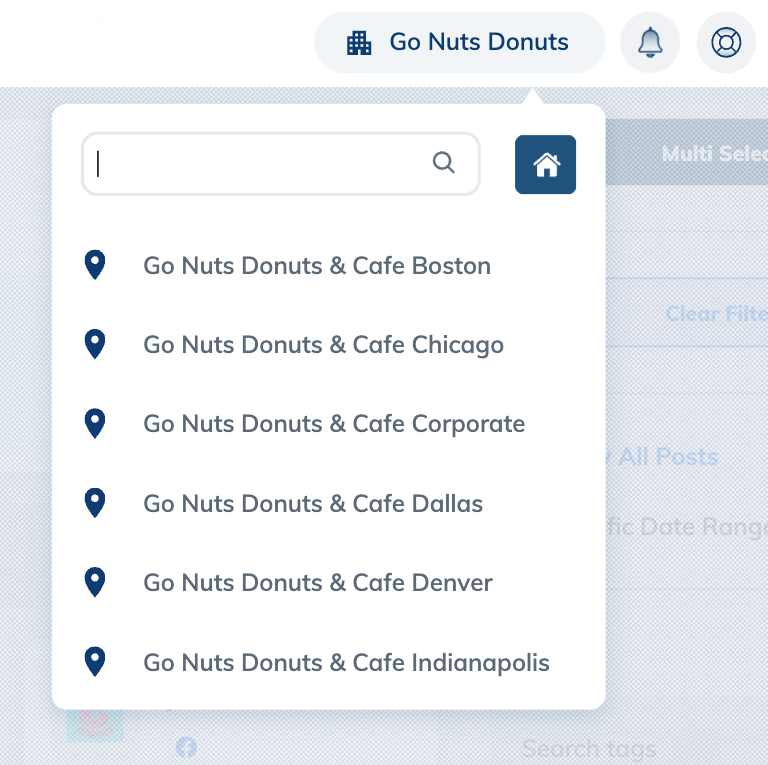
For franchise or distributed marketing teams, a content calendar becomes even more critical. When you’re managing multiple locations, each with its own audience and community nuances, a shared content schedule ensures brand voice consistency while allowing room for localized content. It prevents duplicate efforts, keeps corporate and local teams in sync, and provides a single source of truth for what’s happening across all channels. Without it, you risk disjointed messaging, missed opportunities, and a brand presence that feels scattered rather than strategic.
Why a Content Calendar Matters
A social media content calendar builds consistency, and consistency builds trust. When your audience knows they can count on you to show up regularly with valuable, relevant content, they’re more likely to engage, follow, and convert.
Beyond audience perception, a content schedule saves your team hours every week. Instead of scrambling to create posts on the fly, you’re working from a plan: batching content creation, reducing decision fatigue, and freeing up mental energy for higher-level strategy.
Brand voice is another critical benefit, especially for businesses with multiple locations. A well-structured content calendar keeps messaging unified across every channel and every franchise. Whether a customer is engaging with your brand in Austin or Atlanta, they experience the same tone, values, and quality. This unified presence strengthens brand recognition and ensures no location feels off-brand or out of sync.
Collaboration becomes seamless when everyone has visibility into the content schedule. Marketing teams, local managers, and corporate leadership can see what’s planned, offer input, and spot conflicts or gaps before content goes live. This transparency reduces bottlenecks, prevents last-minute fire drills, and creates a culture of shared accountability.
Finally, a content calendar provides structure without stifling creativity. Knowing what types of content are scheduled for the month ahead (like product launches, customer stories, or educational tips) gives your team a framework to innovate within. There’s still room for spontaneous posts and trending moments, but the calendar ensures those one-offs complement a larger, cohesive strategy rather than derailing it.
How to Build a Social Media Content Calendar
Learning how to make a social media content calendar doesn’t have to be overwhelming. Follow these four steps to create a content schedule that’s practical, scalable, and aligned with your business goals.
Step 1: Define Your Goals
Before you start filling in dates and post ideas, get clear on what you want your social media presence to achieve: Are you driving awareness, generating leads, boosting engagement, or supporting local store traffic?
Your goals will shape the type of content you plan. For example, if engagement is the priority, your calendar might emphasize interactive posts like polls, questions, and user-generated content. If you’re focused on conversions, you’ll want a steady mix of promotional posts, testimonials, and CTAs.
Step 2: Choose Your Format or Tool
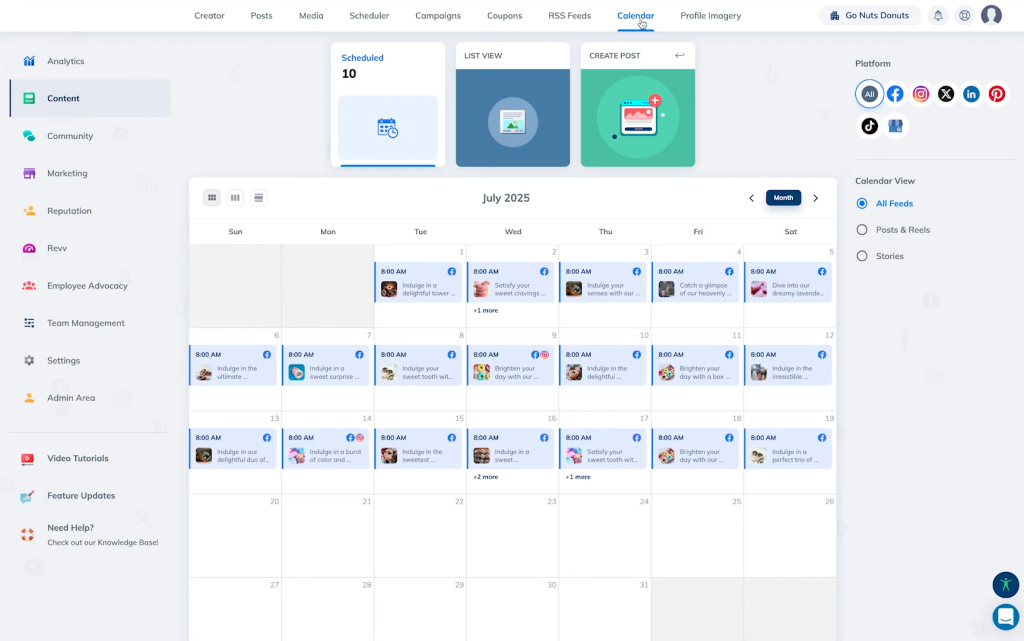
You can build a content calendar in a simple spreadsheet, but as your operation grows, a dedicated platform like Rallio makes management far easier. Rallio centralizes planning, scheduling, and approvals, which is especially valuable for franchise brands juggling corporate and local content.
Look for a tool that allows you to visualize your social media post schedule across weeks or months, assign content by platform, and collaborate with your team in real-time.
Step 3: Plan Content by Week or Month
Start with themes or content pillars that align with your brand and audience interests. For instance, a fitness franchise might rotate between workout tips, member spotlights, nutrition advice, and motivational quotes.
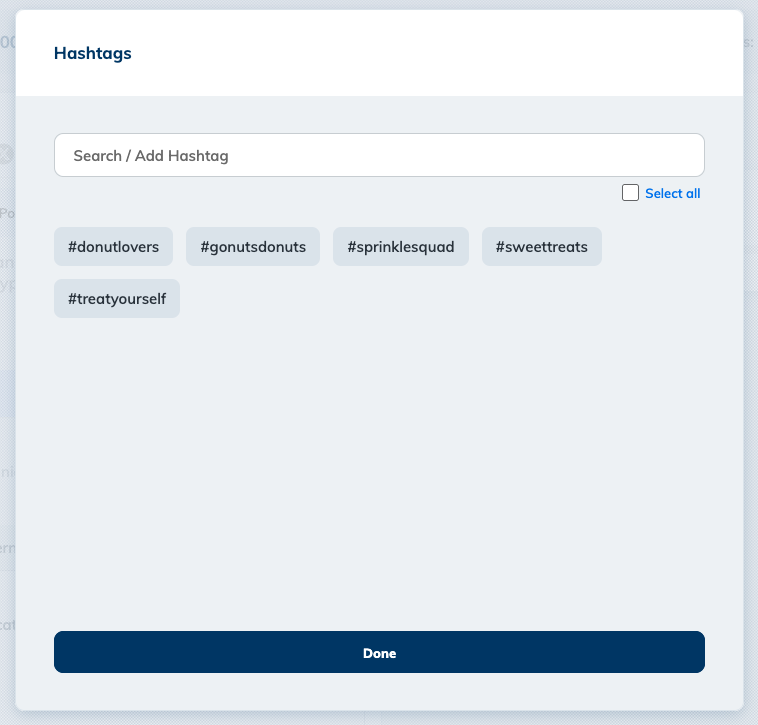
Map these themes to a monthly or weekly grid, assigning specific post ideas to dates. Include key details like copy, visuals, hashtags, and the intended platform. Don’t forget to account for holidays, product launches, and local events that should be reflected in your content schedule.
Step 4: Review, Adjust, and Repeat
Your content calendar is a living document. Establish a regular review cadence to assess upcoming posts, evaluate performance from previous weeks, and make necessary adjustments.
If a certain post type performed exceptionally well, double down on it. If you have a post planned that is no longer relevant, delete it. This habit of continuous improvement keeps your social media content calendar fresh, responsive, and results-driven.
Best Practices for Multi-Location or Franchise Brands
Managing a social media content calendar across multiple locations requires balance. Here are some ways to make every franchise feel like part of the same brand family, while still speaking to each location’s local audience.
Balance Brand Consistency with Local Authenticity
Corporate should provide a foundation, such as brand guidelines, approved messaging, visual templates, and evergreen content that any location can use. But leave room for local teams to inject their own voice and spotlight their community.
A social media content calendar example might include 70% centralized content, such as national promotions, educational posts, and brand storytelling, and 30% local content, including customer shout-outs, neighborhood events, and staff features.
Centralize Planning, Decentralize Storytelling
While corporate marketing teams should own the strategic calendar of defining themes, key dates, and campaign rollouts, they should still encourage local managers to contribute stories, photos, and insights from their markets.
A centralized content schedule provides the structure. Decentralized input makes it relevant and relatable. Use collaborative tools that let local teams submit content ideas or request edits without creating bottlenecks.
Empower Teams with Templates and Approval Workflows
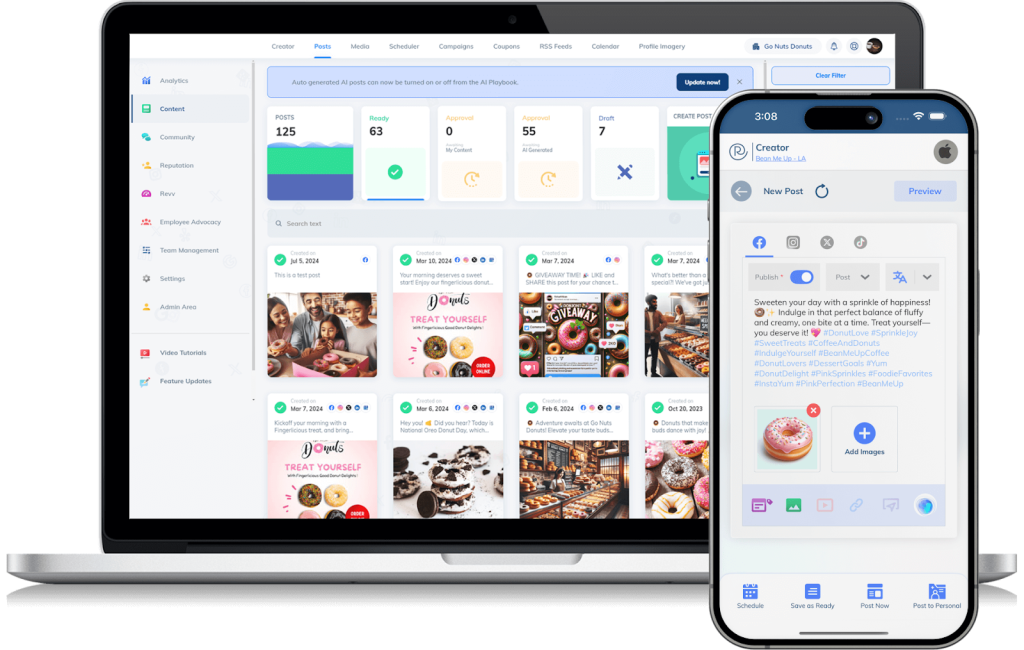
Franchise owners and location managers are busy. Make it easy for them to participate by providing ready-to-use content templates, caption banks, and image libraries. Pair that with a clear approval workflow so local posts align with brand standards before going live.
Rallio, for example, streamlines this process by allowing corporate to review and approve location-level content within the same platform where the calendar lives. This maintains high quality and reduces the risk of off-brand posts slipping through.
Measuring and Improving
A social media content calendar is only as good as the results it drives. To ensure your content schedule is effective, you need to track its performance and refine your approach over time.
Monitor the following metrics:
- Reach
- Engagement Rate
- Clicks
- Follower Growth
- Conversion Rate
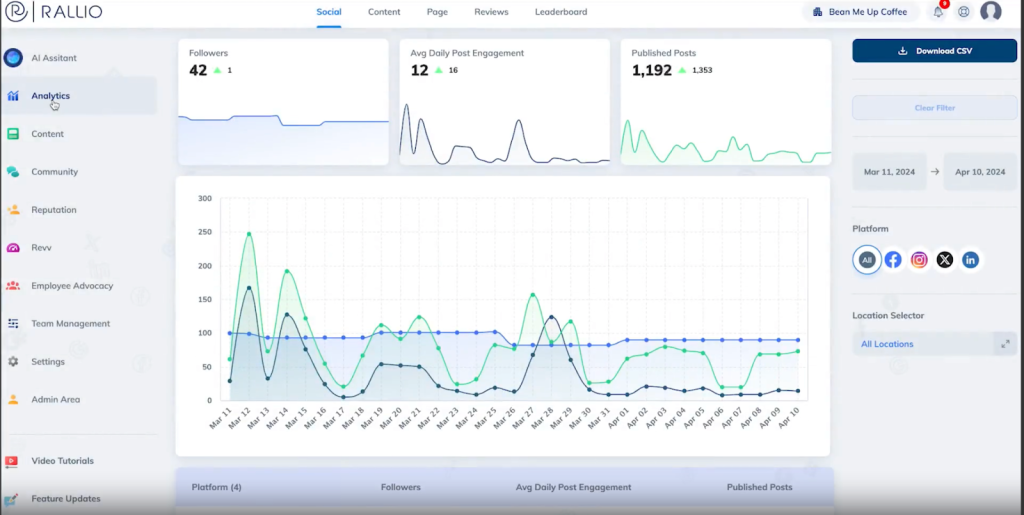
Compare these numbers month over month to see what type of content is working and which parts of your calendar need to be tweaked. You should also look for patterns. Do posts on certain days or times perform better? Is one content type consistently outperforming others? Let the data guide your planning.
Don’t forget that even the most detailed content calendar needs breathing room. Reserve a few open slots each week for topics that are trending, breaking news, or spontaneous moments that deserve to be shared. This will help keep your feed relevant while maintaining its structure.
FAQs
1. What is a content calendar?
A content calendar is a planning tool that organizes your social media posts, blog articles, and digital content by date, platform, and topic. It’s a visual roadmap that helps teams stay organized, maintain consistency, and align content with marketing goals.
2. Why is a content calendar important for my business?
A content calendar saves time, builds consistency, and strengthens your brand presence. For multi-location businesses, it maintains unified messaging while allowing for local customization.
3. How far in advance should I plan my content calendar?
Most brands plan their social media content calendar 30 to 90 days in advance. The key is striking a balance between structure and flexibility. Plan far enough ahead to stay organized, but leave room to adapt to emerging trends, news, and real-time opportunities.
4. How can Rallio help with content calendars?
Rallio streamlines content planning, scheduling, and approval – especially for franchises and multi-location brands. It enables corporate and local teams to collaborate on a single platform. You can plan posts across locations, automate publishing, manage approvals, and track performance – without losing your brand consistency.
Streamline Your Social Media Content with Rallio
A social media content calendar is more than a scheduling tool. It’s the backbone of a consistent, strategic, and scalable social media presence.
By planning ahead, aligning your team, and leaving room for creativity and flexibility, you set your brand up for long-term success. Whether you’re managing one location or one hundred, a well-built content schedule keeps you organized, on-brand, and connected to your audience.
Ready to take control of your social media strategy? Discover how Rallio can help you build, manage, and optimize your content calendar with tools designed for multi-location success. Get started today and turn your social media from reactive to results-driven.

Tyler Phillips is a Marketing Manager at Rallio, powered by Ignite Visibility, with over seven years of experience in SaaS and social media marketing and more than sixteen years in online video production. Known for his creative thinking and innovative problem-solving, Tyler specializes in designing and executing strategic digital advertising and content marketing campaigns. His passion lies in bridging creativity and data—turning complex ideas into simple, impactful brand narratives that connect, engage, and inspire.