
As people scroll through social media, are they seeing your content? Relying on organic social media management is great, but it can only take you so far. Paid social advertising takes things a step further, putting your brand directly in front of the right people, at the right time, on the platforms they already love.
In this blog post, Tyler Phillips, Creative Marketing Manager, will explain everything you need to know about social advertising, from key campaign components to real-world examples and how to get started the right way.
My Expert Opinion on Social Advertising
The numbers don’t lie. Social media has become one of the most powerful channels a business can tap into. As of April 2026, there are 5.79 billion social media users worldwide, actively engaging across an average of 6.5 different platforms each month.
The beauty of social media is that there truly is a platform for every audience. Whether you’re targeting Gen Z on TikTok, professionals on LinkedIn, or everyday consumers on Facebook and Instagram, your customers are already there. The question isn’t whether your audience is on social media. It’s whether your brand is showing up when they are.
That’s exactly where paid social advertising comes in. Organic content builds relationships, but social advertising campaigns are what get your brand in front of hyper-targeted audiences who are most likely to care about what you offer. When you combine a strong organic presence with a smart paid social advertising strategy, you create a powerful, always-on engine for attracting and converting new customers.
What Is Social Advertising?
Social advertising is a form of paid media that promotes a brand, product, or offer on social media platforms. However, some definitions also specify that this form of advertising must be consensual for the user.
According to the Interactive Advertising Bureau, a social ad is “an online ad that incorporates user interactions that the consumer has agreed to display and be shared.”
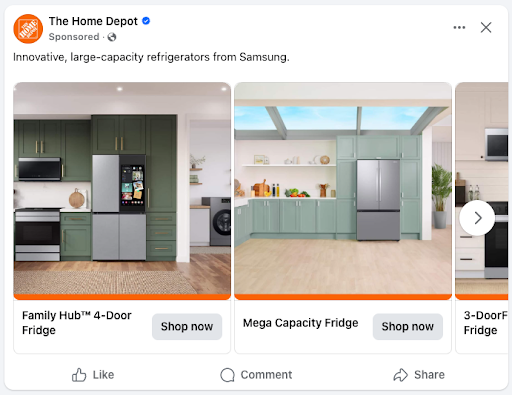
There are many forms social media ads can take. For example, a brand could promote certain products using a carousel ad on Facebook, offering an interactive experience to engage its audiences.
Meanwhile, other brands may connect with audiences on Instagram using video ads, such as mattress brand Lull Bed partnering with an influencer whose video of him installing a mattress is repurposed for ad content.

These social advertising examples touch the tip of the iceberg when it comes to the many ad platforms and formats you can use depending on your industry and audience.
Organic vs. Paid Social Media
Let’s take a look at the two different types of social advertising: organic and paid.
Organic social media refers to the free content you post on your profiles. It’s the photos, videos, stories, and updates that your followers can see for free. It’s essential for building community and brand personality, but it has limitations. Platform algorithms increasingly limit organic reach, meaning even your most loyal followers may not see everything you post.
Paid social advertising, on the other hand, puts budget behind your content to amplify its reach far beyond your existing audience. With paid social, you can target users based on demographics, interests, behaviors, location, and more. This helps you reach people who have never heard of your brand but are highly likely to care about what you offer.
Types of Social Media Ads
One of the biggest advantages of advertising on social media is the sheer variety of ad formats available, including:
- Image ads: Simple, clean, and effective for brand awareness
- Video ads: Short-form video is one of the most popular ways to reach new audiences and engage with existing ones
- Carousel ads: Multiple images or videos in a single ad, great for showcasing products or telling a story
- Stories and Reels ads: Full-screen, immersive formats on platforms like Instagram and Facebook
- Sponsored posts: Boosted organic content that reaches a wider audience
- Lead gen ads: In-platform forms that capture user information without them ever leaving the app
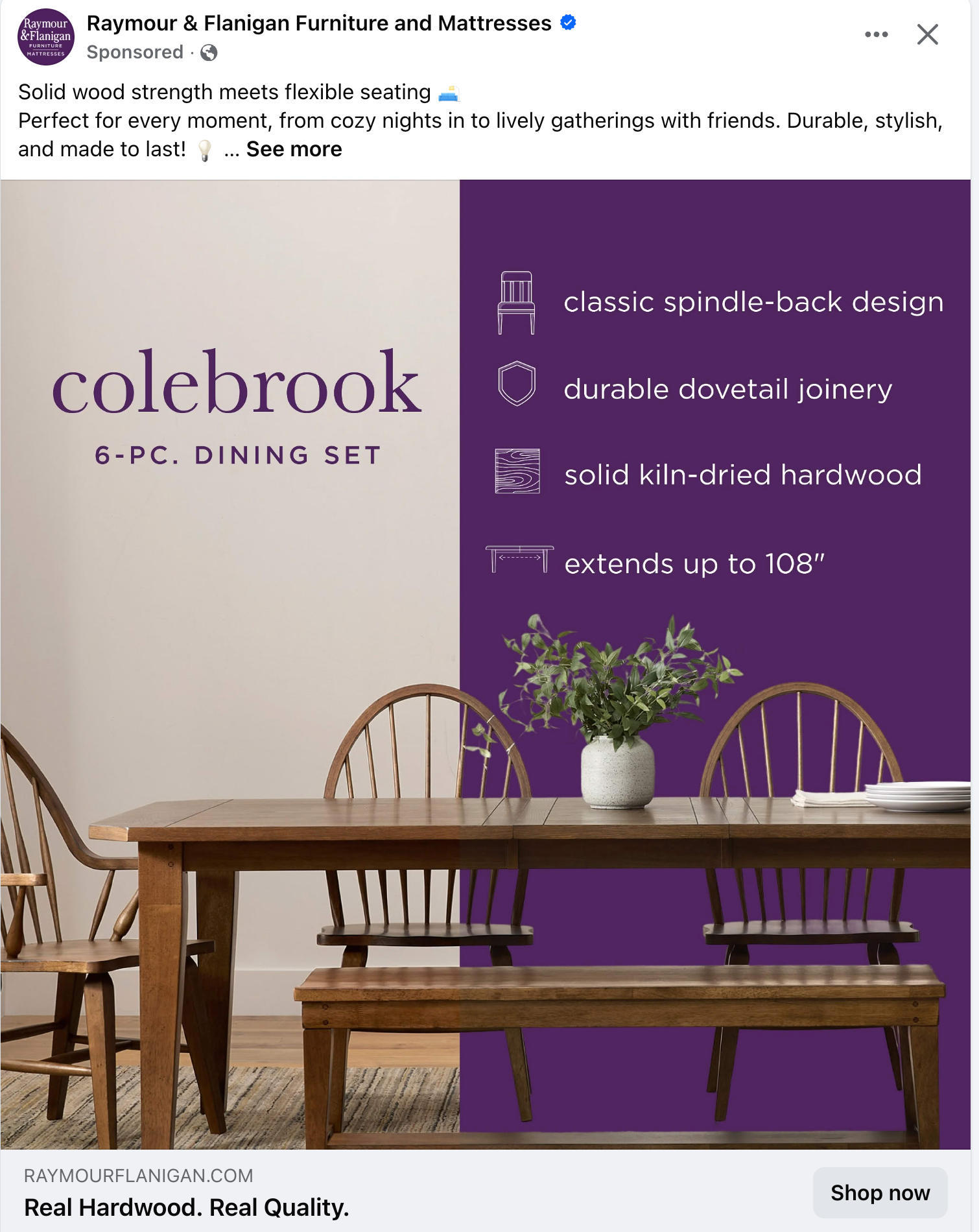
Each format serves a different purpose, and the best social advertising campaigns often use a mix of formats to engage audiences at different stages of the buying journey.
AI-Powered Advertising and Automation
The way brands build and manage social advertising campaigns has changed dramatically with the rise of artificial intelligence. Today’s platforms, including Meta, TikTok, LinkedIn, and others, use AI to automate audience targeting, optimize ad delivery in real time, and allocate budgets to placements most likely to convert. This means your ads are constantly being refined behind the scenes, getting smarter the more they run.
On the marketer’s side, AI tools are accelerating the creative process as well. From generating ad copy variations to producing visual assets at scale, AI is helping brands run more efficient, more effective social advertising services without sacrificing quality. That said, the brands winning right now are using AI as a production tool while keeping the creative vision and human authenticity front and center.
The Rise of Short-Form and Creator-Led Ad Content
Short-form video and creator-led content are two types of content that are dominating the world of social advertising.
Platforms like TikTok, Instagram Reels, and YouTube Shorts have conditioned audiences to consume content in seconds, making punchy, engaging video ads more powerful than ever.
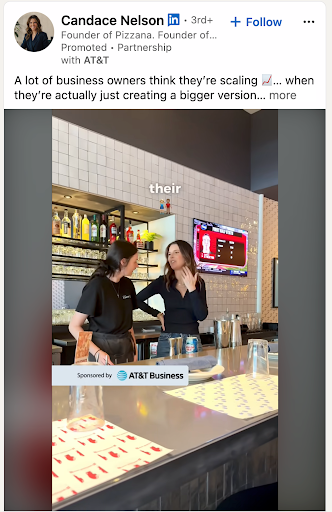
Alongside this shift, creator-led advertising, where brands partner with content creators to produce native-feeling ads, has become a core component of modern social advertising strategies. Audiences trust people more than they trust brands, and creator content tends to feel more authentic in a feed than a polished, traditional advertisement.
In 2026, the most effective social advertising examples are the ones that feel real, relevant, and human.
Why Social Advertising Matters
Brands of all types can benefit from using paid social advertising, and it’s essential in helping them stay competitive today.
Recent statistics further demonstrate the importance of implementing social advertising campaigns: Statista reports that the total U.S. social media advertising spend will reach $95.70 billion in 2025, and Wordstream confirms that social ads comprise 33% of all digital ad spend.
Social media’s influence now extends well beyond the feed. As AI-powered search tools increasingly surface content from social platforms, your paid social presence plays a growing role in how your brand gets discovered online.
At the same time, organic reach continues to decline across nearly every major platform, making it harder than ever to connect with your audience through unpaid content alone.
In short, if you’re neglecting to advertise on social media, there is a huge gap you need to fill to connect with your audiences and maximize ROI. Paid social advertising is a core part of how businesses are staying visible, relevant, and competitive.
Key Elements of a Successful Social Strategy
To get the best results from social media advertising, there are some aspects to consider, and you must take the right approach to your strategy.
7 Main Components of Social Advertising Campaigns
When building social media ad strategies, the following are the core components that will guide you along the process:
1. Campaign Goals
Before you can develop your strategy, you need to have specific objectives in mind that will inform your efforts.
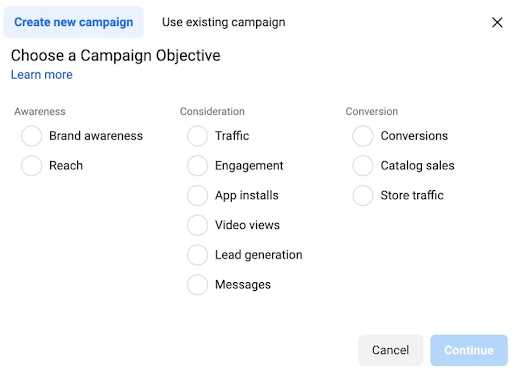
There are multiple types of objectives you might set, such as boosting brand awareness, increasing engagement, and driving more conversions and sales.
Many platforms make it easy to set goals within their native ad campaigns.
For instance, Instagram allows you to set a variety of awareness, consideration, and conversion goals.
2. Target Audience
You also need to consider your target audience, which will dictate which platforms you use and the kinds of ads you run.
Think about the kinds of people you want to target, including those in your existing customer base or a new potential market.
Look at what your competitors are doing and consider developing audience personas that help segment your audiences based on different characteristics.
3. Creative Design
Once you’ve identified your target audience, you can begin developing the creative elements of your ads, which will consist of:
- A visual component, such as a video, image, or GIF
- The ad copy, including your headline, caption, and description
- A call to action to lead viewers to the next step
For instance, here is a clearly developed ad with rich copy explaining the benefits of signing up for The Great Courses, a visual complete with a promotion, and a call to action to sign up for the platform.

4. Ad Budget
Additionally, consider the budget you want to set for your ads.
So, how much does it cost to advertise on social media? It really depends on your overall marketing budget, your industry benchmarks, your ability to test and experiment, and, of course, the specific platform you’re using.
Two models to consider to help you calculate ad budget include cost-per-click (CPC) and cost per mille (CPM). CPC measures the cost that advertisers pay for every click on their ads, while the CPM is the cost per thousand (mille in Latin) impressions.
5. Analytics and Reporting
To determine how well your social advertising campaigns are performing, you need to conduct regular analytics and reporting.
The metrics and key performance indicators (KPIs) you track here will depend on the goals that you set at the beginning.
There are many metrics you might track, including views, impressions, click-through rate, engagement metrics like replies and “likes,” and CPC or CPM.
You can use a combination of native analytics platforms and other third-party tools to gain a complete picture of campaign performance.
6. Platform-Specific Creative Strategies
Not all social platforms (or their audiences!) are created equal, so a one-size-fits-all creative approach simply won’t cut it when advertising on social media.
What performs on TikTok (raw, fast-paced, personality-driven) looks very different from what works on LinkedIn (professional, insight-led, value-focused) or Instagram (visually polished, story-driven).
Successful social advertising campaigns are built with platform-specific creative strategies that respect the unique culture and content expectations of each channel. When your ads feel native to the platform they’re running on, audiences are far more likely to stop, engage, and convert.
7. AI-Assisted Targeting and Optimization
AI-assisted targeting has transformed the way brands reach their ideal customers. It now goes far beyond basic demographic filters to analyze behaviors, intent signals, and real-time performance data.
Platforms like Meta and TikTok use AI to continuously refine who sees your ads and when, maximizing the efficiency of every dollar spent.
For marketers, this means smarter audience segmentation, faster testing cycles, and better results over time. Leaning into these tools and pairing them with strong creative and a clear strategy is what separates high-performing paid social advertising from campaigns that simply burn budget.
Social Advertising Best Practices
In addition to the above aspects, here are some social advertising best practices that can fuel your strategy:
- Use A/B Testing: Before committing to any of your ads, run A/B tests that change out a single creative element in your ads, be it a visual, caption, description, or CTA. Depending on which performs best, you can determine which to use for your official campaign.
- Optimize for Mobile-First Advertising: Make sure your ads are formatted with mobile users in mind, as 99% of social media users are on mobile devices, according to Indectron. Make sure video and image sizes account for mobile along with your corresponding landing pages and website.
- Accommodate Platform Vibes: Different social media platforms have different vibes. For example, Facebook tends to be more casual, while LinkedIn is often highly professional, and Instagram and TikTok are overall among the more “fun” storytelling platforms. Understanding the tone each platform appeals to can inform the ads you run on it.
- Leverage Influencer and Creator-Style Content: Audiences are increasingly tuning out polished, brand-heavy ads in favor of content that feels real and relatable. To dramatically improve engagement and build trust, partner with creators or produce ads that mimic the authentic, native feel of creator content. Even a small-scale creator collaboration can outperform a high-budget traditional ad when it resonates with the right audience.
- Focus on Meaningful Metrics Beyond Vanity Engagement: Likes and impressions are easy to track, but they don’t always tell the full story. Shift your focus to social media KPIs that reflect real business impact: click-through rates, cost per lead, conversion rates, and return on ad spend (ROAS). These are the numbers that reveal whether your social advertising campaigns are actually driving growth, not just attention.
Platforms and Format Strategies
In learning how to advertise your company on social media, you need to know more about the various platforms and ad formats available to drive your campaigns.
Social Advertising Platforms
There is no shortage of social platforms for you to choose from, including:
- TikTok
- X (formerly Twitter)
- Snapchat
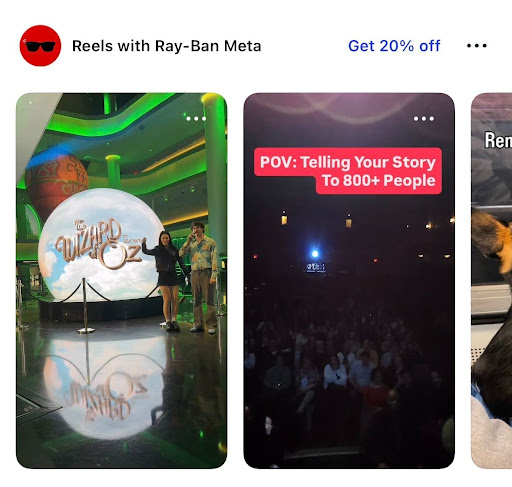
Each platform has its own distinct audience, making it important to make the right choice based on where your audience spends its time.
For example, Facebook is the most popular platform with over 3.065 billion users, with the majority of users being 25 to 34 and a large audience of boomers. Meanwhile, younger audiences like Gen Z will tend to visit platforms like Instagram and TikTok more frequently.
If you’re targeting professionals, you would likely target LinkedIn with your ads.
Available Formats
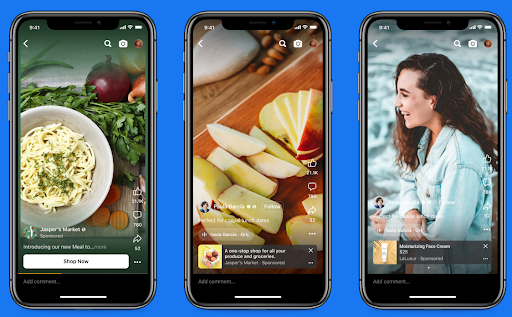
For all platforms, you can also choose different formats, such as:
- Image Ads: These ads are static in nature and tend to include a single image that connects with audiences, along with ad copy and a call to action.
- Video Ads: With the rising popularity of video content, especially short-form content, video ads are more engaging and are popular on most platforms.
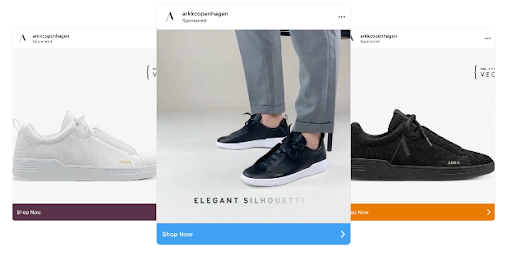
- Carousel Ads: You may also want to use carousel ads to promote specific products, which are great for boosting sales and bringing people to your product pages.
- User-Generated Content: Partnering with influencers or holding contests among your audiences could lead to the production of user-generated content (UGC), which you could repurpose for ad content in many cases.
- Story Ads: Some platforms, like Facebook and Instagram, allow you to run Story ads that run between people’s videos on platforms like Instagram Stories.
- Banner Ads: People may also see certain message ads overlaid in video streams or other touchpoints, encouraging people to click.
Audience Targeting and User Intent Alignment
When learning how to advertise your business on social media, you need to ensure your audience targeting aligns with user intent.
There are four main types of user intent, depending on where people are in the buyer’s journey:
- Informational: People want to learn more about a company and its products or services.
- Navigational: Individuals are looking for a particular web page belonging to a brand with which they’re familiar.
- Commercial: People might want to learn about the different options available to them when making a buying decision, such as “best companies near me.”
- Transactional: Here, the buyer is ready to make a purchasing decision with a particular brand.
Most ad content will appeal to the informational and transactional stages, as people either want more information about a brand or its offerings or are ready to make a purchase in many cases.
For instance, you might encourage people in the informational stage to click on an ad for more information about how your offerings could help them, leading them to a corresponding landing page rich with relevant details.
Meanwhile, carousel ads could push specific products based on users’ interests, enticing them to complete impulse buys in the transactional stage.
In the process, you will want to target relevant keywords at every stage. At the informational stage, for example, you would want to appeal to the need to “learn more,” including “tips for,” “how to,” and “benefits of,” among other top-of-funnel terms.
At the transactional stage, you would then appeal to the need to “buy,” “order,” “purchase,” and complete other bottom-of-funnel actions.
Be sure to map keywords based on intent, connecting them with the right ads and landing pages to move people along their journey. Also, align user intent with specific personas.
Taking this approach will help considerably with social ad targeting.
Content Gap Analysis: Spot and Fill Gaps
When developing social media ads, take a close look at your competitors and conduct an in-depth content gap analysis.
See what your competitors are doing with their ads, and identify any opportunities that might help you stand apart in your industry.
Find out how competitors are aligning their ads with the different intent along the buyer journey, and determine where you can streamline the journey even more. You might discover that your competitors aren’t touching on a certain pain point, or they’re neglecting to use effective messaging that might draw a particular audience segment.
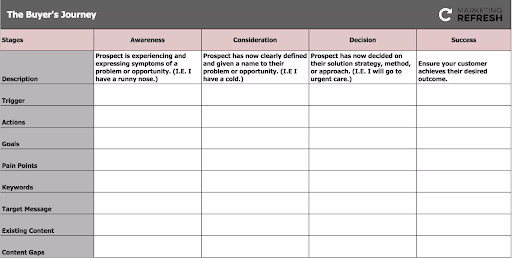
To begin a content gap analysis, conduct audits against top-ranking pages to see what’s working and what isn’t, and map the customer journey.
In the process, you could use a table to make things clearer. For instance, the below template helps you list content gaps at every stage, along with pain points, goals, triggers, and other aspects to help optimize ad performance.
Common Social Advertising Challenges
Social advertising can be an awesome opportunity, but it’s not without its hurdles. Let’s take a look at some of the most common social advertising challenges:
- Ad fatigue: When the same audiences repeatedly see the same creative, engagement drops, and costs rise. Keeping your ad creative fresh and rotating new variations regularly is essential to maintaining performance over time.
- Rising advertising costs: Getting the most out of your budget requires smarter targeting, stronger creative, and continuous optimization, not just more spend.
- Managing multiple campaigns across different platforms: Without the right systems in place, it’s easy for campaigns to fall through the cracks, budgets to go unmonitored, and opportunities to be missed.
- Balancing AI automation with authentic brand voice: AI tools can dramatically speed up content creation and campaign optimization, but overreliance on automation can result in content that feels generic or off-brand. Avoid this by using AI to enhance your output without losing the human tone and personality that actually make your audience connect with you.
- Maintaining consistency across multiple locations: Each location may have its own audience nuances, promotional needs, and community context, yet the brand identity, messaging, and quality standards need to stay cohesive. A centralized system will prevent a fragmented, inconsistent brand experience.
How Rallio Helps Brands Simplify Social Advertising
The challenges above are very solvable with the right platform and partner behind you. That’s exactly what Rallio is built for.
Whether you’re a single-location business or a multi-location brand managing dozens of markets, Rallio’s platform and social advertising services are designed to make paid social advertising simpler, smarter, and more effective at every level.
Centralized social management brings all your social advertising activity into one intuitive platform, eliminating the chaos of juggling multiple tools, logins, and dashboards. From a single hub, you can manage content, campaigns, and performance across every platform and location.
For brands with multiple locations, localized advertising at scale is where Rallio truly shines. The platform enables brands to run hyper-targeted social advertising campaigns tailored to specific local audiences, while maintaining the brand consistency that builds trust at the national level. With Rallio, local relevance and brand integrity no longer have to be a trade-off.
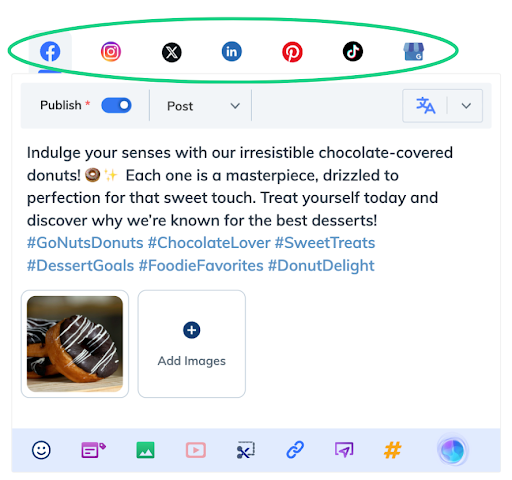
On the operational side, Rallio brings campaign organization and efficiency to stretched-thin teams. With streamlined workflows built specifically for multi-location social advertising, your team spends less time on manual coordination and more time focused on strategy and results. Campaign management becomes a system rather than a scramble.
Of course, none of it matters without data to back it up. Rallio’s performance tracking and analytics give you clear, actionable insights into how your social advertising campaigns are performing, from impressions and engagement to clicks, conversions, and return on ad spend. You’ll always know what’s working, what’s not, and where to focus next.
Rallio also leverages AI-assisted content creation and optimization to help brands produce high-quality ad content faster and with less effort. But unlike generic AI tools, Rallio’s approach keeps your brand voice front and center, so the content that goes out feels authentically yours, not like it was generated by a machine. It’s the best of both worlds: the speed of AI with the authenticity your audience expects.
FAQs about Social Media Advertising
1. What is social media advertising?
Social media advertising is the process of running paid ads on various social media platforms to reach target audiences. Ads can target users based on various factors, such as demographics, buying behaviors, interests, and location.
2. How does social advertising differ from influencer marketing?
While influencer marketing involves partnering with personalities through sponsorships to have them endorse your brand and offerings, ads bypass any relationship-building and involve bidding on ad space to target audiences in specific placements. However, you could use repurposed content created by influencers within your ads.
3. How much does it cost to advertise on social media in 2026?
Depending on the platform, the industry, and the placement, the cost of advertising on social media can vary greatly. It can range anywhere from hundreds to thousands of dollars per month. Determining how much you will spend on paid social advertising will depend on your budget and what you need to do to stay competitive in your industry.
4. What are best practices for social ad creative?
When creating content for your ads, you should know your audience and what kind of visuals and messaging they respond to on social platforms. Also, use compelling visuals and text that stand out while avoiding being misleading. Finally, include compelling calls to action that effectively drive more clicks and conversions.
Get the Most From Social Advertising with Rallio
To excel with your social advertising campaigns, it can require a lot of work and vigilance to stay ahead of competitors, especially if you need to manage campaigns across multiple platforms.
Rallio can help you maximize your reach and connect with the right audiences at the right time, without burning out your team or requiring 100 strategy calls across locations.
Like this idea? Explore all that Rallio has to offer and start streamlining your next campaign today!

Tyler Phillips is a Creative Marketing Manager at Rallio | Powered by Ignite Visibility, with over seven years of experience in SaaS and social media marketing and more than sixteen years in online video production. Known for his creative thinking and innovative problem-solving, Tyler specializes in designing and executing strategic digital advertising and content marketing campaigns. His passion lies in bridging creativity and data—turning complex ideas into simple, impactful brand narratives that connect, engage, and inspire.