Social media can help skyrocket your business. But one negative comment or insensitive post can also snowball into a social media crisis within minutes.
In this blog, Courtney Swain, Associate Director of Client Services/Product, will walk you through everything you need to know about social media crisis management, from spotting problems early to responding with confidence and using the right tools to stay in control when things go sideways.
What You’ll Learn:
- What is a Social Media Crisis?
- Why Social Media Crisis Management Matters
- Social Media Crisis Examples
- The Core Stages of Crisis Management in Social Media
- Best Practices for Handling Crises Online
- How Rallio Supports Crisis Management
- FAQs
Expert Opinion
If you work in social media, you know the best time to handle a crisis is before it happens. Having a solid plan in place gives your team the confidence to act quickly when pressure mounts.
Negative comments and social media crises happen to everyone, but the organizations that weather storms best are those that have already mapped out their response protocols, identified key decision-makers, and practiced their communication strategies before any real trouble begins.
Smart brands understand that crisis communication isn’t about making problems disappear, but about showing up honestly, taking responsibility when needed, and demonstrating a genuine commitment to solutions that rebuild trust even stronger than before.
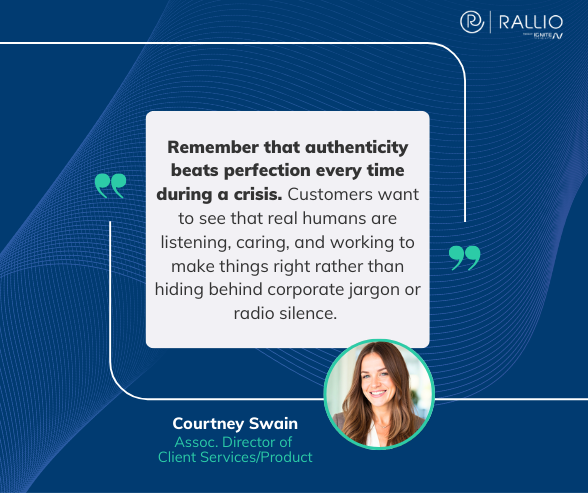
Remember that authenticity beats perfection every time during a crisis. Customers want to see that real humans are listening, caring, and working to make things right rather than hiding behind corporate jargon or radio silence.
What is a Social Media Crisis?
A social media crisis occurs when negative attention on your social channels threatens to significantly damage your brand’s reputation, customer relationships, or business operations, requiring immediate action beyond your normal customer service responses.
This isn’t about one unhappy customer leaving a negative comment. It’s about situations that spiral quickly, attract widespread attention, generate intense negative sentiment, or risk causing real harm to how people perceive your brand.
Why Social Media Crisis Management Matters
The reason brands need a crisis management strategy before issues arise is simple: when trouble hits, you won’t have time to figure things out from scratch, and making decisions under that kind of pressure without a roadmap almost always leads to mistakes that make everything worse.
With a crisis management strategy, your team will already know who’s responsible for what, how to assess whether something is truly a crisis, what your communication protocols look like, and where to find pre-approved messaging templates that save precious minutes when every second counts.
Think of your crisis plan like a fire drill. You hope you never need it, but if flames start spreading, you’ll be happy that everyone already knows where the exits are.
Social Media Crisis Examples
Let’s take a look at some of the most common reasons you might need a social media crisis management plan.
Customer Complaints and Service Disruptions
This is one of the most common types of social media crises, especially when multiple customers experience the same issue simultaneously. When they start sharing their frustrations online, their individual voices combine into a chorus that’s impossible to ignore.
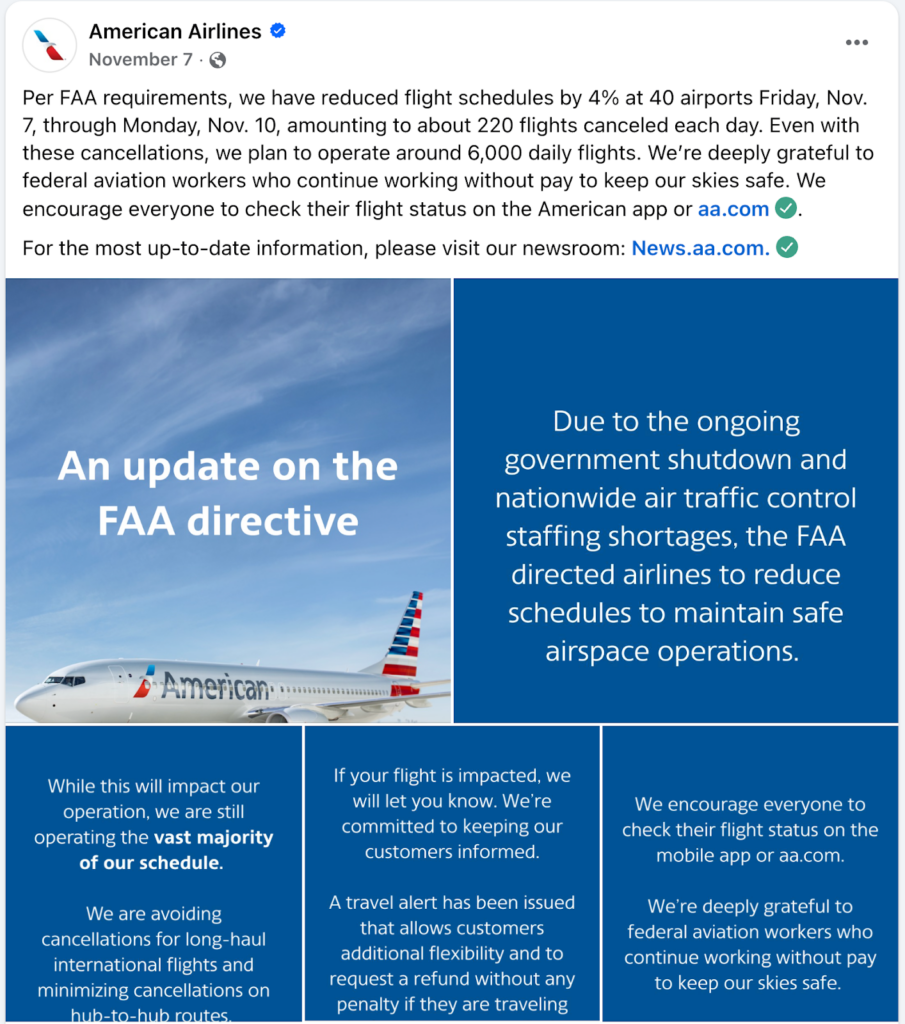
Think about internet service providers during outages, airlines during weather delays, or restaurants during food safety scares. These situations escalate quickly when customers turn to social media for answers. When they see dozens or hundreds of others posting similar complaints, the collective anger amplifies, making the situation feel even more urgent and unacceptable.
Missteps or Mistakes Made Publicly
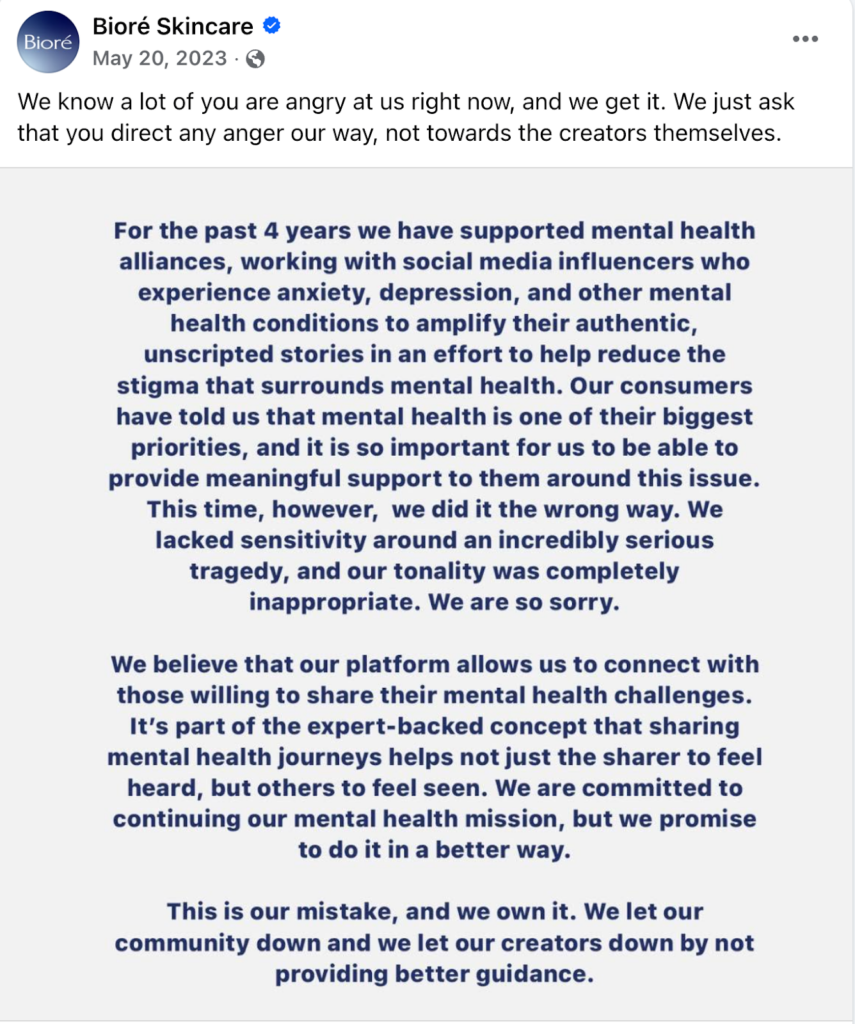
Public online missteps include posting insensitive content, accidentally sharing confidential information, running tone-deaf marketing campaigns, or having employees make problematic statements while their affiliation with your brand is visible on their profiles.
These social media crisis examples are particularly challenging because the mistake originates within your organization, so your brand must take responsibility, even though it wasn’t an official statement.
Examples include a clothing brand making light of a serious social issue, a restaurant posting content that offends a community, or a company employee sharing discriminatory views that are traced back to their employer. All of these require swift acknowledgment and clear action plans.
External Events Affecting Brand Perception
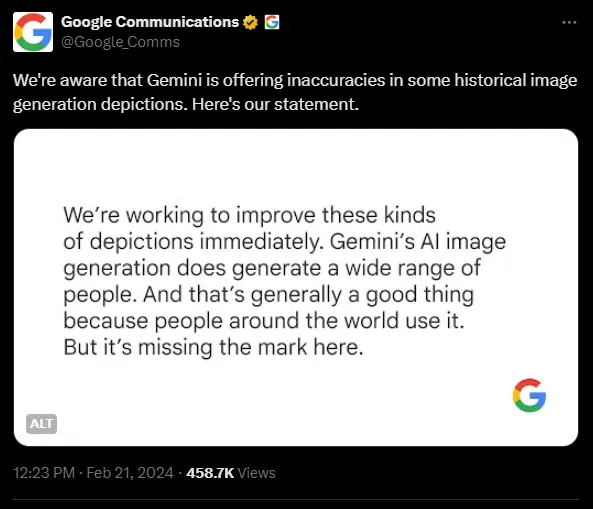
External events affecting brand perception happen when something happens in the outside world, like a natural disaster, political situation, cultural movement, or industry-wide scandal, that creates a context where your normal operations or past actions suddenly look inappropriate or insensitive, even if your intentions were never problematic.
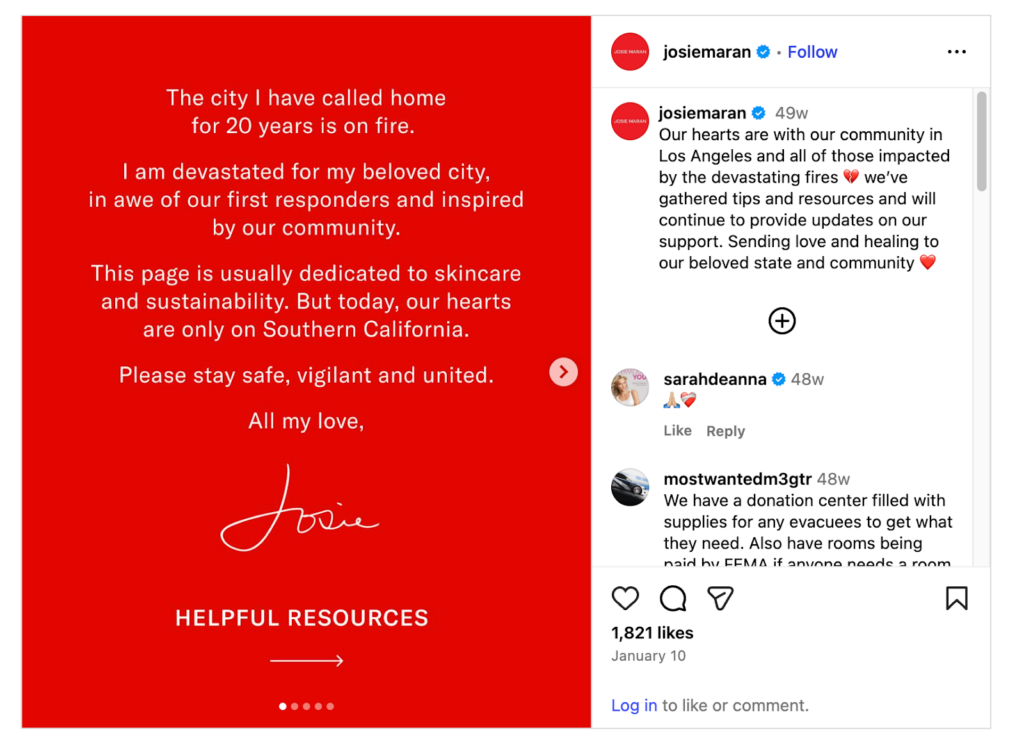
These situations require careful navigation because you’re responding not to something you did wrong but to how circumstances have changed the lens through which people view your brand.
The Core Stages of Crisis Management in Social Media
The best crisis management services start with understanding the five core states of crisis management.
Preparation
Preparation is the foundation of an effective crisis management strategy. It should involve creating a plan that outlines:
- Potential scenarios
- Response protocols
- Key stakeholders
- Approval processes
- Communication templates
During this stage, assign specific roles to team members so everyone knows exactly what they’re responsible for when a crisis hits. You’ll need to designate who:
- Monitors social channels
- Drafts responses
- Has approval authority
- Communicates with leadership
- Candles media inquiries if the situation escalates beyond social platforms
Identification
Identification means spotting early signals that something may be developing into a crisis rather than remaining a routine customer service issue.
Watch for patterns like rapidly increasing mention volume, negative sentiment spreading across multiple platforms, influencers or media outlets picking up the story, customers tagging friends to spread awareness, or conversations about your brand appearing in places where your audience doesn’t normally discuss you. Evaluate the severity of the issue by asking questions like:
- How many people are affected?
- Is the issue spreading or contained?
- Does it involve safety, legal, or ethical concerns?
- Are mainstream media showing interest?
- Is the conversation staying focused on one specific issue or branching into broader criticisms of your brand?
Your answers determine whether you need crisis management or social media control.
Response
The response stage is when you deliver clear communication with aligned messaging and timely updates, even though you’re under significant pressure.
Start by quickly acknowledging the situation, even if you don’t yet have all the answers. Silence can make people assume you don’t care or aren’t paying attention, while a simple “We’re aware of this issue and investigating” builds credibility and gives you time to gather facts.
Ensure all team members and departments use consistent messaging. The last thing you want is for customers to receive conflicting information based on the channel they use or the representative they speak with.
Provide regular updates as you learn more, even if they’re simply status reports confirming you’re still working on solutions. Maintaining communication reassures people that you’re actively engaged rather than hoping the problem disappears on its own.
Recovery
The next stage is recovery. This part focuses on monitoring how people are responding to your social media crisis management solutions, including:
- Paying attention to how audiences are actually reacting to your communications and actions
- Using social listening tools to track if negative sentiment is decreasing
- Following through on any promises you made during your response phase
You should continue addressing individual concerns that arise even after the initial wave passes. People who missed your crisis communications still deserve responses, and how you treat them demonstrates whether your crisis response was genuine or merely performative.
Post-Crisis Review
During the post-crisis review, bring your team together to analyze what happened, how you responded, what worked well, what could have gone better, and what changes you should make to your crisis management strategy.
Use what you’ve learned to update your crisis plan and refine your monitoring systems. You should treat every difficult situation as a learning opportunity to make your brand stronger.
Best Practices for Handling Crises Online
Concerned about how your brand will manage a social media crisis? Unfortunately, it’s not if but when. Use this list of best practices to help make it out in one piece:
- Act quickly but thoughtfully. Respond as soon as you can with an authentic, caring message while you take time to address the situation.
- Communicate transparently and honestly.
- Resist the urge to minimize legitimate concerns or blame someone else.
- Pause regular content to avoid accidentally posting cheerful promotional messages during a crisis.
- Use data to guide decisions by monitoring social media KPIs and metrics. This will remove some of the emotion and guesswork from crisis management, allowing you to make strategic decisions based on what’s actually happening.
How Rallio Supports Crisis Management
Designing a crisis management strategy can be challenging, but fortunately, you don’t have to start from scratch! Rallio can help you make the most of a bad situation with:

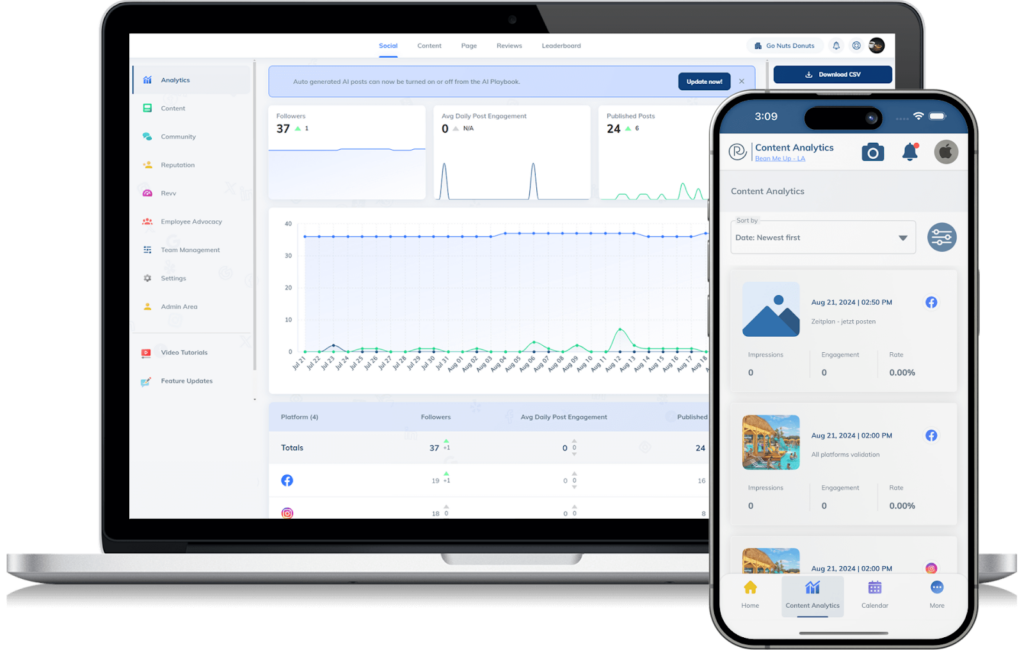
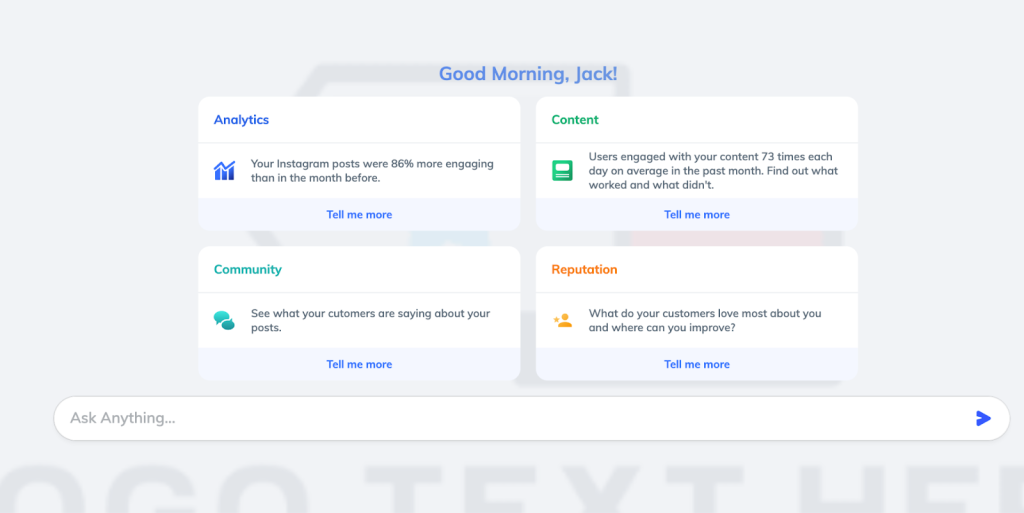
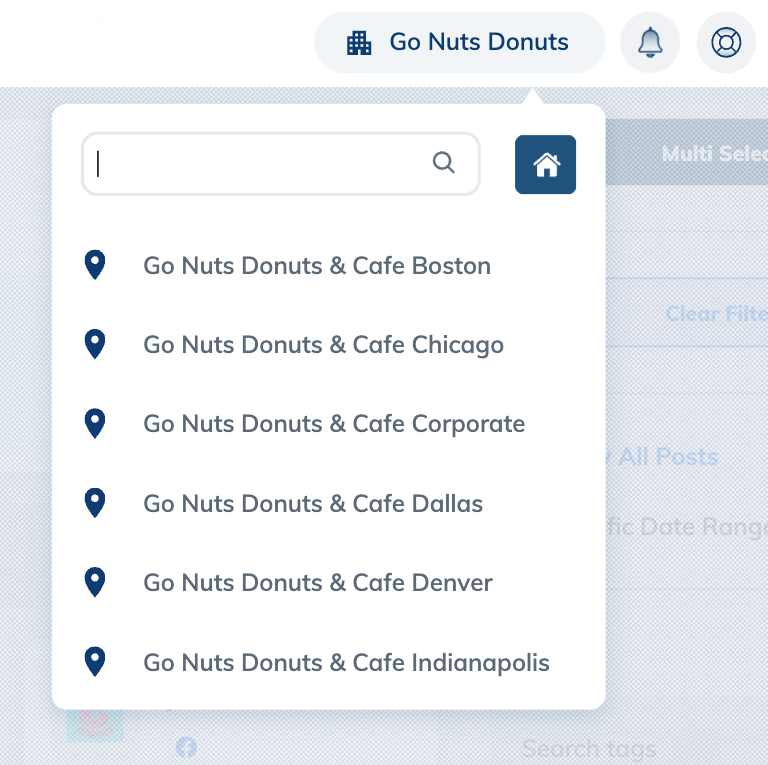
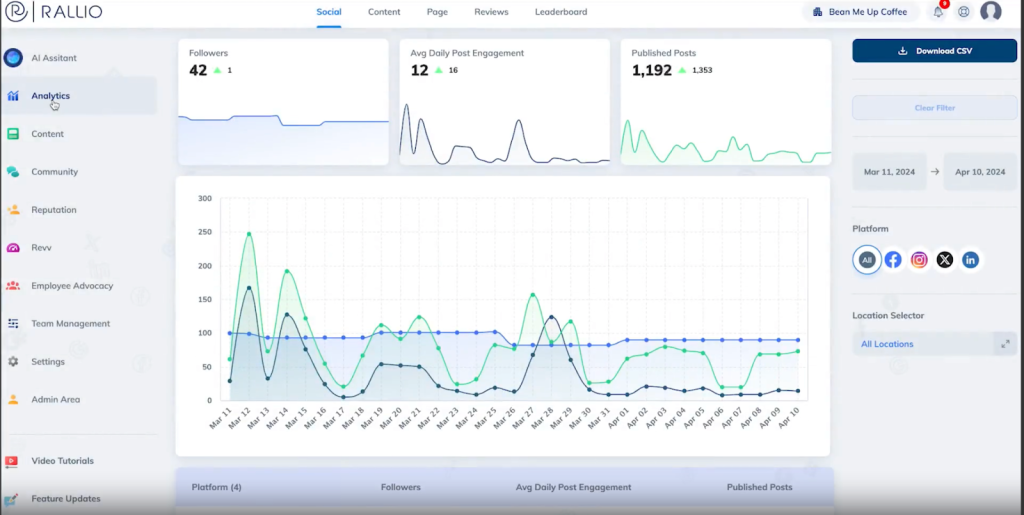
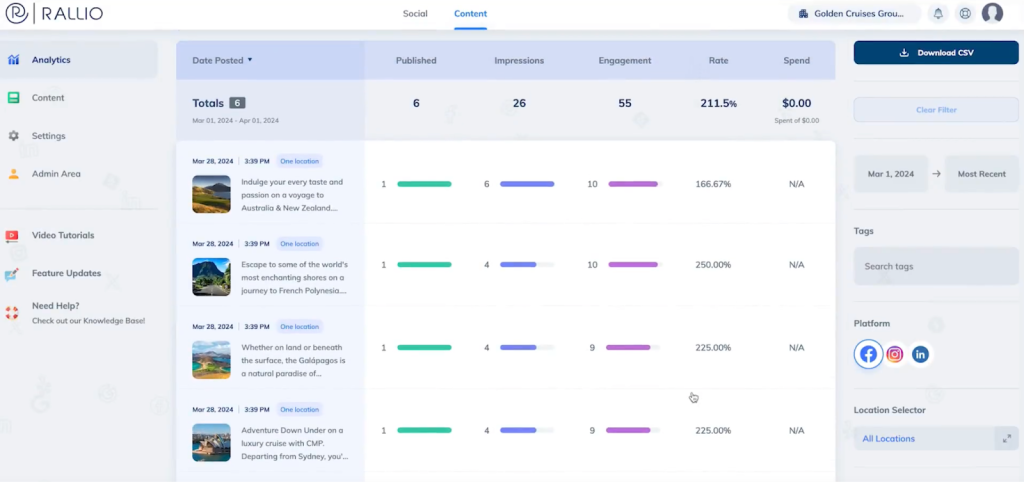
- Centralized dashboards that give you a complete view of all your social media activity across multiple platforms and locations from one unified interface.
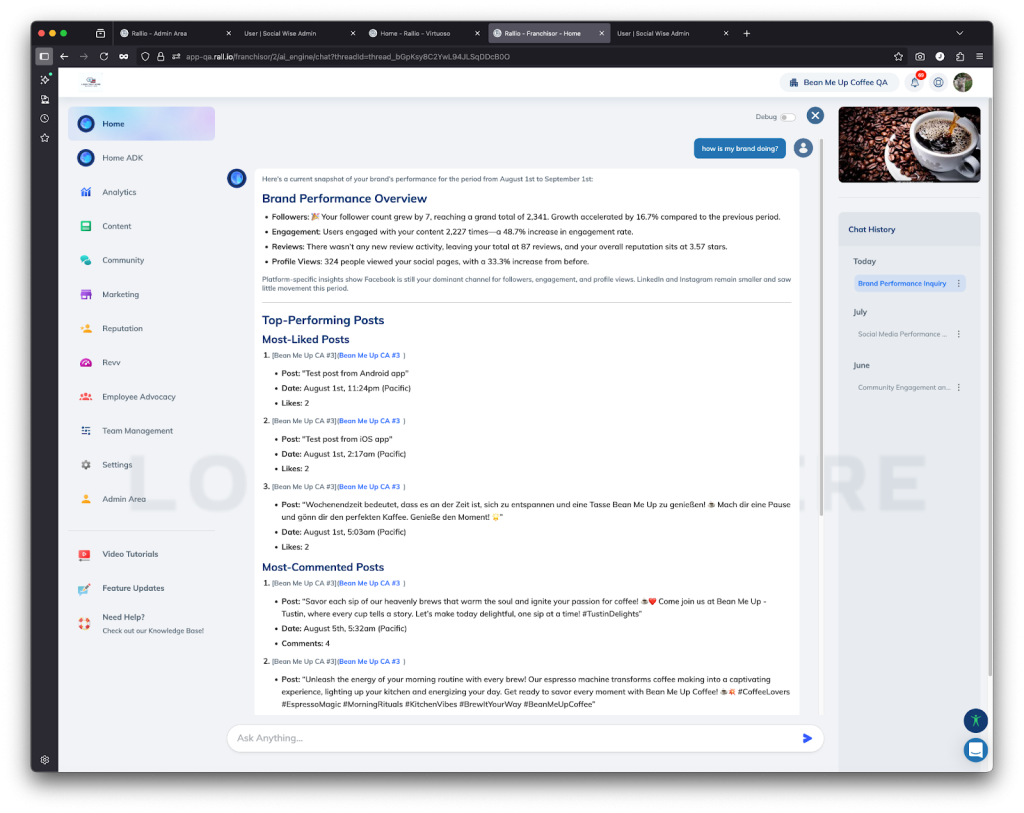
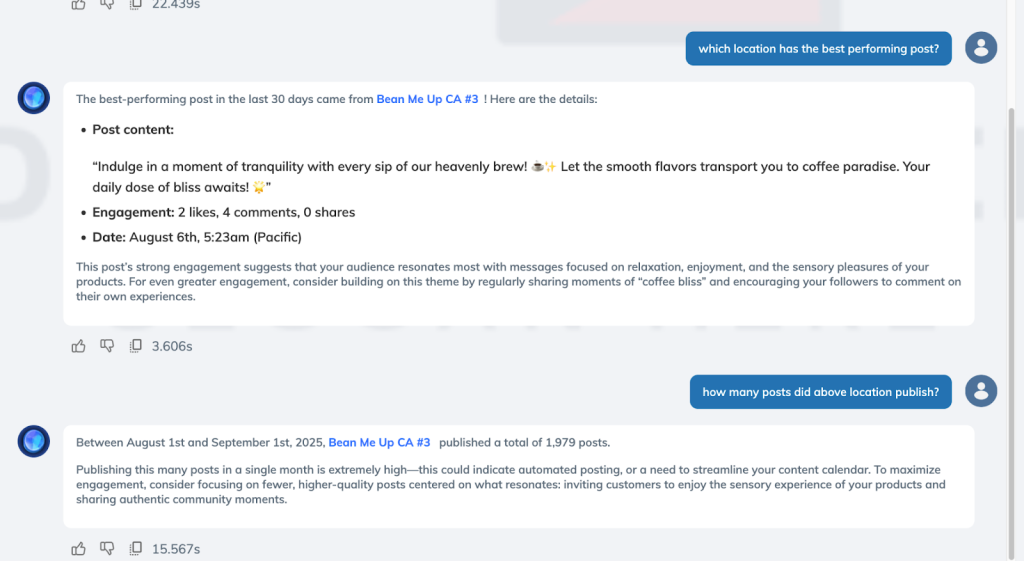
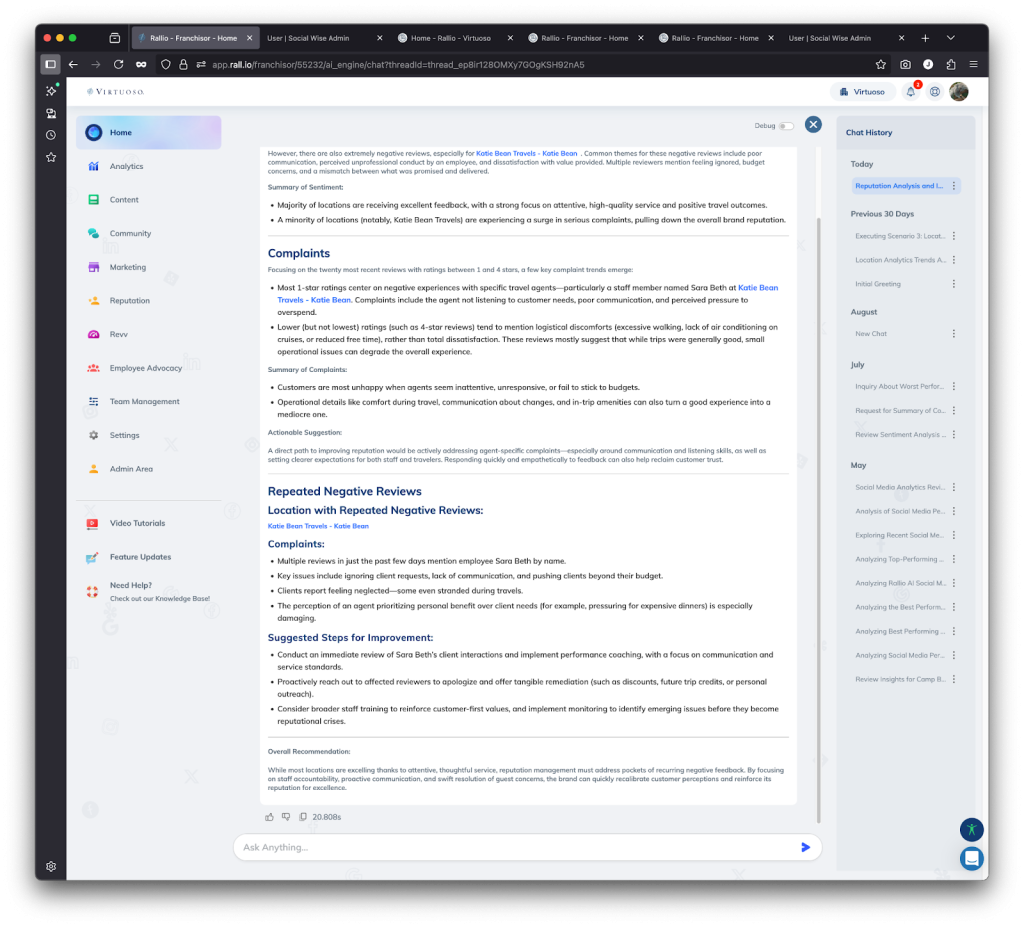
- Social monitoring to continuously track mentions, comments, messages, and reviews so you can identify potential issues before they explode into full crises, giving you valuable time to address problems when they’re still manageable.
- Streamlined response workflows to help your team respond faster and more consistently during high-pressure situations by providing templates, approval processes, and collaboration tools that keep everyone aligned and moving efficiently.
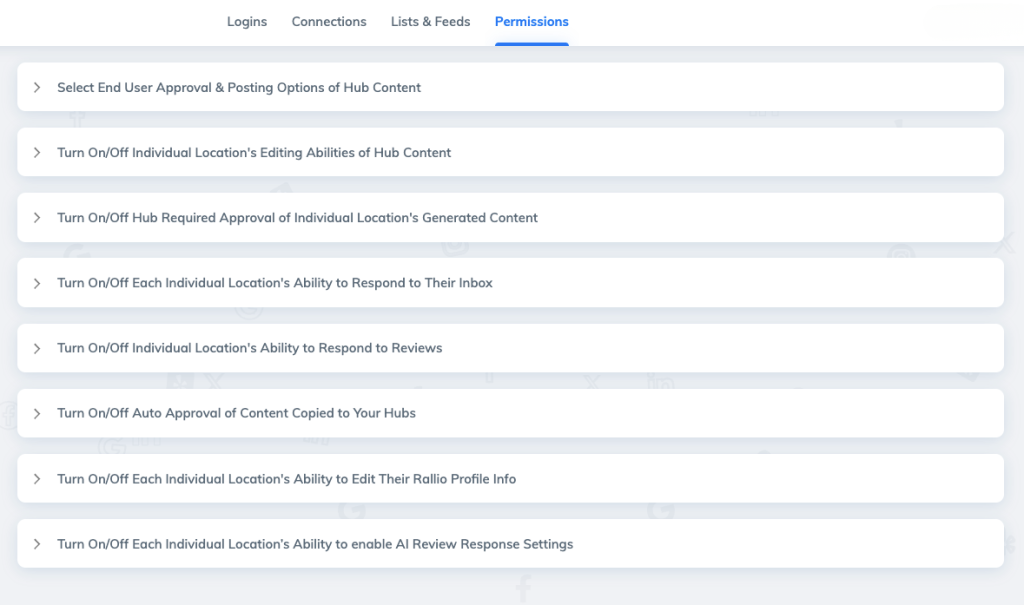
- Role assignments and approval paths mean the right people are involved in crisis decisions without creating bottlenecks that slow down your response times.
FAQs
1. What qualifies as a social media crisis?
A social media crisis is any situation on your social channels that threatens significant damage to your brand reputation, customer trust, or business operations and requires an immediate, coordinated response beyond regular customer service interactions.
2. How can brands tell the difference between a simple complaint and a real crisis?
Simple complaints are isolated incidents that can be resolved through standard customer service channels. Real crises involve multiple customers experiencing issues, rapidly spreading across platforms, increasing negative sentiment, attracting media or influencer attention, raising safety or ethical concerns, or a potential for viral spread that could reach audiences far beyond your existing followers.
3. What should a brand’s first step be when a crisis hits?
Your first step should be to acknowledge the situation publicly within an hour, if possible. Your initial response can be brief. Something like “We’re aware of this issue and are investigating now” or “We hear you and are working to understand what happened” will give you the time you need to gather facts, assess severity, and begin developing your more detailed response strategy.
4. How quickly should a brand respond during a crisis?
Speed is critical in social media crisis management because every hour of silence allows negative narratives to solidify and spread to broader audiences who may never see your eventual response. Try to put out a simple message as soon as possible, followed by a more detailed and thoughtful response a few hours later.
5. How can Rallio help manage or prevent social media crises?
Rallio’s continuous social monitoring will alert you to emerging issues before they spiral. During active crises, Rallio’s centralized dashboard lets you see the full scope across all your channels and locations, streamlined workflows help your team respond faster with consistent messaging, and role assignments ensure the right people are involved in decisions without creating approval bottlenecks.
Take Control of Your Social Media Management with Rallio
Whether you’re managing social media for one location or hundreds, having Rallio in your corner means you’re never facing a crisis alone or without the tools you need to handle it professionally and effectively.
Ready to take control of your social media management and sleep better knowing you’re prepared for whatever comes your way? Discover how Rallio can transform your approach to social media crisis management!

Courtney is the Associate Director of Client Services/Product at Rallio, Powered by Ignite Visibility. With over four years of experience in SaaS and more than a decade in customer support, she brings a customer-first approach to building strong, lasting partnerships. She leads a support team while managing key client relationships and serving as a bridge between customers and internal product and engineering teams. Her focus is on delivering measurable value, ensuring client satisfaction, identifying growth opportunities, and translating real customer needs into meaningful improvements for data-driven technology solutions.